
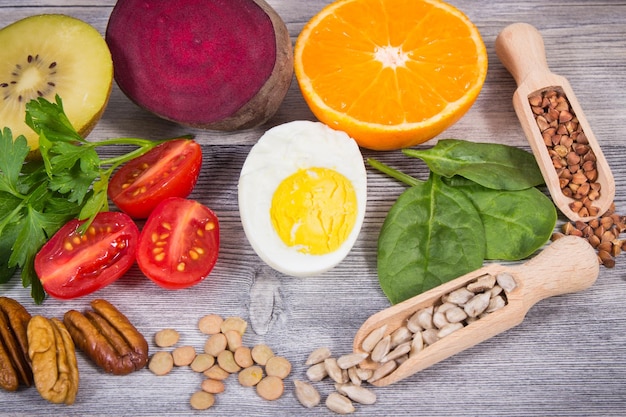
Introduction to Energy-Boosting Superfoods
As we gracefully enter our 40s, energy levels can ebb and flow more than they did in our younger years. While it’s a natural part of aging, there are ways to help sustain and even boost our vitality naturally. Incorporating certain nutrient-rich foods into your diet can be a simple yet powerful way to keep energy levels stable throughout the day.
The Power of Superfoods
“Superfoods” is a popular term for nutrient-dense foods that provide a high amount of vitamins, minerals, and antioxidants. These foods often come from natural sources and include a variety of fruits, vegetables, grains, and proteins that have been praised for their health-supporting properties.
Here’s a closer look at some superfoods that can help enhance your energy levels after 40:
Top 10 Energy-Boosting Superfoods
Avocados: These creamy delights are rich in healthy fats and fiber, helping to maintain steady energy levels throughout the day. They also provide essential nutrients like potassium and B-vitamins.
Nuts and Seeds: Almonds, walnuts, chia, and flaxseeds are excellent sources of protein, healthy fats, and fiber. These snacks can keep you feeling energized and satisfied between meals.
Spinach: Packed with iron, magnesium, and potassium, spinach supports muscle function and nerve transmissions, helping maintain energy.
Quinoa: This versatile grain is not only rich in protein but also contains all nine essential amino acids. Its high fiber content promotes prolonged energy release.
Blueberries: Known for their antioxidant content, blueberries can reduce oxidative stress and inflammation, contributing to overall vitality.
Oats: Oats are a classic energy-boosting breakfast choice. They provide a mix of complex carbohydrates, fiber, and protein that helps regulate blood sugar levels.
Sweet Potatoes: A great source of complex carbohydrates, fiber, and vitamins A and C, sweet potatoes provide a steady energy supply.
Salmon: Rich in omega-3 fatty acids and protein, salmon supports heart health and brain function, both important for sustaining energy.
Dark Chocolate: Containing natural caffeine and antioxidants, moderate amounts of dark chocolate can provide a quick energy lift.
Green Tea: Known for its gentle caffeine content and antioxidants, green tea can enhance alertness without the jitters associated with other caffeinated beverages.
Benefits Beyond Energy
These superfoods don’t just contribute to energy levels; they also offer numerous other benefits. For example, nuts and seeds are known for supporting heart health, while green tea has been linked to improved metabolic function.
Moreover, incorporating a variety of these foods supports overall health, which is particularly important as our bodies transition through different life stages. Focusing on a balanced diet that includes these energy-boosting foods can result in a more vibrant lifestyle.
Practical Tips for Incorporating Superfoods
Adding these superfoods to your daily routine doesn’t have to be complex. Here are a few practical tips:
Add a handful of spinach to your morning smoothie for an extra nutrient punch.
Top your oatmeal with fresh blueberries and a sprinkle of chia seeds for a filling breakfast.
Enjoy avocado on whole-grain toast or as a salad topping.
Include salmon in your weekly dinner rotation for a savory and satisfying meal.
Replace sugary snacks with a small piece of dark chocolate or a handful of almonds to curb cravings.
Takeaway
Enhancing your energy levels after 40 is within reach through simple dietary adjustments. By integrating these superfoods into your meals, you may find yourself feeling more energized and engaged in daily activities. Remember, a variety of nutrients can support your lifestyle, so enjoy experimenting with these foods as part of a balanced diet.
Sources
The information presented is grounded in nutritional science and food studies that underscore the benefits of a diverse and balanced diet. For personalized advice, consider consulting a nutritionist or healthcare provider.

