
Introduction
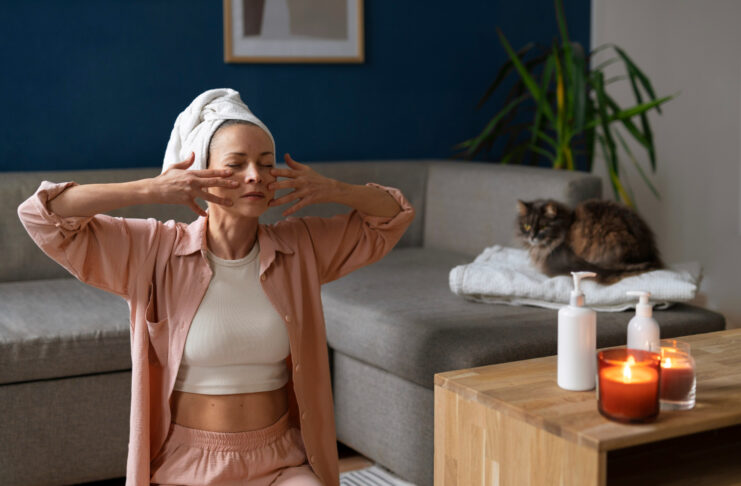
Facial tension often reflects internal stress. The jaw tightens, the forehead creases, and the eyes narrow—sometimes without conscious awareness. Over time, daily stress patterns can make facial muscles feel tight or strained. Practicing daily calm helps the nervous system shift into a relaxed state, allowing facial muscles to soften naturally. Understanding how daily calm supports facial relaxation highlights the connection between emotional balance and outward appearance.
Stress Activates Facial Muscles
When the body feels stressed:
Jaw muscles may clench
Forehead muscles tighten
Brows draw inward
Repeated tension can make the face appear strained.
Calm Activates the “Rest and Relax” Response
When you practice calm routines:
Breathing slows
Muscle tension decreases
The nervous system settles
This allows facial muscles to release naturally.
Reduced Jaw Tension
The jaw often holds hidden stress.
Calm breathing reduces clenching
Relaxation softens the lower face
Less tension supports smoother expression
Jaw relaxation significantly changes overall facial appearance.
Softer Forehead and Eye Area
Stress commonly shows around the eyes.
Calm reduces brow tightening
Eye muscles relax
Expression becomes more open
A relaxed eye area contributes to a fresher look.
Improved Circulation
Calm supports balanced blood flow.
Better oxygen delivery to facial tissues
Reduced redness linked to stress
More even skin tone
Relaxation supports a naturally refreshed appearance.
Better Sleep, Better Facial Recovery
Daily calm often improves sleep quality.
Sleep supports overnight muscle recovery
Reduced tension prevents morning tightness
Rested features appear softer
Evening wind‑down routines amplify this effect.
Simple Ways to Practice Daily Calm
Slow breathing for 3–5 minutes
Gentle facial stretching
Short mindful breaks
Limiting overstimulation
Maintaining consistent sleep routines
Small daily habits prevent tension buildup.
Long‑Term Effects on Expression
Consistent calm can:
Reduce habitual tension patterns
Encourage neutral, relaxed expressions
Support smoother facial movement
Over time, the face reflects internal balance.
Takeaway: Relaxation Reflects Outwardly
Daily calm supports facial relaxation by reducing muscle tension, improving circulation, and activating the body’s restorative systems. When stress decreases, facial features naturally soften—leading to a more open, refreshed appearance. By building small calm moments into your daily routine, you help your face reflect the steadiness you cultivate within.

