
Introduction
Restful sleep is often described as the foundation of good health—but it also plays a powerful role in how your skin looks and feels. While skincare products can support hydration and texture, true radiance often begins overnight. During sleep, the body activates repair processes that influence circulation, hydration balance, and overall skin vitality.
If you’ve ever noticed dullness or tired-looking skin after a poor night’s rest, you’ve experienced this connection firsthand. Sleep supports hormone regulation, stress balance, and cellular renewal—all of which affect the skin’s natural glow. Understanding how restful sleep shapes skin health can help you approach beauty from a more holistic, sustainable perspective.
Skin Repair Happens Overnight
Sleep is a restorative state. During deeper stages of sleep, the body supports tissue renewal and recovery processes.
According to the National Institutes of Health (NIH), sleep plays a critical role in physical restoration and immune function. While you rest, the skin works to:
Support cellular renewal
Maintain hydration balance
Strengthen the skin barrier
Regulate inflammatory responses
When sleep is consistent and uninterrupted, these natural repair mechanisms function more efficiently, helping skin appear smoother and more refreshed.
Sleep and Collagen Support
Collagen is a structural protein that contributes to skin firmness and elasticity. While collagen production occurs continuously, adequate sleep helps regulate hormones that influence tissue maintenance.
The Harvard Health Publishing explains that sleep affects hormone balance and stress regulation. When sleep is disrupted, elevated stress hormones may influence skin texture over time.
Restful sleep may support:
Improved skin resilience
Smoother texture
Balanced tone
Reduced visible fatigue
Although skincare products can complement this process, restorative sleep provides internal support that topical treatments alone cannot replace.
Stress Reduction and Complexion Clarity
Sleep and stress are closely connected. Insufficient sleep may elevate stress levels, which in turn can affect the skin.
The Centers for Disease Control and Prevention (CDC) highlights that adequate sleep supports both mental and physical health. Chronic stress may influence inflammation levels in the body, potentially affecting skin appearance.
When sleep quality improves, you may notice:
A calmer-looking complexion
More even skin tone
Reduced dullness
Greater overall brightness
Balanced stress responses often reflect positively on skin vitality.
Hydration and Overnight Balance
The skin barrier helps retain moisture and protect against environmental stressors. During restful sleep, the body helps regulate fluid balance and barrier repair.
The Mayo Clinic emphasizes the importance of maintaining healthy sleep patterns for overall well-being. When sleep is consistent, the skin may better maintain:
Natural hydration levels
Smooth texture
Comfortable, less tight feeling
Balanced oil production
Waking up with plumper, more refreshed-looking skin is often linked to quality rest.
Circulation and Natural Glow
During sleep, blood flow patterns support repair and nutrient delivery. Improved circulation ensures that oxygen and nutrients reach skin cells effectively.
The World Health Organization (WHO) underscores that healthy lifestyle factors—including adequate sleep—support overall physical health.
Healthy circulation during sleep may contribute to:
Subtle natural glow
Even complexion
Reduced appearance of fatigue
Healthier-looking tone
When the body is well-rested, the skin often reflects that internal balance.
Habits That Support Restful Sleep
Improving sleep quality doesn’t require extreme changes. Small adjustments can promote deeper rest.
Consider:
Maintaining consistent sleep and wake times
Limiting screen exposure before bed
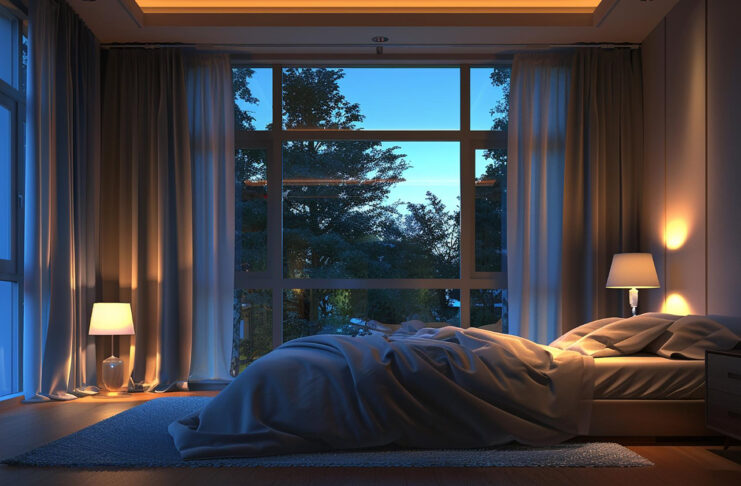
Creating a dark, quiet sleeping environment
Avoiding heavy late-night meals
Practicing calming bedtime rituals
These supportive habits encourage restorative sleep, which may enhance both emotional balance and skin appearance.
Takeaway
Restful sleep plays a meaningful role in maintaining healthy-looking skin. Overnight, the body supports cellular renewal, hydration balance, hormone regulation, and circulation—all of which influence natural glow. When sleep is disrupted, stress responses and fatigue may subtly affect skin tone and texture.
Rather than focusing solely on external skincare, consider prioritizing consistent, high-quality rest. By nurturing healthy sleep patterns, you provide your skin with internal support that enhances resilience and radiance over time. True beauty often begins with the quiet restoration that happens while you sleep.

