
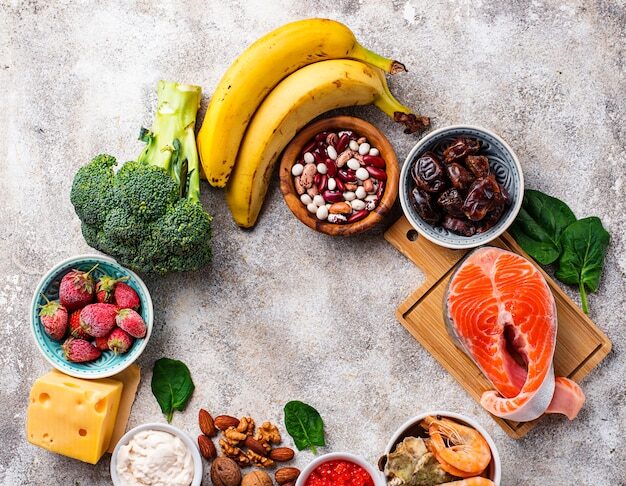
Embracing Anti-Inflammatory Foods
As we age, prioritizing a lifestyle that supports our overall health becomes increasingly important. For adults over 40, incorporating anti-inflammatory foods into the diet can offer various benefits, contributing to a healthier and more vibrant life. While inflammation isn’t always a bad thingâ??serving as a natural immune responseâ??chronic inflammation can lead to many health issues. Let’s look at some foods known for their anti-inflammatory properties and discover how they can enrich your well-being.
The Power of Berries
Berries are small but mighty in the world of nutritious foods. Rich in antioxidants and vitamins, these colorful fruits can help combat inflammation naturally. Blueberries, strawberries, and raspberries are particularly beneficial. These berries contain compounds called anthocyanins, which are known to reduce inflammation markers in the body.
Blueberries: An excellent source of vitamin C and K, blueberries can be a delightful snack or a flavorful addition to breakfast cereals or yogurts.
Strawberries: These juicy berries are high in fiber and are a tasty way to get a dose of inflammation-fighting nutrients.
Raspberries: With their tart flavor, raspberries are packed with antioxidants that may help reduce oxidative stress.
Spice Up with Turmeric
Turmeric, often associated with its vibrant yellow color, is a spice with a long history in both culinary and medicinal traditions. The active compound in turmeric, curcumin, has been studied for its potential anti-inflammatory effects. Adding turmeric to dishes such as curries, soups, or even smoothies could be a flavorful approach to support inflammation management.
When using turmeric, combining it with black pepper may enhance absorption, maximizing its beneficial properties. The addition of this spice to your cooking not only enhances flavor but also introduces a tool in your culinary arsenal for combating inflammation.
Leafy Greens: A Nutrient Powerhouse
Leafy greens like spinach, kale, and Swiss chard are often touted as superfoods due to their rich nutritional profiles. Packed with antioxidants, vitamins, and minerals, these greens can play a crucial role in an anti-inflammatory diet. Their high content of vitamin K and other powerful antioxidants can help protect cells from damage.
Spinach: An adaptable addition to salads, smoothies, or sautés, spinach is a versatile way to boost your intake of essential nutrients.
Kale: Known for its robust taste, kale can be enjoyed raw, steamed, or even as crispy snacks.
Swiss Chard: With a slightly bitter taste, Swiss chard can be paired with garlic and lemon for a nutritious side dish.
Walnuts: A Crunchy Health Boost
Nuts, particularly walnuts, are an excellent snack option with anti-inflammatory benefits. Walnuts are rich in omega-3 fatty acids, which are known to help manage inflammation levels in the body. Moreover, they contain fiber and a variety of nutrients, promoting overall health.
A handful of walnuts can be a convenient snack on the go, or they can be added to salads, oatmeal, or baked goods. Remember, moderation is key since nuts are calorie-dense.
Enjoying Fatty Fish
Fatty fish, such as salmon, mackerel, and sardines, are well-regarded for their high omega-3 content. These healthy fats are key to supporting heart health and managing inflammation. Regular consumption of these types of fish can be part of a balanced diet that promotes overall wellness.
Incorporating fatty fish into your meals a couple of times a week can provide a delicious variety, whether grilled, broiled, or baked. If you’re not a fan of fish, fish oil supplements could be an alternative to consult about with a healthcare provider.
Takeaway
Incorporating anti-inflammatory foods into your diet can be a delightful and fulfilling approach to enhancing your nutrition and supporting your health. The options are endless and can easily fit into a variety of meals and ingredients you may already enjoy. Remember, a well-balanced diet that includes a diverse range of foods can be instrumental in nurturing long-term health. As always, consider discussing dietary changes with a healthcare provider to ensure it aligns with your personal health goals and needs.
Sources
Johnson, M. (2022). Antioxidants and their role in managing inflammation. Health and Wellness Journal.
Smith, A. (2021). The benefits of omega-3 fatty acids in diet. Nutrition & Health.
Brown, T. (2020). Turmeric and curcumin: culinary uses and health implications. Foods of the World.
Davis, R. (2021). The complete guide to leafy greens. Green Living Today.

