
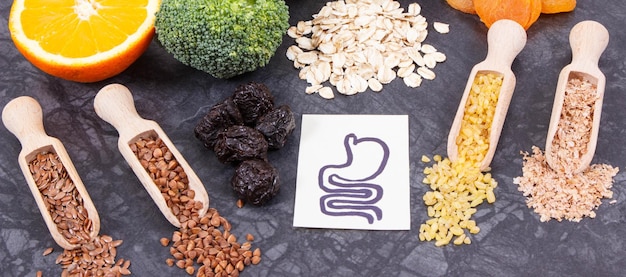
Understanding Dietary Fiber
As we age, maintaining digestive health becomes increasingly important. A key element in promoting a healthy digestive system is dietary fiber, which is a type of carbohydrate that the body cannot digest. Unlike other carbs that break down into glucose, fiber passes through the body relatively intact, aiding in the regulation of the digestive system.
There are two types of dietary fiber: soluble and insoluble. Soluble fiber dissolves in water to form a gel-like material, which can help lower blood cholesterol and glucose levels. Insoluble fiber helps move material through your digestive system and increases stool bulk, making it beneficial for those who struggle with constipation or irregular stools.
Benefits of Fiber for Digestive Health
Regular fiber intake plays a vital role in maintaining the overall health of the digestive tract. Here are some ways fiber benefits digestive health:
Enhancing Bowel Movement Regularity: Insoluble fiber increases the bulk and softness of stool, encouraging regular bowel movements and reducing the risk of constipation.
Supporting Gut Bacteria: Soluble fiber serves as a prebiotic, feeding the friendly bacteria in your gut and supporting a balanced microbiome essential for digestion and overall health.
Reducing Digestive Disorders: A diet rich in high-fiber foods can help prevent various digestive issues, such as diverticulosis, by decreasing the pressure in the intestinal tract.
Incorporating Fiber into Your Diet
Incorporating an adequate amount of fiber into your diet doesn’t have to be a daunting task. Here are some simple tips to get started:
Choose Whole Grains: Opt for whole grain bread, pasta, and rice instead of refined versions. Whole grains are an excellent source of insoluble fiber.
Add Fruits and Vegetables: Fruits like apples, bananas, and oranges, as well as vegetables such as carrots, spinach, and broccoli, are rich in both soluble and insoluble fibers. Try adding a piece of fruit to breakfast or lunch for an easy fiber boost.
Donâ??t Forget Legumes: Beans, lentils, and chickpeas are fiber powerhouses. Toss them into salads, soups, or pasta dishes to increase your fiber intake.
Snack on Nuts and Seeds: A handful of almonds, sunflower seeds, or chia seeds can provide a significant fiber boost.
Considerations for Increasing Fiber Intake
While increasing fiber intake is beneficial, it’s essential to make these changes gradually. Sudden increases can lead to digestive discomfort, such as bloating or gas. Here are some considerations:
Increase Slowly: Gradually introduce fiber-rich foods into your diet to give your digestive system time to adjust.
Stay Hydrated: Drink plenty of water to help fiber pass smoothly through your digestive system. Adequate hydration can prevent potential issues associated with increased fiber intake.
Monitoring Fiber Intake
Keeping track of how much fiber you consume can help ensure that you meet recommended daily intakes. Women over 50 should aim for 21 grams per day, while men over 50 should target 30 grams. If you’re unsure whether you’re consuming enough fiber, consider keeping a food diary for a week or two. This will help you make informed dietary choices and adjust as needed.
Takeaway
Adding fiber-rich foods to your diet is a simple yet effective strategy for promoting digestive health, especially as we age. By understanding the benefits and gradually incorporating more fiber into meals, you can support a healthy digestive system and overall well-being. Remember to make incremental changes and stay hydrated to reap the maximum benefits of dietary fiber.
Sources
National Institutes of Health – Dietary Fiber: Essential for a Healthy Diet
Mayo Clinic – Dietary Fiber: Essential for a Healthy Diet
Harvard T.H. Chan School of Public Health – Carbohydrates

