
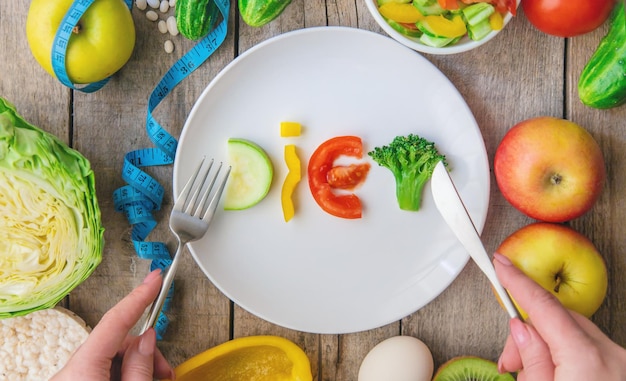
Introduction to a Balanced Plate
As we age, focusing on balanced nutrition becomes increasingly important. A balanced plate isn’t just about portion sizes but also ensuring a diet rich in diverse nutrients. A well-rounded diet can support overall health, energy levels, and well-being. The idea is to create a colorful plate that is both nutritious and satisfying.
The Key Components of a Balanced Plate
Building a balanced plate involves understanding the key food groups and ensuring they are represented in every meal. Here are the main components to consider:
Fruits and Vegetables: Aim to fill half of your plate with a variety of fruits and vegetables. These provide essential vitamins, minerals, and fiber, which are vital for digestive health and immunity.
Whole Grains: Choose whole grains over refined grains. Whole grains such as brown rice, quinoa, and whole wheat bread offer more fiber and nutrients.
Proteins: Include a source of lean protein such as chicken, fish, beans, or tofu. Protein is crucial for muscle maintenance and repair.
Dairy or Dairy Alternatives: Consider low-fat dairy options or fortified plant-based alternatives to support bone health and provide calcium.
Healthy Fats: Incorporate small amounts of healthy fats, such as those from avocados, nuts, and olive oil, which support heart health.
Portion Control and Mindful Eating
While ensuring nutritional diversity, it’s also important to manage portion sizes. Larger portions can lead to increased calorie intake and can affect weight management. Here are some tips to help with portion control:
Use smaller plates and bowls to help control serving sizes.
Listen to your body’s hunger cues and eat slowly to avoid overeating.
Try to avoid distractions like television or devices during meals to focus on mindful eating.
Meal Planning for Success
Planning meals in advance can make building a balanced plate easier and more sustainable. Consider preparing a weekly menu that includes a variety of foods from all food groups. Here’s how you can get started:
Create a shopping list based on your meal plan to ensure you have all the ingredients you need.
Prepare ingredients in bulk, such as chopping vegetables or cooking grains, to save time during the week.
Store meals in portions to ensure easy access to balanced meals at home or on the go.
Staying Hydrated
Hydration is an often overlooked, yet crucial, element of a balanced diet. Water supports various bodily functions and may also aid in managing hunger levels. Aim for at least 8 cups of water a day, adjusting for activity level and climate. You can also include herbal teas and water-rich foods like cucumbers and melons.
Takeaway
Creating a balanced plate involves more than just separating food groups. Itâ??s about making informed choices that contribute to lifelong health and wellness. By focusing on variety, portion sizes, and hydration, you can create a foundation for a nourishing diet that supports you as you age. Remember, small, gradual changes can lead to lasting habits.
Sources
For further information on creating a balanced diet and maintaining nutritional health, consider exploring reputable resources such as the USDAâ??s dietary guidelines or connecting with a registered dietitian.

