
Wednesday, March 18, 2026

Creating Valuable Content

Supporting Collagen Naturally

Introduction

Collagen is key protein that helps maintain the skin’s firmness, elasticity, and structureAs we age, collagen production gradually declines, which can lead to fine lines, sagging, and reduced skin resilience.

While this process is natural, certain lifestyle habits and nutrients can help support collagen production and maintain healthier skin over time.


What Is Collagen and Why It Matters

Collagen is the most abundant protein in the body and is found in the skin, bones, and connective tissues. It acts like framework that keeps the skin firm and smooth.

According to the National Institutes of Healthcollagen plays an essential role in maintaining skin structure and overall tissue health.

As collagen levels decline, the skin may become:

  • Less firm

  • More prone to wrinkles

  • Thinner and less elastic


Eat Nutrient‑Rich Foods

Nutrition plays major role in supporting collagen production.

Key nutrients include:

  • Vitamin C – essential for collagen synthesis

  • Protein – provides amino acids needed to build collagen

  • Zinc and copper – support tissue repair

  • Antioxidants – protect collagen from damage

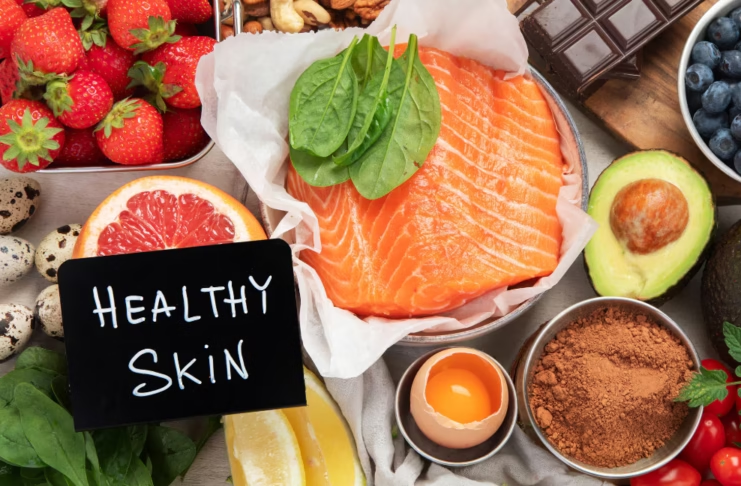
Foods that support collagen include:

  • Citrus fruits, berries, and bell peppers

  • Eggs, fish, and legumes

  • Nuts and seeds

  • Leafy green vegetables

The Harvard Health Publishing highlights the importance of balanced nutrition for skin health.


Protect Skin from Sun Damage

Excessive sun exposure is one of the biggest factors that breaks down collagen in the skin.

The Centers for Disease Control and Prevention recommends daily sun protection to reduce UV‑related skin damage.

Helpful habits include:

  • Using broad‑spectrum sunscreen (SPF 30+)

  • Wearing protective clothing

  • Avoiding prolonged sun exposure

Protecting the skin helps preserve existing collagen.


Stay Hydrated

Hydration supports skin structure and elasticity. While water does not directly create collagen, it helps maintain the environment needed for healthy skin function.

Simple habits:

  • Drink water regularly

  • Eat water‑rich foods like fruits and vegetables

Well‑hydrated skin tends to appear smoother and more resilient.


Prioritize Sleep and Recovery

During sleep, the body repairs and regenerates tissues, including the skin.

The Sleep Foundation notes that quality sleep supports overall recovery and cellular repair processes.

Consistent sleep may help:

  • Support skin renewal

  • Maintain hormone balance

  • Improve overall skin appearance


Manage Stress Levels

Chronic stress can increase cortisol, which may affect skin health and accelerate collagen breakdown.

The National Institute of Mental Health explains that long‑term stress impacts overall physical health.

Helpful stress‑management habits include:

  • Meditation or deep breathing

  • Regular physical activity

  • Spending time outdoors

  • Engaging in relaxing activities

Takeaway

Collagen naturally declines with age, but healthy habits can help support its production and protect existing levels. nutrient‑rich diet, sun protection, proper hydration, quality sleep, and stress management all play important roles in maintaining skin firmness and resilience.

By focusing on consistent, supportive habits, it is possible to promote healthier, stronger skin over time.


Sources

Share Post

Related Articles

Metabolism After 50 Explained

Introduction As people move into their 50s, many notice changes in weight, energy levels, and how their body responds to food and exercise. These changes are often linked to metabolism, the process by which the body converts food into energy. While metabolism naturally slows with age, understanding why this happens can help you take simple steps to support energy, strength, and overall health.What Is Metabolism? Metabolism refers to all the chemical processes that keep the body functioning, including: Converting food into energy Supporting breathing and circulation Repairing cells Regulating body temperatureAccording to the National Institutes of Health, metabolism is influenced by age, body composition, activity level, and genetics.Why Metabolism Slows After 50 Several natural changes contribute to a slower metabolism with age.Loss of Muscle Mass Muscle tissue burns more calories than fat, even at rest. After age 50, muscle mass tends to decline, which can reduce calorie burning.Hormonal Changes Hormones such as estrogen and testosterone play a role in metabolism. As these levels decline, the body may store fat more easily and burn energy more slowly.Reduced Physical Activity Lifestyle changes may lead to less daily movement, which can further slow metabolic rate.Changes in Energy and Weight A slower metabolism may lead to: Reduced energy levels Gradual weight gain Increased fat storage, especially around the abdomen Slower recovery after physical activityThe National Institute on Aging notes that these changes are a normal part of aging but can be managed with healthy habits.Supporting Metabolism After 50 Although metabolism naturally slows, certain habits can help support it.Stay Physically Active Regular movement helps maintain muscle mass and improve energy use. Helpful activities include: Strength training Walking or light cardio Stretching or yogaThe Centers for Disease Control and Prevention recommends consistent physical activity for metabolic and overall health.https://youtu.be/TSxafx_j59k Eat Balanced Meals Nutrition plays a key role in metabolic health. Focus on: Protein to support muscle maintenance...

Integrating Mindfulness for Everyday Activity

Integrating mindfulness into everyday activities can significantly enhance your quality of life and promote longevity. Discover practical routines to seamlessly weave mindfulness into your daily schedule.

Spring Beauty Routine Simplified

Introduction Spring is the perfect time to simplify your beauty routine. After winter, skin and hair often need hydration, balance, and gentle care—not heavy products or complicated steps. A simplified routine focuses on consistency and essentials, helping you achieve healthy, glowing results with less effort.Gentle Cleansing Start with a mild cleanser to remove dirt, oil, and buildup without stripping the skin. According to the American Academy of Dermatology, gentle cleansing helps maintain the skin’s natural barrier. Keep it simple: Cleanse twice daily Use lukewarm water Avoid harsh or overly foaming productsLightweight Hydration As temperatures rise, switch to lighter moisturizers that hydrate without feeling heavy. Look for ingredients like: Hyaluronic acid Glycerin Aloe veraThe Harvard Health Publishing highlights hydration as key to healthy skin appearance.Daily Sun Protection Sun exposure increases in spring, making sunscreen essential. The Centers for Disease Control and Prevention recommends using broad‑spectrum SPF 30+ daily. Simple habit: Apply sunscreen every morning Reapply if outdoors for long periodshttps://youtu.be/IKjdeP_mARI Minimal Makeup Approach Let your skin breathe by using lighter makeup. Try: Tinted moisturizer or BB cream Light concealer where needed Lip balm or subtle tintThis enhances your natural glow instead of covering it.Weekly Gentle Exfoliation Exfoliate 1–2 times per week to remove dead skin cells and refresh your complexion. Choose mild exfoliants Avoid over‑exfoliating...