
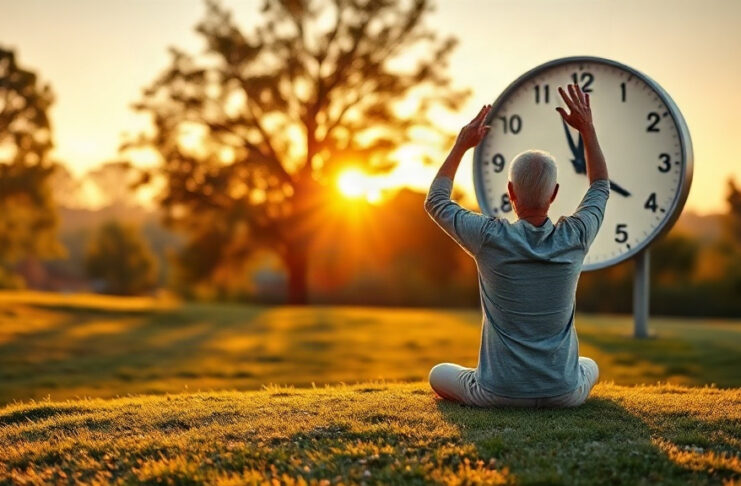
Unlocking the Clock
In the quest for longevity, the secret may lie not just in what we do, but when we do it. Our bodies are governed by intricate biological systems, and among the most essential is the circadian rhythm—our internal clock that dictates the rhythm of life itself. Recent research suggests that these daily cycles play a pivotal role in aging, influencing everything from cellular repair to hormonal balance. As we unravel the mysteries of longevity, the impact of circadian rhythms emerges as a compelling frontier.
The Biological Timekeepers
At the heart of our circadian rhythms are the suprachiasmatic nuclei (SCN), small structures nestled in the brain that act as master timekeepers. These nuclei synchronize with external cues like light and temperature, orchestrating a symphony of biological processes. As we age, the precision of these rhythms can falter, leading to disruptions in sleep patterns, metabolic processes, and even DNA repair mechanisms. Studies indicate that these disruptions can accelerate aging and contribute to age-related diseases such as Alzheimer’s and cardiovascular disorders.
On a cellular level, circadian rhythms regulate the expression of genes involved in cell cycle control, DNA damage response, and oxidative stress. By modulating these pathways, the circadian clock helps maintain cellular homeostasis, a critical factor in longevity. Disruptions to this clock, whether through shift work, travel across time zones, or irregular sleep patterns, can tip the balance towards cellular aging and dysfunction.
Aligning with Time
Harnessing the power of circadian rhythms for longevity involves aligning our daily activities with our natural biological clock. Here are practical steps to consider:
- Consistency is Key: Maintain a regular sleep schedule, going to bed and waking up at the same time every day, even on weekends.
- Embrace Morning Light: Exposure to natural light in the morning helps reset your circadian clock, promoting alertness and mood regulation.
- Mind Your Meals: Align meal times with daylight hours to support metabolic efficiency and balance.
- Exercise Wisely: Engage in physical activity during daylight to synchronize your energy levels and improve sleep quality.
- Limit Evening Light: Reduce exposure to artificial light, especially blue light from screens, in the evening to avoid disrupting melatonin production.
Fueling the Clock
The interplay between nutrition and circadian rhythms is a burgeoning area of research, emphasizing that when we eat is as crucial as what we eat. Nutrient timing can enhance or hinder the body’s natural rhythms. For instance, consuming a protein-rich breakfast can jumpstart your metabolism, while avoiding late-night snacks can prevent disruptions in glucose metabolism. Additionally, incorporating foods rich in antioxidants, like berries and leafy greens, can help combat oxidative stress linked to circadian misalignment.
Lifestyle choices, such as stress management and physical activity, further influence circadian health. Regular exercise, especially in natural light, not only aligns with our biological clock but also enhances mood and cognitive function, contributing to overall longevity.
Blueprint for a Lifetime
Understanding and respecting our circadian rhythms can have profound implications for long-term wellness. By aligning our lifestyle with these natural cycles, we tap into a powerful mechanism for extending healthy lifespan. Improved sleep, better metabolic health, and enhanced cognitive function are just the beginning. As we integrate circadian-friendly practices into our daily lives, we foster resilience against age-related decline and lay the groundwork for a vibrant, long life.
The symbiosis between our internal clock and our health underscores the importance of a holistic approach to longevity. By embracing the science of circadian rhythms, we can not only add years to our life but life to our years.
Embracing the Rhythm
In conclusion, the role of circadian rhythms in aging underscores the intricate connection between time and health. By understanding and aligning with our biological clocks, we unlock new potential for longevity. This approach emphasizes not only the quantity of life but the quality, promoting a life that is both long and fulfilling. The journey to longevity is not just about extending the years but enriching them, and our circadian rhythms provide a vital key to this endeavor.
Sources
Circadian Rhythms and Aging
The Circadian Clock and Human Health
Impact of Circadian Disruption on Aging
Lifestyle Strategies for Healthy Aging

