
Engaging Intro
In the quest for longevity and optimal health, the role of dietary fiber is often underestimated. While the modern diet has moved towards convenience, it has inadvertently distanced itself from the fiber-rich foods that are pivotal for gut health. But why is fiber so essential, and how does it contribute to a longer, healthier life? Let us embark on a journey through the intricate world of fiber, gut health, and their collective impact on longevity.
Core Science/Mechanism
Fiber, the indigestible part of plant foods, plays a crucial role in the functioning of the digestive system. There are two types of fiber: soluble and insoluble. Soluble fiber dissolves in water to form a gel-like substance, aiding in the regulation of blood sugar and cholesterol levels. Insoluble fiber, on the other hand, adds bulk to stool, facilitating smoother passage through the digestive tract.
But the magic of fiber doesn’t stop at mere digestion. It acts as a prebiotic, nurturing the beneficial bacteria in our gut microbiome. These bacteria ferment fiber, producing short-chain fatty acids like butyrate, which are known to reduce inflammation, improve gut barrier function, and even influence mood and cognitive functions. Through these pathways, fiber contributes to the reduction of chronic diseases, potentially extending lifespan.
Practical Steps
Incorporating fiber into your diet doesn’t have to be a daunting task. Here are practical ways to boost your fiber intake:
- Start with Breakfast: Choose whole-grain cereals or oatmeal and add fruits like berries.
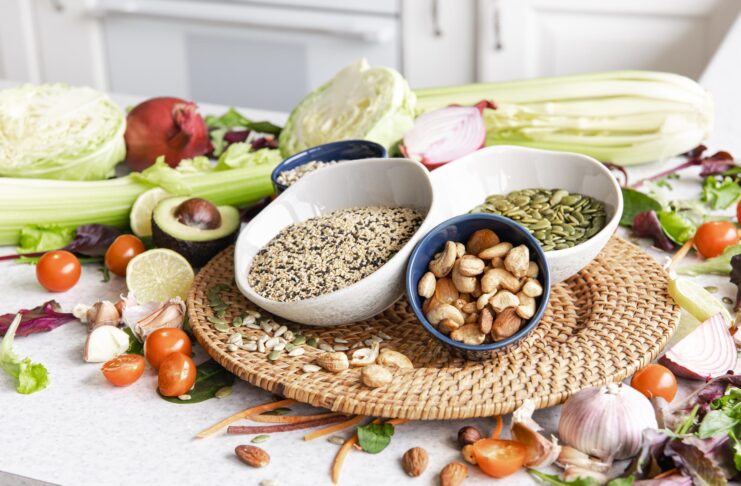
- Snack Smart: Opt for nuts, seeds, and fruits instead of processed snacks.
- Include Legumes: Incorporate beans, lentils, and chickpeas into your meals.
- Vegetable Variety: Aim to fill half your plate with a variety of vegetables at each meal.
- Whole Grains: Substitute refined grains with whole grains, such as brown rice and quinoa.
- Stay Hydrated: Drink plenty of water to help fiber work effectively in your system.
Nutritional/Lifestyle Synergy
While increasing fiber intake is crucial, its benefits are amplified when paired with other healthy lifestyle choices. Regular physical activity boosts gut motility, helping fiber do its job more efficiently. Additionally, reducing the intake of processed foods and sugars can further support a healthy gut microbiome. Mindful eating, focusing on whole, nutrient-dense foods, complements the positive effects of fiber, creating a synergistic environment for optimum gut health.
Long-term Wellness Impact
The long-term impacts of a fiber-rich diet are profound. Numerous studies have linked high fiber intake with a lower risk of heart disease, type 2 diabetes, and certain cancers. By promoting a healthy weight, enhancing immune function, and reducing systemic inflammation, fiber contributes significantly to the enhancement of overall health and longevity. Moreover, the psychological benefits of a balanced gut microbiome underscore the importance of fiber in maintaining mental well-being as we age.
Summary/Conclusion
In the tapestry of nutrition and health, fiber emerges as a formidable thread, weaving together the benefits of improved gut health and extended longevity. By understanding the science behind fiber and making practical dietary adjustments, we can harness its full potential. As fiber supports our gut microbiome, it lays the foundation for a life marked not just by longevity, but also by enhanced vitality and well-being. Embrace fiber as a staple of your daily diet and unlock the door to a healthier, longer life.

