
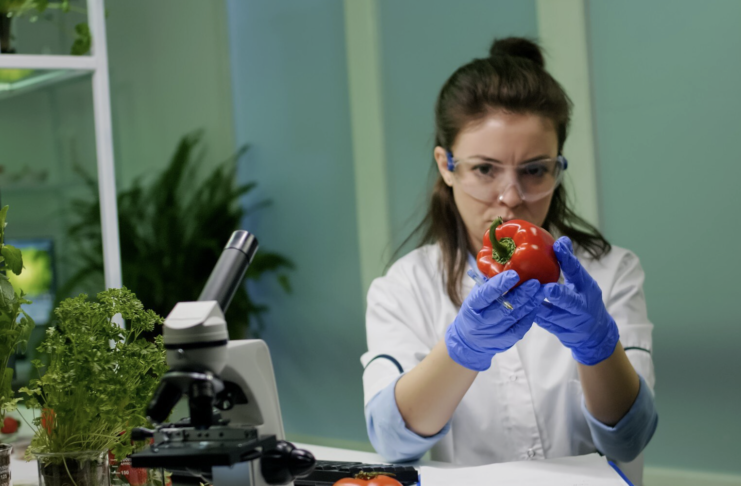
*Global health leaders are refocusing on what your dinner plate reveals about your nation’s health*
KEY STATISTICS
- Spain leads the world in organ transplantation success rates, a model WHO is scaling globally.
- Universal health coverage remains the foundation for reducing preventable deaths from foodborne illness and malnutrition.
- Malaria and tropical diseases still claim lives in regions where food security and clean water remain linked challenges.
You probably don’t think about food safety in the context of global diplomacy. But when the World Health Organization meets with Spain’s Secretary of State for Health, nutrition and food safety sit at the table alongside pandemic preparedness and organ transplantation. Why?
Because what you eat—and whether your food is safe—is one of the most direct measures of whether a health system actually protects you. This April 2024 meeting revealed something many busy adults miss: food safety and nutrition are not luxury concerns. They’re essential infrastructure.
How Food Systems Shape Health
Food safety and nutrition form the bedrock of universal health coverage, the system that determines whether preventable diseases take root in a population. When governments fail at food safety oversight, the consequences ripple outward—from childhood stunted growth to foodborne illness outbreaks that can strain emergency response teams.
- Contaminated food and water cause malnutrition, weakened immunity, and increased susceptibility to infections across all ages.
- Unsafe food supply chains disproportionately affect low-income populations, widening health inequities within and between countries.
- Proper food safety oversight prevents zoonotic disease spillover, reducing pandemic risk at the source.
- Nutritional adequacy directly supports organ function, wound healing, and immune response—critical for transplant recipients and recovery.
Your Role as Health Gatekeeper
Adults aged 35 to 45 are in the demographic most likely to be primary grocery shoppers and meal planners for their households. Your food choices and the safety standards you assume are in place affect not just your own health, but your children’s development and your aging parents’ nutritional status.
- Middle-aged adults make purchasing decisions that shape family nutrition for the next generation.
- Chronic disease onset (diabetes, heart disease, obesity) accelerates when food quality and safety fall short during these critical years.
- Your awareness of food sources and preparation methods directly reduces foodborne illness risk in households with young children or elderly members.
Red Flags to Watch
- Recurring gastrointestinal symptoms after eating (bloating, cramps, or unexplained diarrhea lasting more than a few days).
- Persistent fatigue or difficulty concentrating that coincides with changes in diet or food source.
- Unexplained weight loss or poor wound healing, suggesting underlying nutritional deficiency.
- Frequent food-related illness among family members, indicating potential contamination in your regular food sources.
- Swelling in hands or feet, or unusual bruising, which may signal malnutrition or foodborne pathogen damage.
What Actually Protects You
The health priorities discussed between Spain and WHO emphasize that individual food choices matter only when supported by system-level food safety infrastructure. However, your personal practices—sourcing, storage, and preparation—remain your most direct control lever for protecting yourself and your family.
- Purchase from suppliers with transparent traceability: farmers markets and stores that document source and handling reduce contamination risk.
- Refrigerate perishables within two hours, and never reuse cutting boards between raw meat and produce to prevent cross-contamination.
- Prioritize whole foods (vegetables, legumes, whole grains) over ultra-processed items, which depend on longer supply chains and more handling steps.
- Know your water source: boiling or filtering tap water in regions without certified water safety reduces parasitic and bacterial illness.
Your Action Plan This Week
- Map three trusted local food sources (farmers market, co-op, or certified grocer) and rotate purchases between them for dietary diversity.
- Establish a simple food prep hygiene routine: separate cutting boards, 20-second hand washing, and immediate refrigeration of perishables.
- Review your household’s eating patterns this week—identify the meal most likely to involve cross-contamination or processed ingredients prone to recalls.
- If you have elderly parents or young children in your home, audit their regular snacks and meals for nutritional gaps (adequate protein, fiber, micronutrients).
- Schedule a conversation with your primary care provider about your family’s nutrition if anyone has chronic digestive issues or unexplained fatigue.
Climate, Environment, Food
The WHO meeting highlighted a fact most home cooks overlook: your food safety practices are inseparable from climate health and environmental stewardship. As climate change disrupts growing seasons and water availability, food systems become less resilient. Spain’s emphasis on environmental health and climate adaptation in this meeting signals that what happens to agricultural lands affects what lands on your table.
- Support seasonal, locally grown food when possible—it requires less transportation, reducing contamination exposure and environmental cost.
- Reduce food waste through meal planning, which indirectly lowers demand on fragile supply chains in vulnerable regions.
- Choose food sources that disclose water usage and pesticide practices, signaling demand for environmentally sustainable agriculture.
Bottom Line
The conversation between Spain and the WHO was not academic—it was a reminder that your plate connects to global health infrastructure. Food safety and nutrition are not afterthoughts to pandemic response or transplant programs; they are the foundation upon which all other health gains rest. By choosing safer food sources, preparing meals with care, and staying aware of what your body signals about your nutrition, you are not just protecting yourself.
You are reinforcing the demand for the kind of food systems that make universal health coverage actually work.
Live Long Daily — always consult a qualified healthcare provider before making changes to your health routine.
Sources
- Spain’s Secretary of State for Health discusses joint global health priorities with WHO — WHO News
- Food Safety and Foodborne Illness General Information — CDC
- Universal Health Coverage Overview — WHO

