
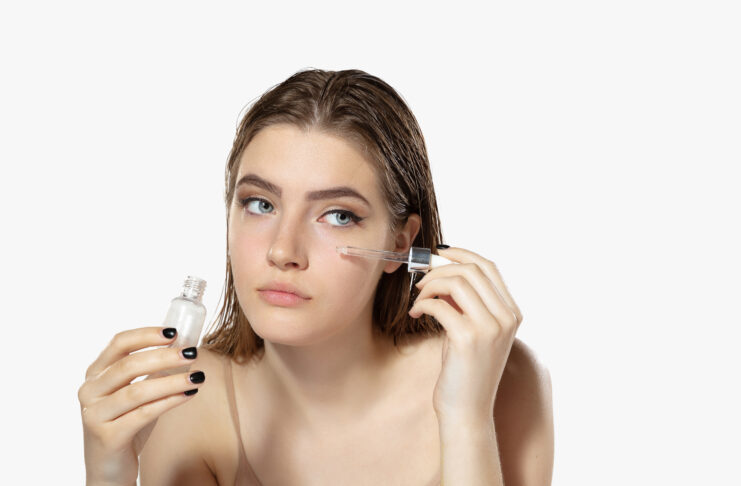
A woman’s body goes through a significant amount of change during pregnancy in order to provide nourishment and protection for the growing fetus. This phase in a woman’s life is both transforming and fragile. To ensure the health and well-being of both the mother and the baby, it is crucial to be mindful of the substances and products used during this time. One such category of substances that should be strictly avoided during pregnancy is retinol, which is a derivative of vitamin A, commonly found in skincare products. This article will discuss six reasons why retinol should be avoided during pregnancy, with an emphasis on the possible risks that these reasons bring to the unborn child as well as the mother.
Toxic levels of vitamin A can be caused by taking too much retinols, which can
increase the risk of birth defects.
There is a correlation between having high amounts of vitamin A in the mother’s body during pregnancy and an increased risk of birth abnormalities in the embryo or fetus that is growing. These birth defects, known as teratogenesis, can have an adverse effect on the child’s health in the long run, causing problems with the child’s heart, lungs, kidneys, eyes, and other essential organs. Therefore, staying away from retinol and other forms of vitamin A derivatives is essential for avoiding issues like these and making sure the baby has a healthy start in life.
Potential for Developmental Delays:
Excessive vitamin A intake during pregnancy has been associated with developmental delays in children. Because retinols are a powerful type of vitamin A, they have the potential to interfere with the normal processes of fetal development, which can result in cognitive, motor, and sensory deficits. Therefore, pregnant women should make it a top priority to avoid cosmetics that contain retinol in order to reduce the likelihood that their children may experience developmental delays.
An Increased Risk of Miscarriage
Several studies point to the possibility of a connection between high levels of vitamin A consumption and an increased risk of miscarriage. Skin care products that contain low percentages of retinol are considered safe for use during pregnancy by the Royal Hospital for Women. This is due to the fact that very little of the active ingredient is absorbed into the body during pregnancy.
However, it is recommended to steer clear of products that have a greater concentration of retinol. This is due to the fact that they have the ability to increase the amount of vitamin A found in the mother’s body, which may increase the risk of miscarriage or other difficulties during pregnancy. So, pregnant women should opt for pregnancy-safe skincare alternatives to safeguard their pregnancies and reduce the likelihood of miscarriage.
Increased Sensitivity and Irritation of the Skin:
Pregnancy is known to cause changes in the skin, one of which is an increase in sensitivity, which is caused by hormonal shifts. It is possible for the use of creams containing retinol to make skin more sensitive, which might result in irritation, redness, and pain. Maintaining healthy skin throughout pregnancy doesn’t have to involve undue discomfort if you use skin care products that are safe for use during pregnancy and are more gentle
Concerns Regarding Breastfeeding
This is because substances applied to the skin can be absorbed into the bloodstream, and potentially passed on to the baby through breast milk. During the time that they are breastfeeding, moms should continue to abstain from using any products that include retinol in order to protect the health of their nursing children.
The potential for toxicity caused by vitamin A:
Vitamin A toxicity can be caused by taking in excessive amounts of vitamin A, particularly that which comes from retinol. Dizziness, nausea, and headaches are some of the symptoms of vitamin A toxicity. In more severe situations, vitamin A toxicity can lead to even more serious problems. The danger of vitamin A poisoning is significantly increased during pregnancy due to the fact that the body’s tolerance for various drugs is altered during this time. Therefore, avoiding retinol is absolutely necessary in order to avoid these negative consequences and to keep the mother’s overall health in good condition.
Pregnancy is a time of immense responsibility and care, demanding heightened awareness of the products used on the body. In order to reduce the risk of vitamin A toxicity as well as the risk of birth deformities, developmental delays, miscarriage, skin irritation, and issues regarding nursing, retinols should be avoided at all costs during pregnancy. Expectant moms can emphasize the health and well-being of their adorable little ones by selecting solutions for skincare that are safe to use throughout pregnancy. This helps to ensure that their transition into motherhood is as easy and risk-free as possible.

