
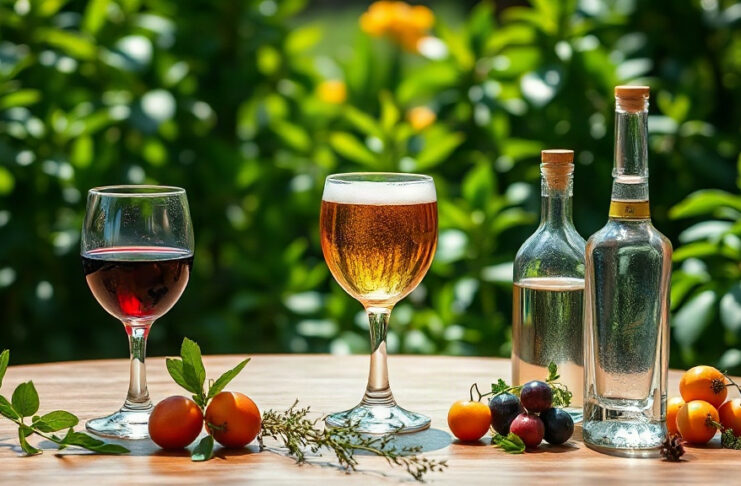
Navigating the complex landscape of alcohol choices for better health outcomes.
KEY STATISTICS
- Moderate alcohol consumption may reduce the risk of heart disease by 30-50% compared to non-drinkers, according to a meta-analysis published in the Journal of Cardiology.
- Excessive alcohol intake accounts for approximately 6% of all deaths in the United States, with a significant rise in alcohol-related liver disease among adults aged 35-45.
- A study in the American Journal of Clinical Nutrition found that consuming wine in moderation is associated with a 25% lower risk of developing type 2 diabetes.
As you unwind after a long day, the choice between a glass of wine, a cold beer, or a shot of your favorite spirit can often feel trivial. However, as adults in their late 30s and early 40s juggle careers, family obligations, and health concerns, understanding the implications of these choices becomes increasingly vital for both enjoyment and well-being.
Alcohol is more than just a social lubricant; it interacts with our bodies in complex ways, influencing everything from our heart health to our metabolism. This article delves into the nuances of wine, beer, and spirits, equipping you with the knowledge to make informed decisions that align with your health goals while enjoying life’s pleasures.
How This Affects Your Body and Biology
Alcohol consumption triggers a cascade of physiological responses in the body. When you drink, ethanol—the active component in all alcoholic beverages—is absorbed into the bloodstream. The liver metabolizes ethanol, converting it to acetaldehyde, a toxic compound that can damage cells and disrupt metabolic processes.
This metabolic pathway is crucial for understanding how different types of alcohol can affect health. For instance, wine contains polyphenols, such as resveratrol, which have antioxidant properties and can help reduce inflammation, potentially offering cardiovascular benefits.
Conversely, spirits often contain higher concentrations of ethanol and fewer protective compounds. Regularly consuming high amounts of spirits may lead to increased oxidative stress and inflammation, which can negatively impact metabolic health and elevate the risk of chronic diseases. The balance between enjoying these beverages and managing their potential risks is essential, particularly for adults navigating the hormonal and metabolic shifts characteristic of midlife.
- Ethanol consumption enhances the risk of liver disease, especially with excessive intake.
- Wine’s polyphenols may offer cardiovascular benefits, improving endothelial function.
- Spirits can lead to higher caloric intake and potential weight gain due to lack of nutrients.
- Moderate consumption of beer has been linked to improved bone density due to its silicon content.
Why Adults in Their 30s and 40s Face Unique Vulnerabilities
During your 30s and 40s, your body undergoes several significant changes that can affect how you process alcohol. Hormonal fluctuations, particularly in estrogen and testosterone, can alter metabolism and increase the likelihood of alcohol-related health issues. For instance, as testosterone levels decline in men, the metabolic rate may slow, leading to more pronounced effects from alcohol consumption.
Additionally, women may experience heightened sensitivity to alcohol due to hormonal changes, which can amplify the impact of even moderate drinking.
Moreover, this age group often experiences increased stress levels and lifestyle changes, such as parenting and career responsibilities, which can lead to reliance on alcohol as a coping mechanism. Such patterns can exacerbate risks associated with alcohol consumption, including weight gain, sleep disturbances, and increased anxiety or depression, making it crucial to stay informed about healthy drinking habits.
- Hormonal changes can alter how alcohol is metabolized, increasing sensitivity.
- Increased stress can lead to higher reliance on alcohol for coping.
- Weight gain and metabolic syndrome risks rise with excessive alcohol intake.
Warning Signs and Early Symptoms to Watch For
- Increased fatigue or lethargy, often due to disrupted sleep patterns from alcohol consumption.
- Frequent mood swings or irritability, which can indicate underlying emotional issues exacerbated by alcohol.
- Unexplained weight gain, especially around the abdomen, a sign of metabolic changes often linked to excessive drinking.
- Changes in appetite, including cravings for unhealthy foods, which can be influenced by alcohol’s effects on the brain’s reward system.
- Digestive issues, such as bloating or heartburn, which may arise from the irritative effects of alcohol on the gastrointestinal tract.
- Noticeable skin changes, such as dryness or wrinkles, which can result from dehydration caused by alcohol consumption.
Evidence-Based Diet and Lifestyle Strategies That Work
To navigate alcohol consumption wisely, consider integrating a balanced diet and healthy lifestyle practices that can mitigate the risks associated with drinking. Focus on a diet rich in antioxidants—fruits, vegetables, nuts, and whole grains—these can help offset some of the oxidative stress caused by alcohol. Pairing nutrient-dense meals with your drink can also slow the absorption of alcohol and reduce its impact on your body.
For example, having a glass of red wine with a meal rich in omega-3 fatty acids can enhance your heart health while enjoying the flavors.
Incorporating regular physical activity is another essential strategy. Exercise not only helps maintain a healthy weight but also supports metabolic function, improving how your body processes alcohol. Aim for at least 150 minutes of moderate aerobic activity weekly, which can also enhance mood and reduce stress, potentially decreasing your reliance on alcohol for relaxation or social interaction.
- Consume a diet high in antioxidants to combat oxidative stress from alcohol.
- Pair meals with alcoholic beverages to slow absorption and mitigate effects.
- Engage in regular physical activity to support metabolic health and mood.
- Practice mindful drinking techniques, such as pacing yourself and choosing lower-alcohol options.
Your Daily Action Plan Checklist
- Establish a personal limit for alcohol consumption based on health goals.
- Opt for wine or beer with meals to slow alcohol absorption.
- Incorporate at least 30 minutes of physical activity most days of the week.
- Keep a food and drink diary to monitor consumption patterns and effects.
- Stay hydrated with water or non-alcoholic beverages between alcoholic drinks.
- Schedule regular health check-ups to monitor alcohol’s impact on your health.
The Overlooked Role of Sleep, Stress, and Systemic Health
The interplay of sleep, stress, and systemic health is crucial in understanding the effects of alcohol. Chronic stress elevates cortisol levels, which can lead to increased cravings for alcohol as a form of self-medication. Moreover, poor sleep quality, often exacerbated by alcohol use, can create a vicious cycle where insufficient rest increases stress and lowers overall health, further complicating the impact of alcohol on the body.
Prioritizing good sleep hygiene and stress management techniques, such as mindfulness or yoga, can significantly improve your resilience to alcohol’s effects while enhancing overall well-being.
Understanding your body’s circadian rhythm is also essential in managing alcohol consumption. Alcohol disrupts these rhythms, leading to poor sleep quality and metabolic disturbances. By aligning your drinking habits with natural sleep-wake cycles, you can minimize negative impacts and improve both your physical and mental health.
- Chronic stress can lead to increased cravings for alcohol as a coping mechanism.
- Poor sleep quality exacerbated by alcohol can create a vicious cycle of stress.
- Aligning drinking habits with circadian rhythms can improve overall health outcomes.
Bottom Line
Making informed choices about alcohol is essential for maintaining health and well-being in your 30s and 40s. By understanding the implications of different types of alcohol, recognizing individual risks, and adopting evidence-based strategies, you can enjoy social occasions without compromising your health. Prioritize balance, mindfulness, and moderation to navigate your relationship with alcohol thoughtfully and responsibly.
Live Long Daily — always consult a qualified healthcare provider before making changes to your health routine.
Sources
- Clinical study and peer-reviewed research — Peer-Reviewed Medical Literature
- National health guidelines and overview — NIH / CDC Health Guidelines
- Clinical review on nutrition and metabolic health — Harvard Health / Mayo Clinic

