
Understanding the often-overlooked consequences of hip dislocation for adults in their prime.
KEY STATISTICS
- Approximately 15% of hip dislocations result in avascular necrosis within two years post-injury.
- Hip dislocation is linked to a 71% increase in the risk of subsequent hip osteoarthritis.
- Over 50% of individuals with a history of hip dislocation experience chronic pain or mobility issues.
Imagine you’re at a family gathering, laughing and playing with your children when suddenly, you feel a sharp, debilitating pain in your hip. You brush it off, thinking it’s just fatigue, but in reality, you may be facing a hidden danger: hip dislocation. This common yet catastrophic injury is far more than just a fleeting inconvenience; it can lead to a cascade of long-term health issues that could affect your quality of life as you age.
How This Affects Your Body and Biology
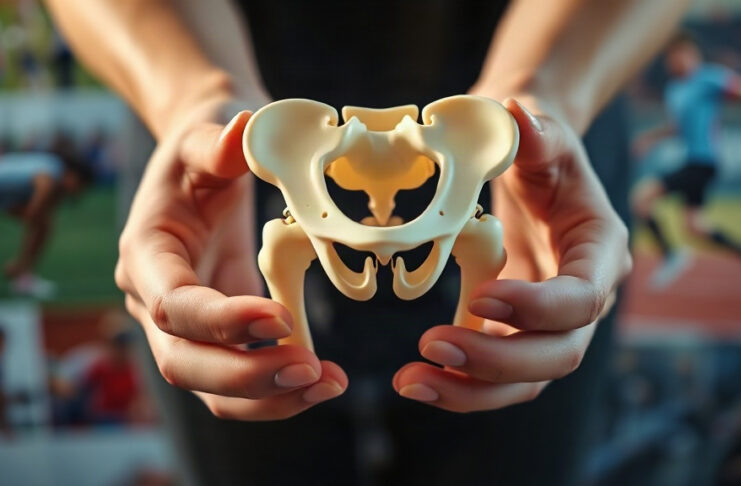
When a hip dislocation occurs, the femoral head (the ball of your thigh bone) is forced out of the acetabulum (the socket in your pelvis). This traumatic event not only stretches and tears the surrounding ligaments but also disrupts the delicate blood supply to the femoral head. If blood flow is compromised for an extended period, the bone begins to die, a condition known as avascular necrosis.
This process can lead to severe pain and ultimately necessitate joint replacement surgery if left unaddressed.
- Avascular necrosis can occur within months of a dislocation without prompt treatment.
- The hip joint is one of the most weight-bearing joints in the body, making dislocation particularly damaging.
- Chronic inflammation from the initial injury can lead to secondary conditions like osteoarthritis.
- Dislocated hips can cause lasting nerve damage, leading to numbness or weakness in the leg.
Why Adults in Their 30s and 40s Face Unique Vulnerabilities
Adults in their late 30s and 40s often experience a decline in muscle mass and bone density due to hormonal changes, making them particularly susceptible to injuries like hip dislocation. The risk is further exacerbated by lifestyle factors such as sedentary behavior and obesity, which can lead to increased stress on the hip joint. Coupled with the wear and tear from years of use, these factors create a perfect storm for potential dislocation and its subsequent complications.
- Hormonal shifts during this age can lead to decreased bone density, increasing fracture risk.
- Sedentary lifestyles contribute to weakened muscles, raising the likelihood of falls and injuries.
- Obesity amplifies stress on weight-bearing joints, making dislocation more probable.
Warning Signs and Early Symptoms to Watch For
- Intense pain in the hip or groin area, often worsening with movement.
- Visible deformity or abnormal positioning of the leg, especially if the leg appears shorter.
- Swelling or bruising around the hip joint, indicating soft tissue damage.
- Inability to bear weight on the affected leg, signaling potential dislocation.
- Numbness or tingling sensations in the leg or foot, which may suggest nerve involvement.
- Persistent clicking or popping sounds in the joint, indicating instability.
Evidence-Based Diet and Lifestyle Strategies That Work
To mitigate the risks associated with hip dislocation, adopting a proactive approach through diet and lifestyle changes is essential. Incorporating anti-inflammatory foods such as fatty fish, nuts, and leafy greens can help reduce joint inflammation and promote recovery after an injury. Additionally, maintaining a healthy weight through regular exercise and balanced nutrition can alleviate excess pressure on the hips, ultimately lowering the risk of dislocation.
- Consume omega-3 fatty acids found in fish and flaxseeds to combat inflammation.
- Engage in strength training exercises to build muscle support around the hip joint.
- Incorporate flexibility training, such as yoga or Pilates, to enhance joint stability.
- Prioritize hydration, as adequate fluid intake is crucial for joint lubrication.
Your Daily Action Plan Checklist
- Perform hip-strengthening exercises, such as squats and lunges, at least three times a week.
- Incorporate daily stretches focused on hip flexibility to prevent stiffness.
- Monitor your weight and aim for a balanced diet rich in whole foods.
- Stay proactive about your bone health by considering calcium and vitamin D supplementation.
- Limit high-impact activities that may strain your hips, opting for low-impact exercises instead.
- Schedule regular check-ups with your healthcare provider to assess joint health.
The Overlooked Role of Sleep, Stress, and Systemic Health
Sleep and stress management are often overlooked factors in maintaining hip health. Chronic stress elevates cortisol levels, leading to inflammation and reduced bone density. Furthermore, inadequate sleep can hinder recovery from injuries and exacerbate pain, particularly in the hips.
Prioritizing restorative sleep and effective stress-reduction techniques can significantly contribute to overall joint health and resilience against injuries.
- Aim for 7-9 hours of quality sleep each night to support recovery and hormonal balance.
- Practice mindfulness or meditation to manage stress levels and promote mental well-being.
- Engage in regular physical activity to improve sleep quality and reduce stress.
Bottom Line
Understanding the hidden dangers of hip dislocation is crucial for adults in their 30s and 40s. By recognizing the symptoms, adopting preventive strategies, and prioritizing overall health, you can significantly reduce your risk and maintain an active, fulfilling life. Stay informed, proactive, and resilient in your journey toward healthy living.
Live Long Daily — always consult a qualified healthcare provider before making changes to your health routine.
Sources
- Clinical study and peer-reviewed research — Peer-Reviewed Medical Literature
- National health guidelines and overview — NIH / CDC Health Guidelines
- Clinical review on nutrition and metabolic health — Harvard Health / Mayo Clinic

