
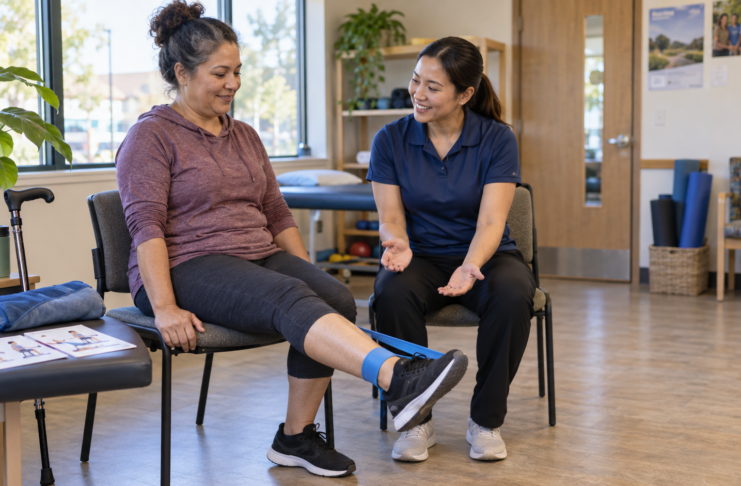
Understanding the intersection of socioeconomic factors and osteoarthritis management.
KEY STATISTICS
- Approximately 27 million adults in the U.S. are affected by osteoarthritis, with prevalence increasing among low-income populations.
- A study found that individuals living in poverty experience osteoarthritis symptoms 50% more frequently than their higher-income counterparts.
- Only 25% of low-income individuals with osteoarthritis receive adequate treatment, compared to 60% of those with higher incomes.
For many adults in their late 30s and early 40s, the daily grind often means managing a busy lifestyle filled with work obligations, family responsibilities, and limited time for self-care. It’s a struggle that becomes even more daunting when faced with the relentless ache of osteoarthritis, a degenerative joint disease that can turn everyday tasks into monumental challenges. Imagine waking up each morning, your knees stiff and sore, making it difficult to get out of bed, let alone chase after your kids or complete your work tasks.
When you add the burden of poverty to this equation, the challenges multiply. Medical care, healthy food options, and exercise resources can feel like luxuries that are out of reach. This article delves into the specific ways osteoarthritis disproportionately impacts those living in poverty, while also offering practical strategies for managing symptoms and improving quality of life.
How This Affects Your Body and Biology
Osteoarthritis is characterized by the breakdown of cartilage, the smooth tissue that cushions the ends of bones in joints. In a healthy joint, cartilage allows for smooth movement and shock absorption. However, in osteoarthritis, the cartilage deteriorates, causing bones to rub against each other.
This mechanical stress leads to inflammation, which not only exacerbates pain but also induces changes in the joint’s structure, including the formation of bone spurs and joint swelling. The inflammatory response involves the release of pro-inflammatory cytokines and enzymes that further degrade cartilage and alter the joint environment.
The biological mechanisms underlying osteoarthritis are complex and multifactorial. In low-income populations, factors such as obesity, lack of access to healthcare, and limited physical activity can compound the disease’s progression. For instance, obesity exacerbates mechanical stress on weight-bearing joints, while inadequate nutrition may contribute to systemic inflammation.
These physiological changes can create a vicious cycle, where poverty limits access to both preventative measures and effective treatment options, resulting in a lower quality of life for those affected.
- Osteoarthritis involves cartilage deterioration and bone friction, leading to inflammation and pain.
- Pro-inflammatory cytokines released during osteoarthritis contribute to further joint damage.
- Low-income individuals face compounded risks due to obesity and limited access to healthcare.
- A lack of nutrition can exacerbate systemic inflammation and disease progression.
Why Adults in Their 30s and 40s Face Unique Vulnerabilities
Adults in their 30s and 40s are at a unique crossroads where lifestyle habits and biological changes intertwine to influence the onset of osteoarthritis. This age group often engages in high-impact activities, from sports to manual labor, which can lead to joint wear and tear. Hormonal changes—such as a decrease in estrogen for women—can also impact joint health, as estrogen is known to have protective effects on cartilage.
As a result, these adults may experience early onset of osteoarthritis symptoms, particularly if they are not mindful of joint health.
Moreover, socioeconomic status plays a pivotal role in the management of osteoarthritis. Individuals in this age group who are struggling financially may have less access to preventive care, leading to delayed diagnoses and treatment. This lack of early intervention can significantly worsen the condition, making it essential to understand the unique vulnerabilities faced by adults in their 30s and 40s living in poverty.
- High-impact activities in this age group can lead to early joint wear.
- Hormonal changes, particularly in women, can exacerbate joint issues.
- Limited access to healthcare can delay diagnosis and worsen outcomes.
Warning Signs and Early Symptoms to Watch For
- Joint pain, especially after movement or prolonged inactivity, signaling inflammation.
- Stiffness in joints, particularly in the morning or after sitting for long periods.
- Swelling around joints, indicating fluid accumulation and inflammation.
- A grating sensation or sound (crepitus) during joint movement.
- Reduced range of motion, making it hard to perform daily activities.
- Fatigue or general malaise, which can accompany chronic pain conditions.
Evidence-Based Diet and Lifestyle Strategies That Work
Managing osteoarthritis effectively requires a holistic approach that includes diet, exercise, and lifestyle modifications. Evidence suggests that a Mediterranean diet, rich in fruits, vegetables, whole grains, lean proteins, and healthy fats, can help reduce inflammation and promote joint health. Specific nutrients such as omega-3 fatty acids found in fish, antioxidants from berries, and vitamin D from fortified foods can play significant roles in managing symptoms.
Integrating these foods into daily meals can not only support joint health but also improve overall well-being.
Exercise is another critical component of managing osteoarthritis. Low-impact activities such as swimming, cycling, or yoga can enhance joint flexibility and strengthen the muscles surrounding the joints, reducing pain and improving function. For those living in poverty, community resources such as local fitness classes or recreational programs can provide affordable outlets for physical activity.
Furthermore, maintaining a healthy weight through proper nutrition and exercise is essential, as excess weight places additional strain on weight-bearing joints.
- Adopt a Mediterranean diet rich in anti-inflammatory foods.
- Incorporate omega-3 fatty acids by eating fatty fish like salmon.
- Engage in low-impact exercises to enhance joint flexibility.
- Utilize community resources for affordable fitness options.
Your Daily Action Plan Checklist
- Start your day with a nutritious breakfast, focusing on whole grains and fruits.
- Incorporate at least 30 minutes of low-impact exercise into your daily routine.
- Monitor your weight and set realistic goals for healthy weight management.
- Stay hydrated by drinking plenty of water throughout the day.
- Educate yourself about osteoarthritis through reliable health resources.
- Seek out community support groups to connect with others facing similar challenges.
The Overlooked Role of Sleep, Stress, and Systemic Health
Sleep and stress management are often overlooked factors in the management of osteoarthritis. Chronic stress can elevate cortisol levels, leading to increased inflammation and pain perception. Poor sleep quality can further exacerbate these issues, as restorative sleep is crucial for recovery and inflammation control.
Establishing a regular sleep routine and incorporating stress-reducing practices such as mindfulness or meditation can have profound effects on overall health and symptom management.
Additionally, systemic health conditions such as obesity and diabetes can exacerbate osteoarthritis symptoms. Individuals living in poverty may face a higher prevalence of these conditions, making it vital to address overall health while managing osteoarthritis. Understanding the interconnectedness of sleep, stress, and systemic health can lead to more comprehensive and effective management strategies.
- Chronic stress can elevate cortisol, leading to increased inflammation.
- Poor sleep quality can exacerbate joint pain and inflammation.
- Addressing systemic health conditions is crucial for comprehensive care.
Bottom Line
Living with osteoarthritis while facing the challenges of poverty can feel overwhelming, but there is hope through informed choices and community support. By prioritizing a healthy diet, engaging in regular physical activity, and addressing emotional well-being, individuals can significantly improve their quality of life. Empowerment comes from understanding how to manage osteoarthritis effectively, allowing individuals in their 30s and 40s to reclaim control over their lives despite socioeconomic challenges.
Live Long Daily — always consult a qualified healthcare provider before making changes to your health routine.
Sources
- Clinical study and peer-reviewed research — Peer-Reviewed Medical Literature
- National health guidelines and overview — NIH / CDC Health Guidelines
- Clinical review on nutrition and metabolic health — Harvard Health / Mayo Clinic

