
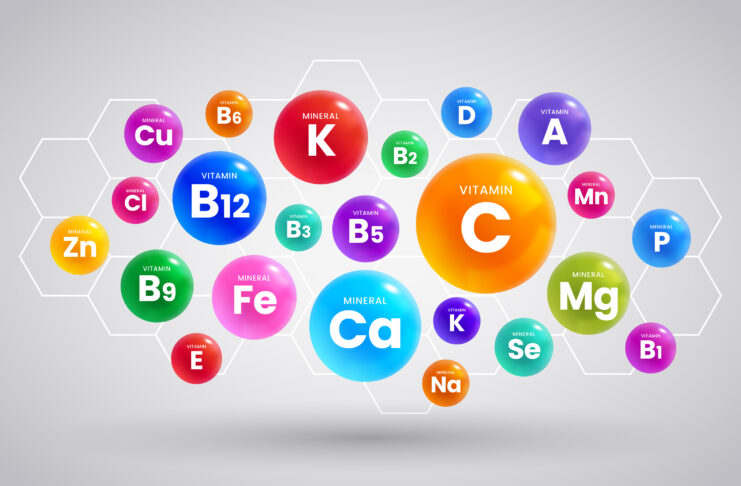
Many people, in their quest for the best possible health, take vitamin supplements on a daily basis since it is the most convenient approach to guarantee that they are getting all of the nutrients they require. It is necessary to be aware of the potential risks linked with the excessive usage of these supplements; even though they may bring certain benefits, this is especially true. In this discussion, we will examine four benefits and three hazards associated with the consumption of vitamins on a daily basis.
Advantages of Taking Vitamins Daily:
Nutrient Bridge, also known as
The capacity of daily vitamins to fill up nutritional gaps is one of the most significant benefits associated with taking them. Due to the hectic nature of our lives, it is not always simple to maintain a diet that is perfectly balanced, and as a result, we may be lacking in certain necessary nutrients. Vitamins play the role of a safety net, ensuring that the body receives the essential micronutrients even in cases where the body’s dietary intake is not as healthy as it may be. This is especially helpful for people who must adhere to very severe dietary restrictions or who do not have ready access to a wide variety of food options.
Enhancing the Function of the Immune System:
There are particular vitamins that are essential to the functioning of the immune system. For example, vitamin C is well known for the antioxidant characteristics that it possesses as well as the role that it plays in the creation of collagen, which is crucial for maintaining healthy skin and for wound healing. Vitamin D is another important factor, and recent studies suggest that it may play a role in regulating the immune system’s reactions. Consuming these vitamins on a consistent basis can help contribute to a healthy immune system, which in turn helps the body protect itself against infections and illnesses.
The Strength and Health of the Bones:
Consuming sufficient amounts of calcium and vitamin D on a daily basis is absolutely necessary in order to keep one’s bones strong and healthy. These nutrients are of utmost significance during the years of childhood and adolescence, when the process of bone formation is at its most rapid. They continue to be extremely important in the prevention of illnesses such as osteoporosis even when they are adults. Because vitamin D improves calcium absorption, it makes it more likely that the body will be able to make good use of this mineral to increase bone density and strength.
The Generation of Energy and the Metabolic
process Vitamins also play a significant role in the generation of energy and the metabolic process. For instance, the B-complex vitamins, which include vitamins B1 (thiamine), B2 (riboflavin), B3 (niacin), B5 (pantothenic acid), B6 (pyridoxine), B7 (biotin), B9 (folate), and B12 (cobalamin), play an essential role in the creation of energy and the metabolism of nutrients. These vitamins play an important role in the process by which carbs, lipids, and proteins are broken down and converted into energy that the body can make use of. It may be helpful in the fight against exhaustion and the promotion of general energy and vitality if enough levels of these vitamins are consumed.
Intake of Vitamins on a Daily Basis Carrying Risks:
An Excessive Intake of Vitamins That Are Fat-Soluble:
Even though vitamins are necessary for good health, certain vitamins, such as vitamins A, D, E, and K, are fat-soluble. This means that the body can store them in the fatty tissues of the body. Toxic levels of these vitamins can develop in the body after an excessive amount of consumption, typically in the form of supplements. Nausea and vomiting are two of the possible symptoms, and in more severe situations, organs including the liver may be damaged. Therefore, in comparison to water-soluble vitamins, which the body is able to eliminate through urine, fat-soluble vitamins demand a greater degree of prudence in terms of dosage.
Interactions with Medications
Taking daily vitamin supplements may also occasionally cause adverse reactions when used with certain drugs. Vitamin K, for instance, has been shown to counteract the effects of blood-thinning pharmaceuticals like warfarin, while vitamin E has been shown to amplify the effects of anticoagulant drugs, which may increase the likelihood of bleeding. Because of this, it is extremely important for consumers to confer with medical experts before beginning to include vitamin supplements as part of their daily routine.
Disturbance of the Nutrient Balance
The body maintains a careful balance of vitamins and minerals, and an excess of one nutrient can lead to an imbalance in the levels of other nutrients. For instance, consuming an excessive amount of vitamin C might cause problems with the body’s ability to absorb copper and selenium. This disturbance in the nutritional balance can have unforeseen repercussions, which could ultimately lead to deficiencies or toxicities.
In the pursuit of health and wellbeing, taking vitamin supplements on a regular basis can give various benefits, including filling nutritional gaps, supporting immunological function, encouraging bone health, and helping to produce energy. However, it is equally necessary to be aware of the potential risks, such as the chance of receiving an excessive amount of fat-soluble vitamins, the possibility of interactions with drugs, the financial costs, and the disruption of the nutrient balance.As a result, individuals ought to approach vitamin supplementation with prudence and look for counsel from professionals working in the medical field.

