
Thursday, March 19, 2026

Creating Valuable Content

Definition of Keloid

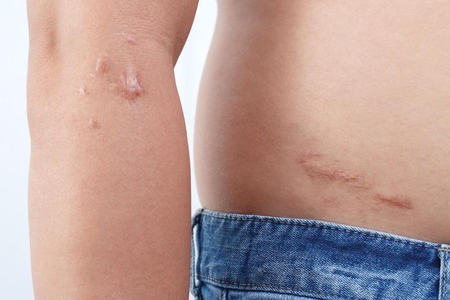
A keloid is a raised scar that grows out from the original injury site. It is the outcome of the body’s atypical wound-healing mechanism. What is more worrisome about keloids, though, is that they grow over time, in contrast to regular scars that eventually disappear. With time, they get bigger and more vibrant in color. A keloid typically presents as a thick, lumpy, reddish-purplish mass on the skin that is elevated and always causes cosmetic concern.

Symptoms of Keloid

The creation of keloid scars happens steadily and gradually. It takes anywhere from months to years for it to fully grow. Typical keloid symptoms include:

scarring that eventually appears where the skin damage occurred
elevation of the skin at the injured site
skin at the damage location that is extremely painful, extremely sensitive, or extremely itching
The skin that covers the scar is often inflamed.
an epidermis with a darker pigmentation than the area around the incision.
The scar is gradually getting bigger.

Causes of Keloids

Studies have shown that an overabundance of collagen produced during the wound-healing process is what causes keloids. It happens when connective tissue cells called fibroblasts respond and produce an excessive amount of collagen.

Although everybody can have keloids, certain populations are thought to be more susceptible to the condition. The subsequent items are:

Keloids’ ancestral lineage

People with darker skin tones
Changes in hormones
inflammation and infection at the site of an injury in people between the ages of 10 and 30

At-Home Keloid Treatment

The keloid scar may not completely disappear with at-home keloid treatment. On the other hand, the harmless ingredients reduce pain, swelling, and the size of a keloid scar.

Vinegar with apple cider

Apple cider vinegar functions as a natural astringent and exfoliator, which can help reduce the size and color of keloid lesions. Apple cider vinegar is diluted with water. Wait half an hour after dabbing the affected area with a cotton ball. Rinse with cold water. The best results will be obtained with two repetitions per day.

Aloe Vera Gel

Aloe vera gel is well known for its anti-inflammatory and therapeutic qualities. Apply fresh aloe vera gel straight on the keloid during the night. This helps to alleviate acne. Keep up a twice-daily schedule for best effects.

Onion Juice

Onion juice is rich in flavonoids and antioxidants. By reducing pain and inflammation, it facilitates healing. To lessen the size and symptoms of the keloid, apply freshly filtered onion juice three or four times a day.

Oil of Garlic

Garlic oil contains a chemical called allicin, which prevents fibroblasts—the cells that produce too much collagen—from proliferating. This quickens the keloid regeneration process. Use a cotton ball to apply garlic oil to the keloid and then rinse the afflicted region with cold water after 30 minutes. Effective outcomes can be obtained with two repetitions each day.

Honey Honey has a great deal of antibacterial and anti-inflammatory qualities. In order to facilitate keloid healing, it improves blood circulation and gets rid of dead cell accumulation. After two to three minutes of application, let the honey sit on the keloid scar for thirty to forty minutes before washing it off with lukewarm water.

Making Soda

Using baking soda as a natural abrasive, it calms and exfoliates the skin. To make a thick paste, mix 1 teaspoon baking soda, 3 teaspoons hydrogen peroxide, and water. Wait twenty minutes after putting it to the keloid lesions. Then give it a quick rinse with cold water. To get the best results, repeat this twice a week.

 

Share Post

Related Articles

The Science Behind Optimal Hydration for Longevity

Introduction: The Elixir of LifeWater, often hailed as the elixir of life, is a fundamental pillar of health and vitality. While its significance in...

Spring Fitness Without Burnout

Introduction Spring often brings renewed motivation to get active. Longer days and better weather make it easier to exercise outdoors and build healthier habits. However, jumping into intense routines too quickly can lead to fatigue, soreness, or burnout. A balanced approach to fitness helps you stay consistent, energized, and injury‑free.Start Gradually After a less active winter, the body needs time to adjust. Increasing intensity too quickly can strain muscles and reduce motivation. According to the Centers for Disease Control and Prevention, gradual progression helps improve fitness safely and sustainably. Helpful tips: Begin with light to moderate workouts Increase intensity slowly over time Allow rest days between sessionsConsistency matters more than intensity.Mix Different Types of Exercise A balanced routine prevents overuse injuries and keeps workouts interesting. Include a mix of: Cardio (walking, cycling, jogging) Strength training (bodyweight or weights) Flexibility (stretching or yoga)This combination supports overall fitness and reduces burnout.Listen to Your Body Pushing through constant fatigue can lead to burnout or injury. Paying attention to how your body feels is essential. Signs you may need rest: Persistent soreness Low energy or motivation Poor sleep qualityThe National Institutes of Health highlights the importance of recovery in maintaining long‑term physical health. Rest and recovery are part of progress.Prioritize Recovery Recovery helps muscles repair and energy levels restore. Helpful recovery habits include: Getting enough sleep Staying hydrated Eating balanced meals with protein Including rest or low‑intensity daysRecovery supports performance and prevents burnout.https://youtu.be/oIGSf9IxLd4 Stay Hydrated and Nourished Proper hydration and nutrition are essential for maintaining energy during exercise. Focus on: Drinking water throughout the day Eating balanced meals with protein, carbs, and healthy fats...

Metabolism After 50 Explained

Introduction As people move into their 50s, many notice changes in weight, energy levels, and how their body responds to food and exercise. These changes are often linked to metabolism, the process by which the body converts food into energy. While metabolism naturally slows with age, understanding why this happens can help you take simple steps to support energy, strength, and overall health.What Is Metabolism? Metabolism refers to all the chemical processes that keep the body functioning, including: Converting food into energy Supporting breathing and circulation Repairing cells Regulating body temperatureAccording to the National Institutes of Health, metabolism is influenced by age, body composition, activity level, and genetics.Why Metabolism Slows After 50 Several natural changes contribute to a slower metabolism with age.Loss of Muscle Mass Muscle tissue burns more calories than fat, even at rest. After age 50, muscle mass tends to decline, which can reduce calorie burning.Hormonal Changes Hormones such as estrogen and testosterone play a role in metabolism. As these levels decline, the body may store fat more easily and burn energy more slowly.Reduced Physical Activity Lifestyle changes may lead to less daily movement, which can further slow metabolic rate.Changes in Energy and Weight A slower metabolism may lead to: Reduced energy levels Gradual weight gain Increased fat storage, especially around the abdomen Slower recovery after physical activityThe National Institute on Aging notes that these changes are a normal part of aging but can be managed with healthy habits.Supporting Metabolism After 50 Although metabolism naturally slows, certain habits can help support it.Stay Physically Active Regular movement helps maintain muscle mass and improve energy use. Helpful activities include: Strength training Walking or light cardio Stretching or yogaThe Centers for Disease Control and Prevention recommends consistent physical activity for metabolic and overall health.https://youtu.be/TSxafx_j59k Eat Balanced Meals Nutrition plays a key role in metabolic health. Focus on: Protein to support muscle maintenance...