
When was peanut butter the most widely used spread in the grocery store? But those days are long gone! These days, nut butters come in every kind, from walnut to almond, and are usually found in their own area of the grocery store. It could be challenging to select the best nut butter for your requirements and tastes because there are so many options available. This article will walk you through the process of selecting the finest nut butter for your needs by going over the nutritional benefits and key differences of some well-known brands.
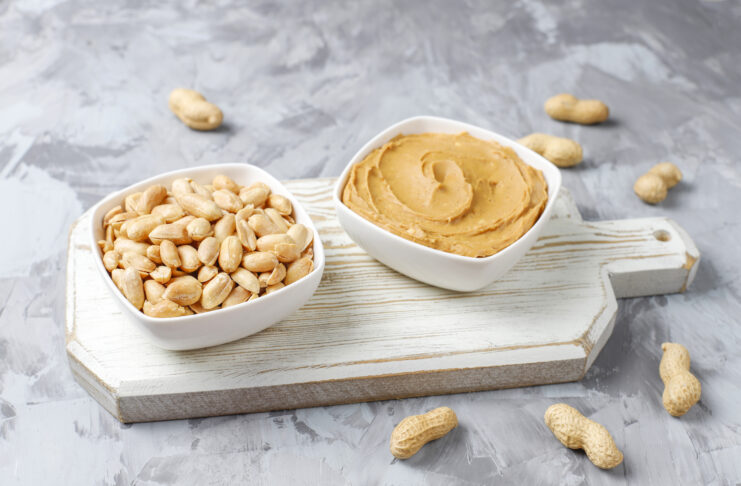
Monounsaturated and polyunsaturated fats, which are high in peanut butter, are known to have a beneficial effect on cardiovascular health. Low-density lipoprotein (LDL) cholesterol, also known as “bad” cholesterol, has been demonstrated to be significantly reduced by these fats, reducing the risk of heart disease. It also has a good quantity of dietary fiber, protein, and important minerals like potassium and magnesium. Vitamin E and niacin are among the important vitamins included in it. As such, adding it to a diet that is well-rounded can aid in providing both sustenance and fullness.
Nine Various Nut Butter Types
Almond Spread:
Among nut butters, almond butter is frequently said to have the most nutritional value. Notably, this product has more monounsaturated fats than peanut butter, which is important because these fats are proven to improve cardiovascular health. Furthermore, each serving has a higher concentration of the antioxidant vitamin E. When it comes to snacking, almond butter is a great option because it can be used to dip apple slices or celery sticks. Because it contains fiber, protein, and healthy fats, it’s a great option to have after working out.
Peanut Butter: Consistently acknowledged for its noteworthy nutritional benefits, peanut butter is considered a perennial favorite. This substitute offers significant advantages over almond butter in terms of monounsaturated fats and vitamin E content, but it also excels in protein, iron, folate, potassium, magnesium, vitamin B6, and zinc. Regular use of peanut butter has been linked to a decreased risk of heart disease and diabetes, according to research findings.
Pistachio Butter:
In the world of nut butters, Pistachio butter has become well-known as a prominent competitor. This is a highly recommended choice for those looking to increase their intake of protein, aid in the growth and repair of muscle, and feel full after eating. Pistachio butter is well-known for both its delicious flavor and its high B vitamin content.
Alpha-linolenic acid (ALA), an omega-3 fatty acid derived from plants that is known to lower blood pressure, enhance lipid profiles, and reduce the risk of heart disease, is found in walnut butter, which is why it is frequently included in lists of healthy foods. It also has a high concentration of vitamin E and monounsaturated fats, both of which have anti-inflammatory properties.
Sunflower Seed Butter (Sun Butter):
For those with nut allergies or sensitivities, sunflower seed butter is an excellent alternative. The nut butter in question has a significant amount of magnesium and vitamins A and E. Moreover, it has more magnesium per serving than any other nut butter kind, which gives it a strong anti-inflammatory effect. However, compared to other options, this one has a somewhat higher calorie and protein content.
Hazelnut Butter:
Rich in oleic acid, a monounsaturated fatty acid linked to cardiovascular health, hazelnut butter serves as a good alternative for people who are allergic to peanuts. This product is also a great source of vitamin E and is free of naturally occurring carbs.
Tahini:
Because it is made from sesame seeds, tahini might be categorized as a kind of seed butter. The product’s unique flavor profile and high vitamin E concentration are contributing to its rising popularity. It also has a large concentration of copper, which is essential for the production of red blood cells. However, to maximize the absorption of copper, it is best to avoid eating tahini with meals that are high in zinc.
Cashew Butter:
Cashew butter is naturally sweet, which makes it a great choice for people who want to reduce their intake of added sugars without sacrificing their sweet tooth. This dietary source provides essential amino acids, monounsaturated fats, and substantial levels of magnesium, copper, and zinc while having a lower protein concentration.
Coconut Butter:
Known as a fruit butter, coconut butter has a high iron, potassium, and magnesium content as well as a significant amount of dietary fiber. However, because it contains a high amount of saturated fat, it is crucial to consume it in moderation.

