
Introduction
Many people search for expensive creams, serums, and treatments to tighten their skin and reduce dullness, but often ignore one of the simplest beauty habits available at home. Skin tightness, freshness, and youthful appearance depend heavily on blood circulation, pore health, and inflammation control. One natural and time‑tested method that supports all these factors is washing or splashing the face with cold or ice water. When done correctly, this habit can naturally tighten skin, reduce puffiness, improve glow, and slow early aging signs without chemicals or cost.
Cold water therapy has been used for centuries in traditional wellness practices and is also supported by modern dermatology for improving skin tone and circulation when used safely.
Why Cold Water Is Good for Skin
• Cold water tightens skin pores
Cold temperature causes pores to contract, making skin look smoother and firmer.
• Cold water improves blood circulation
The skin responds to cold by increasing blood flow, which brings oxygen and nutrients to skin cells.
• Cold water reduces inflammation
It calms redness, swelling, and irritation, especially in acne‑prone skin.
• Cold water reduces excess oil
Tightened pores release less oil, which helps prevent breakouts.
How the Ice Water Habit Affects Your Skin
• It improves skin firmness
Cold exposure temporarily tightens skin, giving a lifted appearance.
• It reduces puffiness and under‑eye swelling
Cold water shrinks blood vessels and reduces fluid buildup.
• It improves natural glow
Better circulation gives skin a healthy, fresh look.
• It slows early aging signs
Reduced inflammation helps delay fine lines and dullness.
• It soothes tired skin
Cold water refreshes skin after sun exposure or long screen time.
Natural Benefits You Will Notice
• Tighter‑looking skin
• Smaller‑looking pores
• Reduced morning puffiness
• Fresh and awake appearance
• Balanced oil production
• Improved makeup finish
• Calmer and smoother skin texture
Correct Way to Follow the Ice Water Face Habit
• Start with normal cold water
Avoid extreme cold in the beginning to prevent shock.
• Splash cold water on your face
Do this 10 to 15 times, especially in the morning.
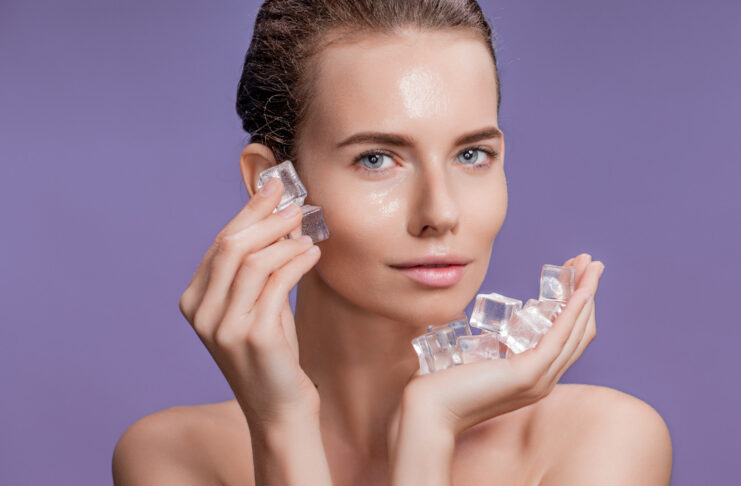
• Use ice cubes occasionally
Wrap an ice cube in a clean cloth and gently rub for 30 to 60 seconds.
• Focus on puffiness areas
Under eyes, cheeks, and jawline respond best.
• Follow with a light moisturizer
This locks hydration after cold exposure.
Best Time to Do This Habit
• Morning for freshness and tightness
Cold water wakes up skin and reduces overnight swelling.
• After sun exposure
It calms redness and heat.
• Before makeup
Tight skin gives a smoother base.
Common Mistakes to Avoid
• Using ice directly on skin for too long
This can damage sensitive skin.
• Doing ice therapy too frequently
Once a day is enough.
• Using dirty ice or water
Always use clean water and tools.
• Skipping moisturizer afterward
Cold water alone does not hydrate skin.
Who Should Avoid Ice Water Therapy
• People with very sensitive skin
• Those with rosacea or broken capillaries
• People with circulation disorders
In such cases, normal cold water is safer than ice.
Final Thoughts
You don’t need expensive treatments to make your skin look tight, fresh, and youthful. A simple ice or cold water face habit can naturally improve circulation, reduce puffiness, tighten pores, and enhance glow. When done safely and consistently, this habit becomes a powerful natural beauty tool. Start gently, stay regular, and let your skin refresh itself naturally.
Trusted Medical Sources
• American Academy of Dermatology – Daily Skin Care

