
Introduction
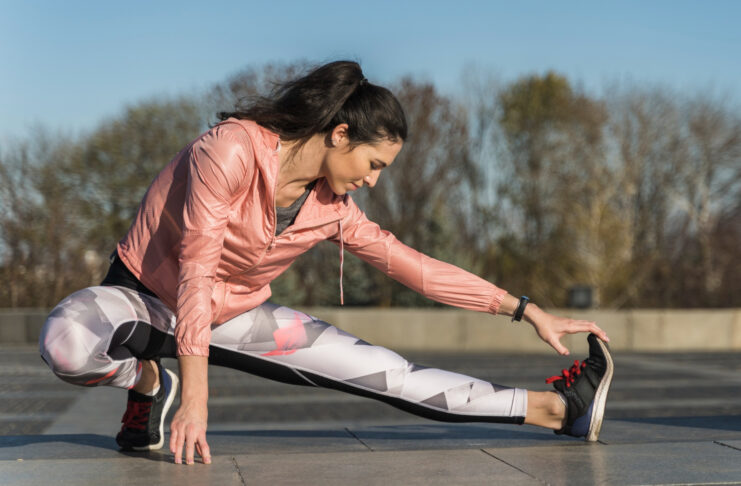
Body pain, stiffness, and reduced flexibility have become very common problems in modern life. Long sitting hours, mobile usage, lack of movement, and stress slowly make muscles tight and joints stiff. Many people ignore early stiffness until it turns into daily pain in the back, neck, shoulders, or knees. What most people do not realize is that you do not need heavy exercise or gym workouts to keep your body flexible and pain‑free. A simple daily stretching habit can naturally reduce body pain, improve flexibility, and keep muscles and joints healthy for the long term.
Stretching is gentle, safe, and suitable for almost everyone, regardless of age or fitness level.
Why Stretching Is Important for the Body
• Muscles become tight with inactivity
Sitting for long hours shortens muscles and reduces blood flow, leading to stiffness and pain.
• Poor flexibility increases injury risk
Tight muscles are more likely to strain or tear during sudden movement.
• Stretching improves circulation
Gentle stretching increases blood flow to muscles and joints, supporting healing.
• Stretching supports joint health
Flexible muscles reduce pressure on joints and improve movement range.
How Daily Stretching Affects Your Body
• It reduces muscle stiffness
Regular stretching relaxes tight muscles and reduces discomfort.
• It improves flexibility gradually
Muscles become longer and more elastic over time.
• It reduces back, neck, and shoulder pain
These areas benefit the most from daily stretching.
• It improves posture
Relaxed muscles support correct body alignment.
• It reduces stress and tension
Stretching calms the nervous system and relaxes the mind.
• It improves mobility
Daily movement becomes easier and smoother.
Natural Benefits You Will Notice
• Reduced body pain and stiffness
• Better movement and flexibility
• Easier bending and stretching
• Less muscle fatigue
• Improved posture
• Better blood circulation
• Relaxed body and mind
• Improved sleep quality
Correct Way to Build a Daily Stretching Habit
• Stretch daily for 10 to 20 minutes
Consistency matters more than duration.
• Stretch slowly and gently
Avoid jerky or forced movements.
• Breathe deeply during stretches
Proper breathing improves muscle relaxation.
• Hold each stretch comfortably
You should feel mild tension, not pain.
• Focus on major muscle groups
Neck, shoulders, back, hips, and legs need regular stretching.
Best Time to Stretch
• Morning stretching
Helps wake up muscles and reduce morning stiffness.
• After work or long sitting
Releases tension built during the day.
• Before bedtime
Relaxes the body and improves sleep quality.
Common Mistakes to Avoid
• Stretching without warming up
Cold muscles are more prone to injury.
• Forcing stretches too hard
Painful stretching can damage muscles.
• Skipping breathing
Holding breath increases muscle tension.
• Stretching irregularly
Benefits come only with consistency.
Final Thoughts
You don’t need intense workouts to stay flexible and pain‑free. A simple daily stretching habit can naturally reduce stiffness, improve flexibility, protect joints, and relax both body and mind. Just a few minutes every day can prevent long‑term pain and keep your body moving comfortably for years. Start slow, stay consistent, and let stretching become part of your daily routine.
Trusted Medical Sources
• Mayo Clinic – Stretching and Flexibility

