
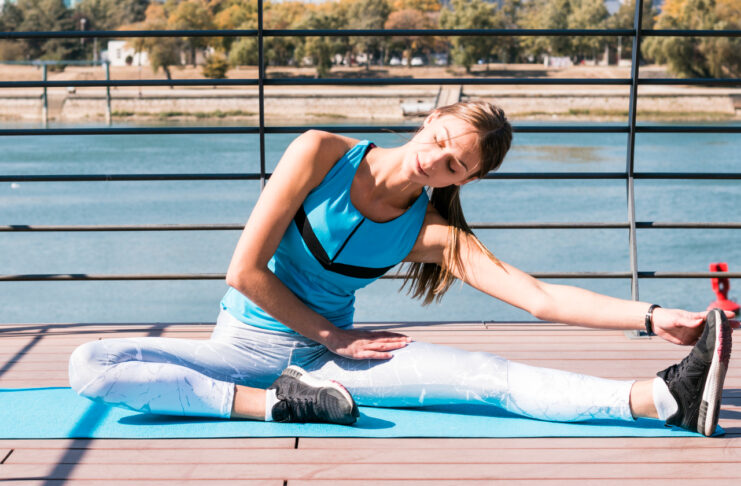
Introduction
Joint stiffness, body tightness, and mild pain have become very common, even among young adults. Long sitting hours, lack of movement, poor posture, and stress slowly reduce joint mobility and muscle flexibility. Over time, this leads to discomfort, reduced range of motion, and difficulty performing everyday activities.
Many people believe that joint pain can only be managed with medication or intense exercise. In reality, a simple daily body stretching habit can naturally reduce joint stiffness, improve flexibility, enhance circulation, and protect long‑term joint health. This habit is gentle, safe, and suitable for people of all ages when practiced correctly.
Why Joints Become Stiff and Painful
• Lack of regular movement
Joints need movement to stay lubricated and flexible.
• Prolonged sitting or inactivity
Still positions reduce blood flow to joints.
• Muscle tightness pulls on joints
Tight muscles increase joint stress.
• Poor posture strains joints
Incorrect alignment increases wear and tear.
• Aging reduces joint lubrication
Natural lubrication decreases over time.
How Daily Stretching Affects Joint Health
• It improves joint lubrication
Movement helps distribute synovial fluid.
• It reduces muscle tightness
Relaxed muscles reduce joint pressure.
• It improves flexibility
Joints move more freely and smoothly.
• It enhances blood circulation
Better circulation supports joint nourishment.
• It reduces stiffness and discomfort
Regular stretching keeps joints mobile.
• It supports long‑term joint health
Flexible joints are less prone to injury.
Natural Benefits You Will Notice
• Reduced morning stiffness
• Improved flexibility
• Less joint discomfort during the day
• Better posture and movement
• Increased ease in daily activities
• Improved overall mobility
• More relaxed body feeling
Correct Way to Build a Daily Stretching Habit
• Stretch slowly and gently
Never force the body into positions.
• Focus on major joints and muscles
Neck, shoulders, back, hips, knees, and ankles.
• Hold each stretch for 15 to 30 seconds
This allows muscles to relax properly.
• Breathe deeply during stretches
Breathing improves relaxation and oxygen flow.
• Stretch daily for best results
Consistency matters more than intensity.
Best Time to Practice Body Stretching
• Morning to reduce stiffness
• After long sitting periods
• Evening to relax muscles
• After light activity or walking
Simple Stretches to Include Daily
• Neck side stretches
• Shoulder rolls
• Spine stretches
• Hip openers
• Hamstring stretches
• Calf and ankle stretches
Common Stretching Mistakes to Avoid
• Stretching with jerky movements
This can cause muscle strain.
• Holding breath during stretches
Breathing is essential for relaxation.
• Stretching cold muscles aggressively
Always start gently.
• Ignoring pain signals
Stretching should not be painful.
• Stretching irregularly
Consistency is key for joint benefits.
Who Benefits the Most from This Habit
• People with mild joint pain
• Individuals with sedentary jobs
• Older adults
• People with poor flexibility
• Anyone wanting better mobility
Final Thoughts
You don’t need intense workouts to protect your joints. A simple daily body stretching habit can naturally reduce stiffness, improve flexibility, and keep your joints healthy and mobile. When practiced gently and consistently, stretching supports pain‑free movement and better quality of life. Start with just a few minutes a day and let your body regain its natural flexibility.
Trusted Medical Sources
• Mayo Clinic – Stretching and Flexibility

