
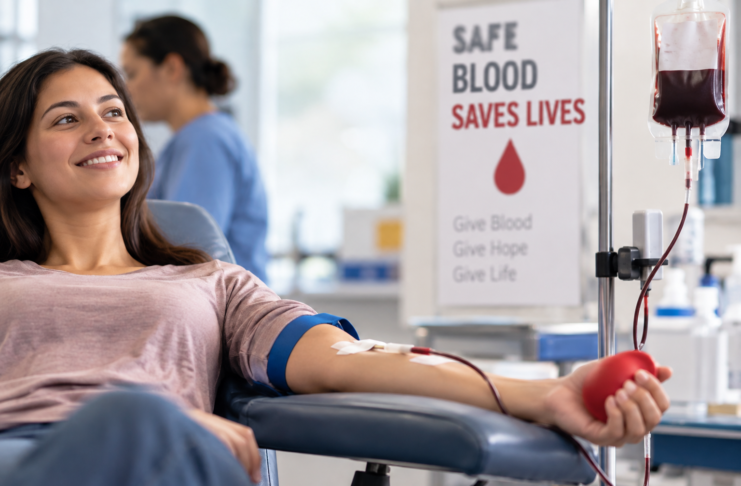
Understanding the critical importance of safe blood supplies for health and longevity.
KEY STATISTICS
- Approximately 4.5 million Americans receive blood transfusions each year, highlighting the essential need for safe blood supplies.
- According to the World Health Organization, about 1 in 10 patients admitted to hospitals require blood transfusions.
- In the United States, 38% of the population is eligible to donate blood, but only about 10% actually do.
Imagine a loved one needing an emergency blood transfusion after a car accident or a major surgery. The thought is harrowing, yet it underscores a critical reality: access to safe blood supplies can be a matter of life and death. Each day, countless patients rely on the generosity of donors to receive lifesaving blood products, making the accessibility and safety of these supplies paramount for our healthcare system.
In your daily life, whether you are a parent, a caregiver, or simply an adult navigating the challenges of health and wellness, understanding the intricacies of blood safety can empower you to make informed decisions. It can also motivate you to become an advocate for blood donation in your community, ensuring that when emergencies arise, the resources needed to save lives are readily available and safe.
How This Affects Your Body and Biology
The human body has a complex relationship with blood, which is responsible for transporting oxygen, nutrients, and hormones throughout the body. Blood also plays a vital role in immune responses and regulating body temperature. When blood transfusions are necessary, the safest option is to use blood from voluntary donors, as this reduces the risk of transmitting infections and complications associated with unsafe blood.
Blood transfusions can be lifesaving in situations like surgeries, trauma, or severe anemia. However, the safety of these transfusions is heavily dependent on rigorous screening and testing protocols. Blood is screened for infectious diseases, blood type compatibility, and other potential hazards that could compromise patient health.
This meticulous process ensures that the benefits of transfusions outweigh the risks, maintaining the delicate balance of homeostasis in the body.
- Blood is crucial for oxygen transportation and immune response.
- Transfusions can save lives but require stringent safety protocols.
- Infections transmitted through transfusions can lead to serious complications.
- Screening and testing blood reduce risks associated with transfusions.
Why Adults in Their 30s and 40s Face Unique Vulnerabilities
As adults in their 30s and 40s, you may face unique health vulnerabilities that can influence your relationship with blood supplies. This age group often experiences transitions in hormonal balance, increased stress levels, and the onset of chronic conditions, all of which can create a heightened demand for blood resources. Furthermore, the risk of needing medical interventions—whether due to accidents, surgeries, or chronic illnesses—increases as you age, making access to safe blood supplies even more critical.
In particular, conditions such as cardiovascular diseases, diabetes, or certain cancers can necessitate blood transfusions or therapies reliant on blood products. The physiological changes that occur during this life stage can lead to a greater sensitivity to the quality of blood supplies, emphasizing the importance of ensuring that these resources are both safe and abundant.
- Hormonal changes can impact overall health and blood quality.
- Increased stress can exacerbate health conditions requiring transfusions.
- Chronic illnesses prevalent in this age group raise blood supply demands.
Warning Signs and Early Symptoms to Watch For
- Unexplained fatigue: Persistent tiredness can indicate anemia, a potential sign of needing blood.
- Frequent bruising: This may suggest low platelet levels, raising concerns about blood health.
- Shortness of breath: Difficulty in breathing during light activity could indicate a need for a transfusion.
- Pale skin: A noticeable lack of color may signal low hemoglobin levels.
- Rapid heart rate: An increased pulse can be a response to anemia or blood loss.
- Dizziness or fainting: These symptoms may arise from inadequate blood flow or low blood volume.
Evidence-Based Diet and Lifestyle Strategies That Work
Maintaining optimal blood health is closely tied to diet and lifestyle choices. Incorporating iron-rich foods, such as spinach, lentils, and red meat, can help bolster hemoglobin levels, essential for oxygen transport. Vitamin C also plays a crucial role in iron absorption, so pairing iron sources with citrus fruits or bell peppers can maximize benefits.
Additionally, staying hydrated is vital for maintaining blood volume and quality, as dehydration can lead to thicker blood and increased strain on the cardiovascular system.
Regular exercise is another significant factor in promoting healthy blood circulation. Engaging in aerobic activities can enhance cardiovascular health, improve circulation, and reduce stress levels. Furthermore, managing stress through mindfulness or yoga can help maintain hormonal balance and reduce the risk of conditions that may require blood transfusions.
- Incorporate iron-rich foods for hemoglobin support.
- Pair iron sources with Vitamin C to enhance absorption.
- Stay hydrated to maintain optimal blood volume.
- Engage in regular exercise to improve circulation and cardiovascular health.
Your Daily Action Plan Checklist
- Schedule regular health check-ups to monitor blood health.
- Incorporate a balanced diet rich in iron and vitamin C.
- Stay hydrated by drinking adequate water daily.
- Engage in at least 150 minutes of moderate exercise weekly.
- Practice stress management techniques such as meditation or yoga.
- Consider donating blood regularly to support community health.
The Overlooked Role of Sleep, Stress, and Systemic Health
Sleep and stress management are often overlooked aspects when discussing blood health. Poor sleep can lead to hormonal imbalances, affecting the body’s ability to produce healthy blood cells. Additionally, chronic stress increases cortisol levels, which can suppress the immune system and impact overall health, making individuals more susceptible to conditions that may require blood transfusions.
Establishing a regular sleep routine and employing stress-reduction techniques can help mitigate these risks, thereby supporting the body’s natural healing processes.
Furthermore, systemic health, including gut health, plays an overlooked role in blood quality. A healthy gut microbiome supports the absorption of essential nutrients, such as iron and B vitamins, which are critical for blood production. Thus, prioritizing sleep, stress management, and gut health can create a holistic approach to maintaining safe blood supplies in our communities.
- Quality sleep supports blood cell production and hormonal balance.
- Chronic stress can suppress immunity and impact overall health.
- Gut health is crucial for nutrient absorption necessary for blood quality.
Bottom Line
Ensuring access to safe blood supplies is not just a medical necessity; it is a communal responsibility. By understanding the importance of blood health and advocating for safe blood practices, you contribute to a system that saves lives. Embracing healthy lifestyle choices, monitoring your own health, and participating in community blood donation initiatives can make a significant difference in the lives of others.
Together, we can foster a healthier future for ourselves and our loved ones.
Live Long Daily — always consult a qualified healthcare provider before making changes to your health routine.
Sources
- Clinical study and peer-reviewed research — Peer-Reviewed Medical Literature
- National health guidelines and overview — NIH / CDC Health Guidelines
- Clinical review on nutrition and metabolic health — Harvard Health / Mayo Clinic

