
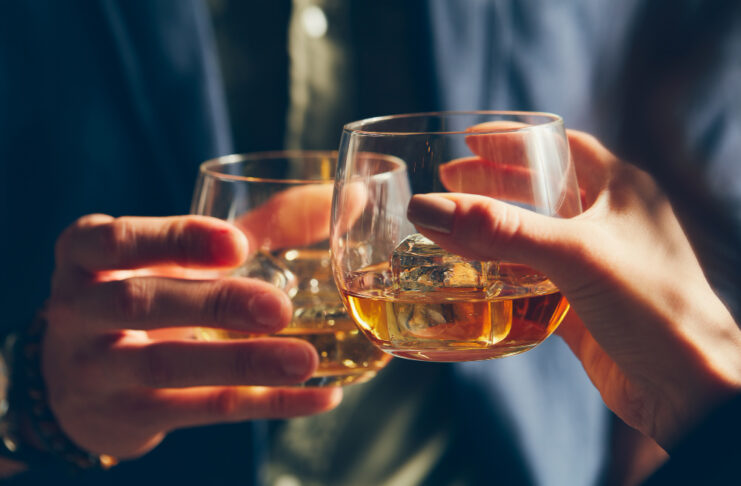
How daily drinks trigger inflammation and wreck your digestive health after 35
KEY STATISTICS
- Regular alcohol consumption increases intestinal permeability by 37% within just two weeks
- Adults over 35 show 40% less gut bacteria diversity compared to moderate drinkers
- Alcohol-related digestive issues affect 65% of people who drink 3+ times per week
That nightly glass of wine might feel like self-care, but it’s quietly destroying the delicate ecosystem in your gut. After 35, your body processes alcohol differently, and what once felt harmless now triggers a cascade of inflammation that starts in your intestines. The result is a damaged gut lining that lets toxins leak into your bloodstream.
How Alcohol Damages Intestines
Alcohol acts like a toxic solvent on your intestinal wall, literally dissolving the tight junctions that keep your gut barrier intact. Within hours of drinking, inflammatory compounds called cytokines flood your digestive system. Your gut bacteria begin dying off, especially the beneficial strains that produce short-chain fatty acids.
This process creates what researchers call “leaky gut syndrome” — microscopic holes in your intestinal lining that allow undigested food particles and bacteria to escape into your bloodstream. Your immune system then attacks these foreign invaders, creating chronic inflammation throughout your body. The liver, already working overtime to process alcohol, becomes overwhelmed trying to filter these escaped toxins.
Why Risk Increases After
Your gut resilience peaks in your twenties and steadily declines with age. By 35, you produce 25% less stomach acid and digestive enzymes, making your intestinal lining more vulnerable to alcohol’s corrosive effects. Your liver also processes alcohol 30% slower than it did in your twenties.
Stress hormones like cortisol, which tend to increase with age and responsibilities, amplify alcohol’s gut-damaging effects. Sleep quality typically declines after 35, and poor sleep further weakens your intestinal barrier. Even moderate drinking that never caused problems in your twenties can now trigger digestive chaos that takes days to resolve.
Gut Damage Warning Signs
- Bloating or stomach pain within hours of drinking, even small amounts
- Irregular bowel movements or diarrhea the day after drinking
- Increased food sensitivities or reactions to foods you used to tolerate
- Frequent heartburn or acid reflux, especially after alcohol consumption
- Persistent fatigue or brain fog that correlates with drinking patterns
Protective Drinking Strategies
The most effective strategy is reducing alcohol frequency rather than just quantity. Your gut needs at least 48-72 hours to repair its lining between drinks. When you do drink, choose clear spirits over beer or wine, which contain additional gut irritants like histamines and sulfites.
Timing matters enormously for gut protection. Never drink on an empty stomach, and always eat protein-rich foods before your first sip. Bone broth, Greek yogurt, or a handful of nuts create a protective coating in your stomach.
Consider taking a high-quality probiotic supplement 2-3 hours after drinking to help restore beneficial bacteria.
Hydration becomes critical as alcohol depletes electrolytes and water from your intestinal cells. Drink one glass of water with electrolytes for every alcoholic beverage. Add a pinch of sea salt and lemon to plain water for a simple electrolyte boost.
Gut Repair Action Plan
- Implement alcohol-free days: Aim for 3-4 consecutive days per week without any alcohol
- Pre-drink protection: Eat 15-20 grams of protein 30 minutes before drinking
- Choose gut-friendly options: Stick to clear spirits with soda water and fresh lime
- Take targeted supplements: L-glutamine 5g and zinc 15mg on drinking days
- Monitor your patterns: Track digestive symptoms in relation to drinking frequency
Sleep Connection Often Overlooked
Sleep disruption from alcohol creates a vicious cycle that compounds gut damage. Even small amounts of alcohol reduce REM sleep by up to 20%, and poor sleep weakens your intestinal barrier. Your gut produces 90% of your body’s serotonin, so alcohol-damaged gut bacteria directly impact your mood and sleep quality.
Stress eating often follows drinking episodes, as alcohol disrupts blood sugar regulation and hunger hormones. This leads to consuming inflammatory processed foods when your gut is already compromised. Many people unknowingly develop a pattern of drinking to manage stress, then eating poorly due to alcohol’s metabolic effects, creating a cycle of gut destruction.
Bottom Line
Your gut lining is remarkably resilient and can begin healing within 24-48 hours of reducing alcohol exposure. The key is giving your intestinal wall enough consecutive alcohol-free time to repair itself while supporting the process with gut-healing foods and targeted supplements. Small, consistent changes to your drinking patterns will yield dramatic improvements in digestive health within weeks.
Always consult a qualified healthcare provider before making changes to your health routine.
Sources
- Alcohol and Intestinal Permeability in Healthy Adults — American Journal of Gastroenterology
- Effects of Chronic Alcohol Consumption on Gut Microbiota — Journal of Clinical Medicine
- Age-Related Changes in Alcohol Metabolism and Gut Function — Hepatology

