
Introduction
Inflammation is a natural immune response that helps the body heal from injury or infection. However, chronic low‑grade inflammation can affect many systems in the body, including hormone regulation.
Hormones control important functions such as metabolism, energy balance, mood, and reproductive health. Diet plays a key role in supporting hormonal balance because certain foods may help reduce inflammation and promote overall metabolic health.
How Inflammation Affects Hormones
Long‑term inflammation can influence several hormones involved in metabolism and stress regulation. For example, inflammation may affect insulin sensitivity, cortisol levels, and other metabolic signals.
According to the National Institutes of Health, chronic inflammation is linked with metabolic changes that can influence hormone activity.
Reducing inflammation through balanced nutrition may help support healthier hormone function.
Fatty Fish and Omega‑3 Fatty Acids
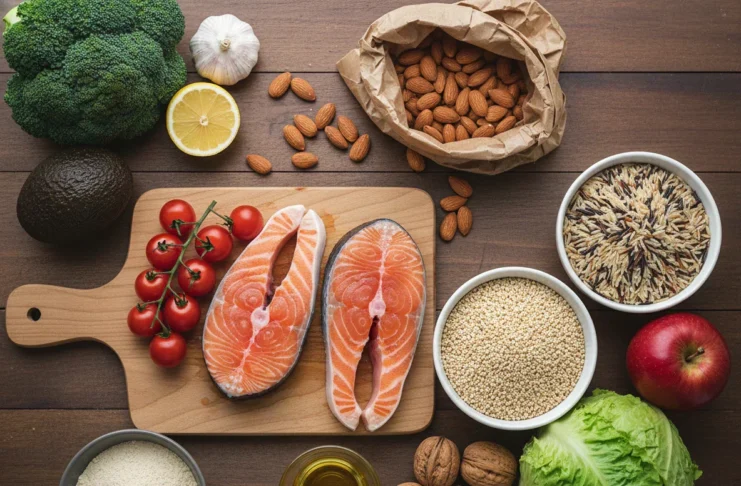
Fatty fish such as salmon, sardines, and mackerel contain omega‑3 fatty acids, which are known for their anti‑inflammatory properties.
Potential benefits include:
Supporting heart health
Helping regulate inflammatory responses
Supporting metabolic balance
The American Heart Association notes that omega‑3 fatty acids help support cardiovascular and metabolic health.
Leafy Green Vegetables
Leafy greens such as spinach, kale, and Swiss chard contain antioxidants, fiber, and micronutrients that help support immune and metabolic function.
Benefits may include:
Supporting detoxification processes
Providing antioxidants that help reduce oxidative stress
Supporting overall hormone balance
These vegetables are also rich in magnesium, a mineral involved in many biochemical reactions in the body.
Berries and Antioxidants
Berries such as blueberries, strawberries, and raspberries are rich in antioxidants that help protect cells from oxidative damage.
According to the Harvard Health Publishing, antioxidant‑rich foods may help reduce inflammation and support overall health.
Berries may help:
Support immune health
Protect cells from oxidative stress
Promote balanced metabolic function
Nuts and Seeds
Nuts and seeds provide healthy fats, fiber, and plant compounds that support metabolic health.
Examples include:
Walnuts
Almonds
Chia seeds
Flaxseeds
These foods contain nutrients that support heart health and may help regulate inflammation.
Olive Oil and Healthy Fats
Extra virgin olive oil is a key component of the Mediterranean diet, which has been widely studied for its health benefits.
It contains compounds with anti‑inflammatory properties and healthy monounsaturated fats.
The World Health Organization highlights balanced dietary patterns rich in healthy fats and plant foods as beneficial for long‑term health.
Spices with Anti‑Inflammatory Properties
Certain spices contain natural compounds that may help regulate inflammation.
Examples include:
Turmeric – contains curcumin
Ginger – supports digestive and immune health
Cinnamon – may help regulate blood sugar
These spices are often used in traditional diets and may contribute to overall wellness when included in balanced meals.
Takeaway
Anti‑inflammatory foods can support overall health and may help maintain balanced hormone function. Nutrient‑rich foods such as fatty fish, leafy greens, berries, nuts, olive oil, and natural spices provide antioxidants, healthy fats, and essential nutrients that help regulate inflammation.
When combined with regular physical activity, proper hydration, and good sleep habits, an anti‑inflammatory diet can support long‑term metabolic and hormonal health.

