
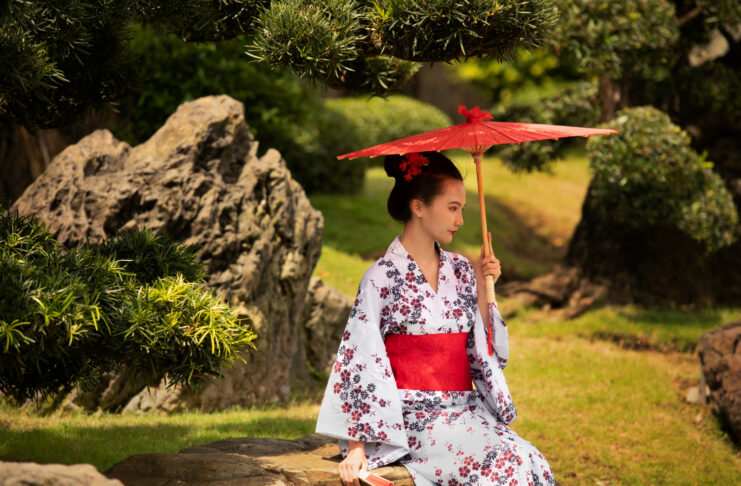
Exploring the historical beauty rituals of Nagoya and their lasting impact on modern wellness.
KEY STATISTICS
- Studies show that traditional beauty rituals can enhance skin health, with 72% of participants reporting improved skin texture after 8 weeks.
- A recent survey found that 65% of adults believe ancient beauty practices contribute to their overall wellness.
- Research indicates that certain natural ingredients used in historical beauty treatments can reduce inflammation by up to 30%.
Imagine starting your day with a ritual steeped in history, one that not only enhances your outer beauty but also nourishes your inner health. For many adults in their late 30s and 40s, the quest for vitality and aesthetic appeal is a daily endeavor, often influenced by the wisdom of past generations.
In Nagoya, a city rich in cultural heritage, beauty practices have evolved over centuries, merging traditional ingredients with modern science. As you navigate through the myriad of health and wellness trends, understanding the roots of these rituals can provide insights into maintaining your beauty and health as you age gracefully.
How This Affects Your Body and Biology
The traditional beauty practices of Nagoya often incorporate natural ingredients like rice bran, green tea, and various botanicals, known for their high antioxidant content. Antioxidants play a pivotal role in neutralizing free radicals—unstable molecules that can cause oxidative stress and damage cellular structures, leading to premature aging. For instance, the polyphenols in green tea have been shown to inhibit matrix metalloproteinases (MMPs), enzymes that break down collagen, thereby promoting skin elasticity and reducing wrinkles.
Moreover, harnessing the power of fermented ingredients, such as sake and miso, introduces beneficial probiotics that can enhance skin microbiome health. A balanced skin microbiome is crucial for maintaining hydration and barrier function, both of which are essential for a youthful appearance. Research indicates that a healthy microbiome can reduce conditions like eczema and acne, thus supporting overall skin health.
- Antioxidants found in traditional ingredients help combat oxidative stress.
- Polyphenols in green tea can preserve collagen and improve skin elasticity.
- Fermented foods promote a healthy microbiome, essential for hydration.
- Natural ingredients often contain anti-inflammatory properties, reducing redness and irritation.
Why Adults in Their 30s and 40s Face Unique Vulnerabilities
As adults enter their 30s and 40s, they encounter significant hormonal changes that can affect skin health and overall appearance. For women, the gradual decline in estrogen levels during this period can lead to decreased collagen production, resulting in wrinkles and sagging skin. Similarly, men may experience a drop in testosterone, which can also impact skin elasticity and moisture retention.
The biological clock is not just a metaphor; it represents real physiological changes that necessitate a reconsideration of beauty and wellness strategies.
Moreover, metabolic shifts become more pronounced during this age, with a decrease in basal metabolic rate (BMR) and an increase in fat accumulation. This shift can alter how the body processes nutrients and can lead to skin that appears dull or lifeless. Understanding these vulnerabilities can empower individuals to adapt their beauty routines and dietary habits to better suit their evolving bodies.
- Hormonal changes can decrease collagen production, leading to visible aging.
- Metabolic rate decreases, affecting skin health and vitality.
- Increased fat accumulation can alter skin texture and appearance.
Warning Signs and Early Symptoms to Watch For
- Dry, flaky skin that lacks moisture can indicate a decline in skin barrier function.
- Increased wrinkles or fine lines, particularly around the eyes and mouth, may signal reduced collagen production.
- Dull or uneven skin tone can reflect hormonal imbalances or inadequate nutrient intake.
- Frequent breakouts or skin irritation may suggest an imbalance in the skin microbiome.
- Visible redness or inflammation can indicate heightened sensitivity and stress on the skin.
- Loss of elasticity, where the skin does not bounce back after being pinched, can be a sign of aging.
Evidence-Based Diet and Lifestyle Strategies That Work
To harness the wisdom of Nagoya’s beauty traditions, consider integrating certain dietary protocols and lifestyle changes that have been backed by research. Start by incorporating foods rich in antioxidants, such as berries, leafy greens, and nuts, which help combat oxidative stress and support skin health. Omega-3 fatty acids found in fatty fish and flaxseeds can also promote skin hydration and elasticity.
Additionally, utilizing fermented foods rich in probiotics—like yogurt, kimchi, and miso—can improve gut health and, consequently, skin health.
Regular hydration is crucial; aim for at least 8 cups of water daily, as proper hydration is essential for maintaining skin moisture levels. Pairing this with a daily skincare routine that includes sun protection, moisturizing, and gentle exfoliation can further enhance the benefits of your diet. Moreover, incorporating mindfulness practices, such as yoga or meditation, can significantly reduce stress levels, which in turn helps to mitigate skin issues and promotes overall wellness.
- Incorporate antioxidant-rich foods such as berries and leafy greens.
- Consume omega-3 fatty acids to support skin hydration.
- Include fermented foods for gut and skin health.
- Stay hydrated by drinking at least 8 cups of water daily.
Your Daily Action Plan Checklist
- Start your day with a glass of lemon water to kickstart hydration.
- Incorporate at least two servings of antioxidant-rich fruits or vegetables into each meal.
- Add a probiotic supplement or fermented foods to your daily diet.
- Establish a skincare routine that includes sunscreen, moisturizer, and gentle cleansers.
- Engage in at least 30 minutes of physical activity most days of the week.
- Practice mindfulness or relaxation techniques to manage stress.
The Overlooked Role of Sleep, Stress, and Systemic Health
Sleep plays a critical role in skin health and overall wellness. During sleep, the body undergoes repair processes, including collagen synthesis and cellular regeneration. Insufficient sleep can lead to increased levels of cortisol, the stress hormone, which is known to contribute to skin issues like acne and premature aging.
Furthermore, chronic stress can disrupt hormonal balance, exacerbating the effects of aging on the skin.
Understanding the interplay between sleep, stress, and systemic health is vital. Aim for 7-9 hours of quality sleep per night, and consider incorporating stress-reducing activities into your routine. Techniques such as deep breathing, journaling, or even participating in hobbies can help create a more balanced life, ultimately enhancing both your internal and external beauty.
- Quality sleep aids in collagen synthesis and cellular repair.
- Chronic stress can increase cortisol levels, exacerbating skin issues.
- Incorporating stress-reduction techniques can enhance overall well-being.
Bottom Line
The beauty rituals of Nagoya serve as a reminder that health and aesthetics are deeply intertwined. By embracing evidence-based strategies rooted in history and modern science, adults in their 30s and 40s can navigate the complexities of aging with confidence. Prioritize your health, adapt your beauty routines, and remember that true beauty flourishes from within.
Live Long Daily — always consult a qualified healthcare provider before making changes to your health routine.
Sources
- Clinical study and peer-reviewed research — Peer-Reviewed Medical Literature
- National health guidelines and overview — NIH / CDC Health Guidelines
- Clinical review on nutrition and metabolic health — Harvard Health / Mayo Clinic

