
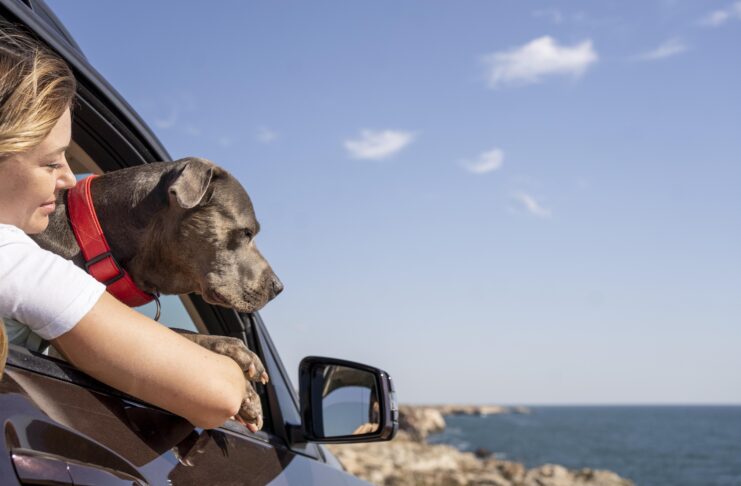
It’s possible that taking your animal buddies on vacation with you will turn out to be one of the most memorable and enjoyable experiences of your life. To guarantee the security, comfort, and well-being of your dogs, however, demands not only careful preparation but also thoughtful thinking on your part. These five essential pieces of advice will assist in making your trip with a pet-friendly companion one that is hassle-free and joyful, regardless of the kind of transportation you choose to use, be it a car, plane, or other mode of conveyance.
Visit to the Veterinarian and Documentation Needed Before the Trip:
Make an appointment to see your vet for a complete physical examination before you set out on your trip. This will ensure that you are in good health to travel. Check that your pet is in good health, has all of its vaccines up to date, and is clear of any potential health problems that could arise during travel. Get a copy of your pet’s medical documents, including vaccination certificates and any permissions required by the location you will be traveling to with your animal companion. Research the precise entrance rules of your destination country or airline, and ensure that you abide by them, particularly if you will be flying to your destination or going overseas.
Select the Appropriate Airline or Travel Agency:
Choosing the right travel carrier for your pet is equally important if you want them to be comfortable and secure while they are in transit with you. When transporting your pet via airplane, check that the carrier satisfies the standards set forth by the airline in terms of providing sufficient ventilation and space for your pet to stand, turn around, and lie down. Before you take your pet on a trip, get them used to the carrier by putting some treats, toys, or a blanket that they are used to inside of it. This helps develop a good association, and it also lessens anxiety while you are traveling.
If you are going to be transporting your pet in a vehicle, you should think about bringing either a crate that is safe and well-ventilated or a pet seatbelt harness. It is not only for the protection of your pet, but also to keep you from being distracted while driving. In addition, make sure that the carrier is clearly labeled with your name and contact information, regardless of the mode of transportation, and that your pet wears a collar with an identity tag.
Practice Traveling Before the Trip:
Get Your Pet Used to Being in the Car Before You Leave If your pet isn’t used to being in the car, it is critical to gradually acclimate them to the experience. Begin by taking them on brief excursions around the neighborhood, and then gradually extend the length of these outings so that they can become accustomed to the movements and sounds associated with traveling. In addition, if you have a pet who suffers from anxiety, you might want to explore giving them calming vitamins, pheromone sprays, or talking to your veterinarian about other ways to control their anxiety. Because of your careful planning, your pet will have a less stressful and more assured experience throughout the actual trip.
Pack the Essentials
for Your Pet Just as you would ensure that you have everything you need for a vacation, you should also ensure that your pet has everything it requires for a comfortable trip. Bring along enough food to last for the entirety of the trip, as well as any of their favorite snacks. Bring along a portable water bowl as well as an adequate amount of water to ensure that your pet stays hydrated. If your pet has a particular diet, you might think about bringing their regular food with you to prevent digestive problems.
Include any necessary medications, as well as a first aid kit, in the event that you end up experiencing any unanticipated health problems. Remember to bring along items that are comfortable for your pet, such as their favorite blanket, bed, or toys. When placed in unexpected surroundings, these familiar things might provide as a source of comfort.
Make Arrangements for Lodging That Is Friendly to Pets:
Do some research and make your reservations for a place to stay that allows pets before you begin the road. There are now many hotels, motels, and vacation rentals that cater to tourists who bring their pets by providing amenities such as beds for the pets, bowls for the pets, and even special play spaces for the pets. Be sure to let the lodging facility know about your pet when you call to make reservations so that the check-in procedure goes as smoothly as possible.
Despite the fact that certain lodging alternatives may have particular guidelines or constraints, selecting lodgings that are pet-friendly helps minimize anxiety and improves the overall quality of the trip for both you and your canine traveling companion.
In conclusion, bringing your pet along on a trip demands careful planning and attention paid to the specific requirements of your animal companion. You and your cherished companion can have a positive and stress-free travel experience by consulting with a veterinarian in advance, selecting the appropriate travel gear, practicing traveling with your pet, packing essentials, planning pet-friendly accommodations, and ensuring safety and comfort during travel.

