
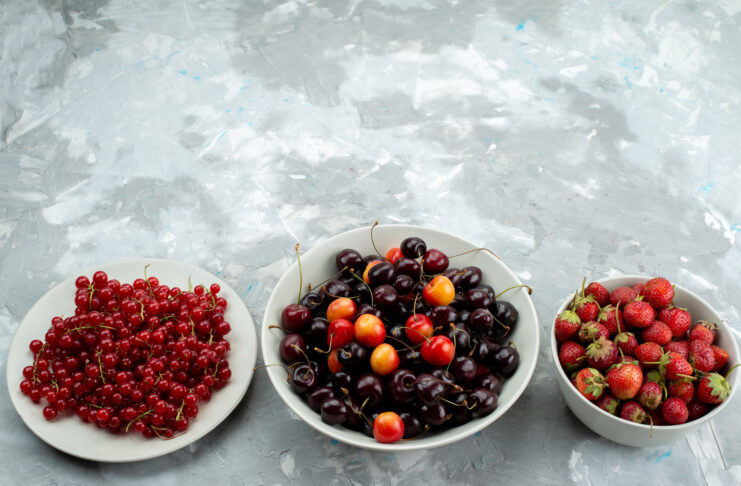
Even ‘healthy’ fruits can trigger glucose crashes in pre-diabetic adults.
KEY STATISTICS
- 47% of adults over 35 have prediabetes or undiagnosed diabetes
- Mixed berries can raise blood glucose 40-60 mg/dL within 30 minutes
- Frozen berries contain 23% more concentrated natural sugars than fresh
You’ve swapped cookies for blueberries, convinced you’re making the healthier choice. But that morning smoothie packed with antioxidant-rich berries might be sending your blood sugar on a dangerous rollercoaster ride. For adults approaching middle age, even nature’s candy can become a metabolic landmine.
How Berries Affect Glucose
Berries contain natural fructose and glucose that enter your bloodstream faster than you’d expect. While fiber helps slow absorption, the concentrated sugars in a typical serving still trigger significant insulin responses.
Your pancreas releases insulin to manage the glucose surge, but this creates a cascade effect. Within 2-3 hours, blood sugar often crashes below baseline levels, leaving you hungry and craving more carbohydrates.
Frozen and dried berries pose even greater risks. Processing concentrates the natural sugars while reducing water content, creating a more potent glycemic impact per serving.
Why Age Increases Risk
Adults over 35 face declining insulin sensitivity, making glucose management increasingly challenging. Your cells become less responsive to insulin signals, requiring higher levels to process the same amount of sugar.
Decreasing muscle mass after 30 reduces your body’s glucose storage capacity. With less muscle tissue to absorb excess glucose, more remains circulating in your bloodstream for longer periods.
Chronic stress and poor sleep common in this age group further impair glucose metabolism. Elevated cortisol levels interfere with insulin function, amplifying the blood sugar response to even small amounts of fruit sugar.
Blood Sugar Warning Signs
- Energy crashes 2-3 hours after eating berries
- Intense carbohydrate cravings following berry consumption
- Difficulty concentrating or brain fog after fruit intake
- Increased thirst or frequent urination after berry-rich meals
- Mood swings or irritability when hungry between meals
Smart Berry Consumption Strategies
Pair berries with protein or healthy fats to slow sugar absorption. Greek yogurt, nuts, or seeds create a more balanced glycemic response than eating berries alone.
Limit portion sizes to 1/2 cup fresh berries per serving. This provides antioxidant benefits while minimizing glucose spikes that overwhelm your insulin response.
Choose fresh over frozen or dried varieties whenever possible. Fresh berries contain more water and fiber relative to sugar content, creating gentler blood sugar impacts.
Time berry consumption strategically around physical activity. Eating berries before or after exercise allows muscles to utilize the glucose more efficiently, preventing accumulation in bloodstream.
Blood Sugar Control Checklist
- Measure blood glucose before and 2 hours after berry consumption to identify personal responses
- Replace berry-only snacks with berry-nut combinations or berry-yogurt parfaits
- Switch from dried/frozen to fresh berries for lower sugar concentration
- Schedule berry intake around workout times for better glucose utilization
- Track energy levels and mood changes after berry consumption in a food diary
Timing Makes Everything Worse
The timing of your berry consumption dramatically affects blood sugar impact. Morning cortisol levels naturally elevate glucose, making breakfast berries particularly problematic for glucose control.
Afternoon berry snacks often trigger the most severe crashes because insulin sensitivity typically decreases throughout the day. Your body becomes less efficient at processing sugars as evening approaches.
Combining berries with caffeine compounds the problem. Coffee and tea can temporarily impair insulin sensitivity, magnifying the blood sugar spike from fruit consumption by up to 25%.
Bottom Line
Berries aren’t inherently bad, but they require strategic consumption for optimal blood sugar control. Portion control, smart pairing with protein or fats, and timing around physical activity can help you enjoy antioxidant benefits without glucose chaos. Monitor your individual response and adjust accordingly.
Always consult a qualified healthcare provider before making changes to your health routine.
Sources
- Glycemic responses to fruits in adults with type 2 diabetes — American Journal of Clinical Nutrition
- Age-related changes in glucose metabolism and insulin sensitivity — JAMA Internal Medicine
- Effects of berry consumption on postprandial glucose response — British Journal of Nutrition

