
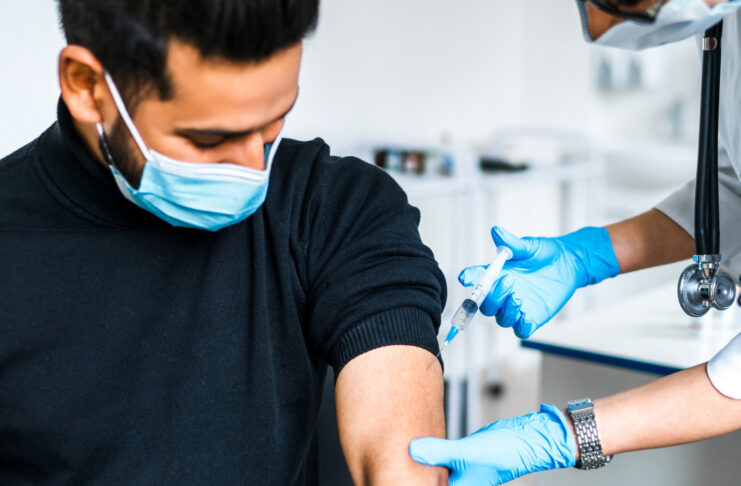
Understanding the intricate relationship between COVID-19 vaccination and HIV responses in adults.
KEY STATISTICS
- Studies show that COVID-19 vaccines elicit robust immune responses in 90% of vaccinated individuals, regardless of HIV status.
- Research indicates that HIV-positive individuals vaccinated against COVID-19 have a 70% lower risk of severe illness compared to unvaccinated counterparts.
- Clinical data reveal that mRNA vaccines may enhance CD4+ T-cell recovery in individuals with HIV, promoting better overall immune health.
As you navigate daily life in your late 30s or early 40s, the thought of COVID-19 and its lingering effects may weigh heavily on your mind. With ongoing discussions about health, immunity, and vaccines, understanding how these factors intersect with existing conditions like HIV is crucial for your well-being.
How This Affects Your Body and Biology
COVID-19 vaccines primarily function by introducing a harmless piece of the virus’s spike protein into the body, prompting an immune response. This process stimulates the production of antibodies that can recognize and fight off the actual virus if encountered. In individuals living with HIV, this immune response can be complicated by their underlying condition, which can affect the number and function of immune cells, particularly CD4+ T-cells.
These cells are vital for orchestrating the immune response against pathogens, including SARS-CoV-2, the virus that causes COVID-19.
- COVID-19 vaccines trigger both humoral (antibody-mediated) and cellular immune responses.
- Individuals with HIV may have altered immune responses, but vaccines still provide substantial protection.
- mRNA vaccines can boost CD4+ T-cell counts in HIV-positive individuals, aiding in immune recovery.
- Vaccination can reduce the viral load in HIV-positive individuals, leading to better overall health outcomes.
Why Adults in Their 30s and 40s Face Unique Vulnerabilities
Adults in their 30s and 40s often experience unique vulnerabilities due to hormonal changes, increased stressors, and the onset of chronic conditions. This age group may face metabolic slowdowns that can affect immune function, making them more susceptible to infections like COVID-19. Moreover, the presence of HIV can compound these vulnerabilities, as the virus itself may alter immune responses and increase inflammation, putting additional strain on the body’s defenses.
- Hormonal fluctuations can influence immune responses, particularly in individuals with HIV.
- Increased stress from work and family can elevate cortisol levels, which may further suppress immunity.
- Chronic conditions often emerge in this age group, complicating the immune response to infections.
Warning Signs and Early Symptoms to Watch For
- Fever: A persistent fever above 100.4°F can indicate an active infection.
- Fatigue: Unusual tiredness that doesn’t improve with rest may signal an underlying issue.
- Cough: A new or worsening cough, especially if persistent, can be a sign of respiratory infection.
- Shortness of Breath: Difficulty breathing or a feeling of tightness in the chest should be taken seriously.
- Loss of Taste or Smell: Sudden changes in taste or smell can be a distinctive symptom of COVID-19.
- Night Sweats: Excessive sweating during the night can indicate an immune response or other health issues.
Evidence-Based Diet and Lifestyle Strategies That Work
Maintaining a balanced diet rich in antioxidants, vitamins, and minerals is crucial for supporting immune health, especially for those with HIV. Incorporating foods such as leafy greens, berries, nuts, and fish can help enhance immune function. Additionally, regular physical activity, adequate hydration, and stress management techniques like mindfulness and yoga can improve overall wellness.
Prioritizing sleep and establishing a consistent sleep routine can also play a significant role in immune health and recovery.
- Incorporate a variety of colorful fruits and vegetables to boost antioxidant levels.
- Aim for at least 150 minutes of moderate exercise per week to enhance immunity.
- Include omega-3-rich foods like salmon and walnuts to reduce inflammation.
- Stay hydrated by drinking plenty of water and herbal teas.
Your Daily Action Plan Checklist
- Schedule regular health check-ups to monitor immune status and overall health.
- Maintain a food journal to ensure a balanced diet rich in nutrients.
- Engage in at least 30 minutes of physical activity most days of the week.
- Practice stress-reduction techniques such as meditation or deep-breathing exercises.
- Stay informed about vaccinations and keep up-to-date with booster shots.
- Ensure you are getting at least 7-8 hours of quality sleep each night.
The Overlooked Role of Sleep, Stress, and Systemic Health
Sleep is often an overlooked factor in immune health. Poor sleep quality can lead to increased levels of cortisol, a hormone that, in excess, can impair immune function. Chronic stress can also trigger inflammatory responses that may exacerbate existing conditions like HIV, leading to a vicious cycle of poor health outcomes.
Taking steps to improve sleep hygiene and manage stress can significantly bolster immune responses and enhance overall health.
- Prioritize 7-8 hours of quality sleep to support immune recovery.
- Implement stress management techniques to lower cortisol levels.
- Consider mindfulness practices to improve mental well-being.
Bottom Line
As you navigate your health journey, understanding the intersection between COVID-19 vaccines and HIV responses is essential. By adopting evidence-based lifestyle strategies, staying informed about vaccinations, and prioritizing your well-being, you can take proactive steps toward a healthier future. Empower yourself with knowledge, and engage in practices that support both your immune system and overall quality of life.
Live Long Daily — always consult a qualified healthcare provider before making changes to your health routine.
Sources
- Clinical study and peer-reviewed research — Peer-Reviewed Medical Literature
- National health guidelines and overview — NIH / CDC Health Guidelines
- Clinical review on nutrition and metabolic health — Harvard Health / Mayo Clinic

