
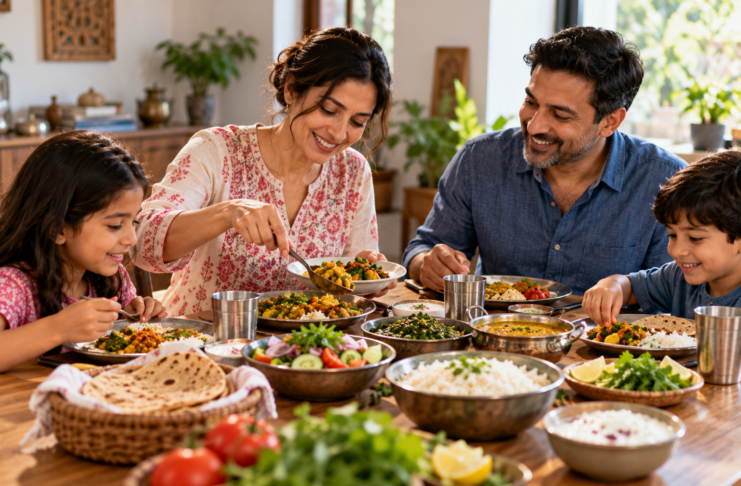
Embracing diverse culinary traditions can enhance health outcomes and well-being.
KEY STATISTICS
- A study found that culturally tailored dietary interventions improved adherence to healthy eating by 50% among participants.
- Research indicates that diets aligned with cultural preferences can reduce the risk of chronic diseases by up to 30%.
- Culturally relevant nutrition education has been shown to increase dietary knowledge and skills by 40%.
Imagine transitioning from the hustle of daily life into the comforting warmth of a family meal, rich with flavors that resonate with your heritage. For many adults in their late 30s and early 40s, the food we eat is not just sustenance; it’s a deep-seated connection to our culture and identity, often shaping our health outcomes more than we realize. As we navigate the complexities of aging, stress, and metabolic changes, embracing a culturally tailored diet can be a powerful tool for enhancing our well-being and longevity.
Culturally tailored diets integrate individual dietary preferences with nutritional guidance, creating a unique approach that respects both taste and health. This alignment not only fosters a sense of belonging and nostalgia but also encourages healthier eating habits, ultimately leading to improved health metrics and quality of life. By understanding how these dietary patterns influence our biology, we can make informed choices that nurture both our bodies and our cultural identities.
How This Affects Your Body and Biology
When we consume foods that are culturally familiar, our bodies often respond more positively due to the intrinsic connection between culture, taste, and nutrition. Familiar flavors and ingredients can stimulate the brain’s reward pathways, resulting in increased satisfaction and potentially better adherence to dietary changes. Research indicates that culturally relevant foods can modulate gut microbiota, which plays a crucial role in digestion, metabolism, and immune function.
The diversity in our diets, often seen in traditional cuisines, can foster a richer microbiome, which is associated with lower inflammation and better metabolic health.
Moreover, the nutrients found in culturally appropriate foods can have specific biological impacts. For instance, Asian diets rich in fermented foods may enhance gut health through probiotics, while Mediterranean diets, laden with olive oil and legumes, show benefits for cardiovascular health. These diets are not merely about calorie intake; they are about delivering essential nutrients that can modulate our physiological processes, reduce oxidative stress, and enhance cellular resilience, particularly important during the metabolic shifts often experienced in our 30s and 40s.
- Culturally tailored diets lead to improved adherence to healthy eating patterns.
- Familiar foods stimulate brain reward pathways, enhancing satisfaction.
- Diverse diets promote a healthier gut microbiome, reducing inflammation.
- Specific nutrients in cultural foods can modulate metabolic health.
Why Adults in Their 30s and 40s Face Unique Vulnerabilities
As adults enter their late 30s and early 40s, hormonal fluctuations and metabolic slowdowns begin to manifest, often leading to weight gain and increased susceptibility to chronic diseases. For women, perimenopause can start to affect hormonal balance, leading to changes in fat distribution and insulin sensitivity. Men may experience a gradual decline in testosterone levels, impacting muscle mass and metabolic rate.
These physiological changes create a unique landscape where dietary choices become increasingly crucial for maintaining health.
Additionally, lifestyle factors prevalent in this age group, such as increased work stress and reduced physical activity, can exacerbate these vulnerabilities. The body’s ability to process sugars and fats diminishes, leading to greater risks of developing conditions like type 2 diabetes and cardiovascular diseases. Culturally tailored diets can help counter these effects by providing nutrient-dense foods that support metabolic health while also being enjoyable and satisfying.
- Hormonal fluctuations can lead to weight gain and metabolic changes.
- Increased work stress may diminish nutritional choices and physical activity.
- Changes in metabolism heighten risks for chronic diseases.
Warning Signs and Early Symptoms to Watch For
- Unexplained weight gain, particularly around the abdomen, can signal metabolic changes.
- Increased fatigue or low energy levels may indicate nutritional deficiencies.
- Frequent mood swings or irritability could be linked to hormonal imbalances.
- Digestive issues, such as bloating or irregular bowel movements, may signal gut health concerns.
- Sleep disturbances or insomnia can affect overall health and metabolism.
- Heightened cravings for sugary or fatty foods can indicate imbalanced nutrition.
Evidence-Based Diet and Lifestyle Strategies That Work
To combat the unique health challenges faced by adults in their 30s and 40s, integrating culturally tailored dietary practices can be transformative. Begin by identifying traditional ingredients that are both nutritious and enjoyable, such as whole grains, legumes, and colorful vegetables. These foods are often high in fiber, vitamins, and minerals, which support digestive health and help regulate blood sugar levels.
Pairing proteins with complex carbohydrates, as seen in many cultural dishes, not only enhances flavor but also promotes satiety and sustained energy levels throughout the day.
Incorporate regular physical activity tailored to your cultural preferences—dance, traditional sports, or community exercise classes can enhance both physical fitness and social bonds. Additionally, prioritize meal preparation as a family activity, which can bolster adherence to healthy eating while reinforcing cultural traditions. Research shows that involving family members in meal planning and cooking increases the likelihood of making healthier dietary choices, creating a supportive environment for long-term health.
- Identify and incorporate nutritious traditional ingredients into meals.
- Pair proteins with complex carbohydrates for balanced meals.
- Engage in physical activities that reflect cultural heritage.
- Make meal preparation a family activity to enhance adherence.
Your Daily Action Plan Checklist
- Assess your current dietary habits and identify culturally relevant foods.
- Plan meals that incorporate traditional ingredients while prioritizing nutrition.
- Aim for at least 30 minutes of physical activity most days, focusing on enjoyable forms.
- Involve family in cooking to foster healthier habits and cultural connection.
- Stay hydrated by drinking plenty of water, especially when consuming fiber-rich foods.
- Schedule regular health check-ups to monitor metabolic health and hormonal changes.
The Overlooked Role of Sleep, Stress, and Systemic Health
The interplay between sleep, stress, and overall health cannot be overstated, especially for adults in their 30s and 40s. Chronic stress elevates cortisol levels, which can lead to weight gain, particularly around the abdomen, and disrupt hormonal balance. Adequate sleep, on the other hand, is crucial for metabolic health, as it facilitates cellular repair and hormonal regulation.
Research indicates that poor sleep quality can lead to insulin resistance and increased cravings for unhealthy foods, creating a vicious cycle that undermines dietary efforts.
Incorporating stress-reduction techniques, such as mindfulness or yoga, can enhance sleep quality and improve overall health. These practices not only mitigate the physiological impacts of stress but also support healthier dietary choices by fostering a more balanced emotional state. By addressing these systemic factors, you can create a holistic approach that complements culturally tailored diets and promotes long-term well-being.
- Chronic stress can lead to elevated cortisol, affecting metabolism.
- Adequate sleep supports hormonal regulation and cellular repair.
- Mindfulness practices can enhance emotional balance and dietary choices.
Bottom Line
Embracing culturally tailored diets is not merely about nutrition; it’s about weaving the fabric of our identities into our health journeys. By celebrating our heritage through food, we can create vibrant meals that nourish our bodies and strengthen our connections to family and community. This approach empowers us to take charge of our health, fostering resilience against the unique challenges of aging while enjoying every bite of the journey.
Live Long Daily — always consult a qualified healthcare provider before making changes to your health routine.
Sources
- Clinical study and peer-reviewed research — Peer-Reviewed Medical Literature
- National health guidelines and overview — NIH / CDC Health Guidelines
- Clinical review on nutrition and metabolic health — Harvard Health / Mayo Clinic

