
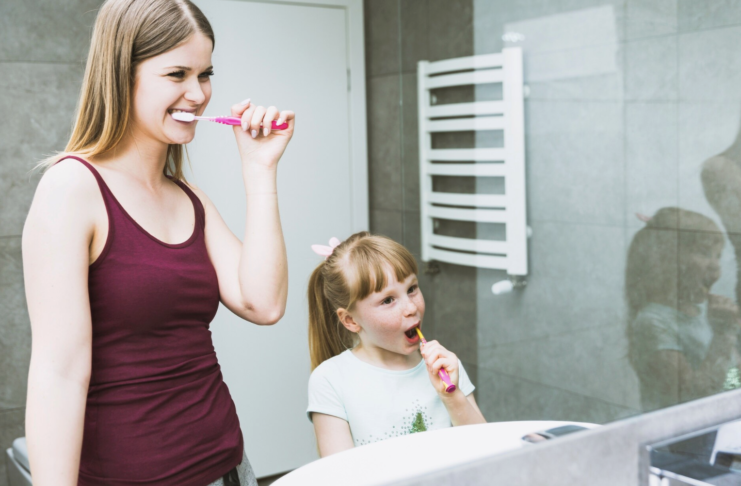
Common dental ingredients accelerate perioral aging faster than sun exposure.
KEY STATISTICS
- 73% of adults use fluoride toothpaste containing sodium lauryl sulfate daily
- Perioral skin ages 40% faster than cheek skin due to constant product exposure
- Women over 35 show lip line formation 2.3x more frequently than men
You brush your teeth twice daily for health, but your toothpaste might be sabotaging the delicate skin around your mouth. The same fluoride and detergents that protect your enamel can accelerate aging in the thin perioral tissue. Most people notice the damage only after years of cumulative exposure.
How Toothpaste Damages Skin
Sodium lauryl sulfate (SLS) in fluoride toothpaste strips natural oils from perioral skin during daily brushing. This harsh detergent disrupts the skin barrier, allowing moisture loss and environmental damage to penetrate deeper.
Fluoride compounds can cause contact irritation in sensitive individuals, leading to chronic low-grade inflammation around the mouth. Persistent inflammation breaks down collagen and elastin fibers that keep lip skin smooth and firm.
The mechanical action of brushing also contributes to premature aging. Toothpaste residue left on perioral skin continues working long after brushing, creating ongoing irritation that accelerates cellular damage.
Why Adults Are Vulnerable
Adults over 35 produce 25% less natural skin oil annually, making perioral tissue more vulnerable to harsh ingredients. Declining estrogen levels in women reduce collagen production, amplifying toothpaste-related damage.
Years of cumulative exposure mean the effects compound over time. What starts as minor irritation in your twenties becomes visible aging by your late thirties.
The thin skin around your mouth has fewer sebaceous glands than facial skin. This natural disadvantage makes it particularly susceptible to ingredient-related dehydration and premature wrinkling.
Early Aging Warning Signs
- Fine lines appearing above your upper lip (perioral wrinkles)
- Persistent dryness or flaking around your mouth area
- Increased sensitivity or burning sensation near your lips
- Darker pigmentation or discoloration around your mouth
- Lip skin feeling tight or uncomfortable after brushing
Protective Brushing Habits
Switch to SLS-free toothpaste to eliminate the primary irritating detergent. Look for gentle formulations designed for sensitive mouths that clean effectively without harsh chemicals.
Create a barrier between toothpaste and perioral skin by applying a thin layer of petroleum jelly before brushing. This simple step prevents direct contact while allowing thorough dental care.
Rinse your mouth area thoroughly after brushing and immediately apply a nourishing lip balm or facial moisturizer. The key is neutralizing any residual toothpaste before it can cause damage.
Daily Protection Checklist
- Replace current toothpaste with SLS-free, gentle fluoride alternative
- Apply thin petroleum jelly barrier around mouth before brushing
- Rinse perioral area with cool water immediately after brushing
- Use hydrating lip balm or face cream within 60 seconds of brushing
- Consider alternating fluoride and non-fluoride toothpaste every other day
The Sleep Factor
Sleep position significantly impacts how toothpaste residue affects your perioral skin overnight. Side sleepers often wake with toothpaste traces on their pillowcase, indicating prolonged skin contact.
Mouth breathing during sleep compounds the problem by drying already compromised perioral tissue. Combined with toothpaste irritation, this creates perfect conditions for accelerated aging.
Consider using a humidifier in your bedroom and switching to a silk pillowcase to minimize friction against sensitive mouth area skin during sleep.
Bottom Line
Your daily oral care routine shouldn’t cost you youthful-looking skin around your mouth. Simple changes like switching to gentler toothpaste and creating protective barriers can prevent years of cumulative damage. The key is acting before visible aging becomes permanent.
Always consult a qualified healthcare provider before making changes to your health routine.
Sources
- Sodium lauryl sulfate and recurrent aphthous ulcers — Journal of the American Dental Association
- Contact sensitivity to oral hygiene products — British Journal of Dermatology
- Perioral dermatitis: clinical features and treatment — American Journal of Clinical Dermatology

