
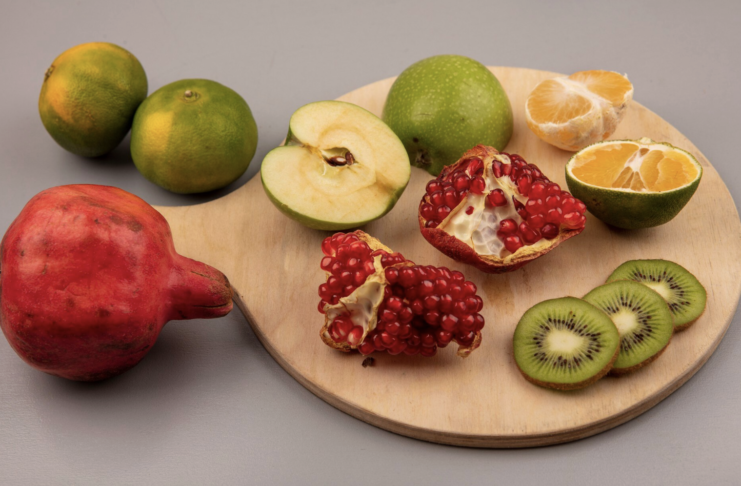
The fruit bowl you trust may be quietly overloading a gut that no longer processes fructose the way it used to.
KEY STATISTICS
- Up to 40% of adults experience fructose malabsorption, with onset most common between the ages of 30 and 45, according to research published in the American Journal of Gastroenterology.
- Gut enzyme activity, including sucrase and lactase, declines measurably from your mid-30s onward, reducing the small intestine’s ability to absorb simple sugars efficiently, per NIH-funded digestive research.
- A 2022 study in Cell Metabolism found that fructose consumed in whole fruit still raises blood glucose more significantly in adults over 35 compared to those under 30, particularly in sedentary individuals.
You swapped the biscuits for a fruit bowl and felt virtuous about it — but somewhere around 35, that mango or bowl of grapes started leaving you bloated, foggy, and hungrier an hour later. It is not in your head, and it is not a food intolerance you need to panic about. It is a metabolic shift that most people in their mid-thirties are never told about.
How Fructose Works Now
Fructose is absorbed in the small intestine through a protein transporter called GLUT5. Unlike glucose, which moves efficiently into the bloodstream, fructose relies heavily on this single transport channel — and that channel has a strict capacity limit.
When fructose intake exceeds GLUT5 capacity, the overflow travels to the large intestine, where gut bacteria ferment it. This fermentation produces hydrogen gas, short-chain fatty acids, and other byproducts that cause bloating, cramping, and loose stools in sensitive individuals.
Meanwhile, the fructose that does reach the liver is converted to fat through a process called de novo lipogenesis. Research from the NIH shows this conversion accelerates with age, meaning more dietary fructose ends up stored as liver fat rather than used for energy in adults over 35.
Why Your 30s Change Everything
Between the ages of 35 and 45, the gut lining begins to thin gradually, and the density of GLUT5 transporter proteins decreases. This means your small intestine’s threshold for absorbing fructose without overflow drops, even if your diet has not changed at all.
Enzyme production also slows during this window. Sucrase, which breaks down the sucrose in fruit into its glucose and fructose components before absorption, is produced in lower quantities as intestinal cell turnover slows with age.
Hormonal shifts compound the problem. Declining oestrogen in women and fluctuating testosterone in men affect gut motility — the speed at which food moves through the digestive tract. Slower motility means fructose sits longer in the gut, increasing fermentation time and symptom severity.
Warning Signs To Watch
- Bloating or visible abdominal distension within 30 to 90 minutes of eating fruit, particularly mangoes, apples, pears, watermelon, or grapes
- A sharp energy spike followed by a crash and increased hunger within one to two hours of a fruit-heavy meal or smoothie
- Loose stools or urgent bowel movements after consuming more than one serving of high-fructose fruit in a single sitting
- Brain fog, fatigue, or low mood after fruit-heavy breakfasts — a sign of blood sugar volatility rather than sustained fuel
- Persistent gas or rumbling in the lower abdomen even when you have eaten what you consider a clean, healthy diet
What Actually Helps Now
The most effective first step is not eliminating fruit — it is choosing lower-fructose options more often. Berries, kiwi, citrus fruits, and bananas (slightly underripe) contain significantly less fructose per serving than mangoes, apples, pears, and grapes, and are far better tolerated by a gut with reduced GLUT5 capacity.
Portion control matters more after 35 than it did in your 20s. Keeping fruit servings to one cup or less at a time, rather than stacking multiple high-fructose fruits in a single smoothie, prevents the overflow that triggers fermentation and blood sugar spikes.
Pairing fruit with protein or fat slows gastric emptying, which reduces the speed at which fructose hits the small intestine. A handful of almonds with your fruit, or full-fat Greek yoghurt, dramatically changes the glycaemic and digestive response.
Timing also plays a meaningful role. Eating fruit earlier in the day — when insulin sensitivity is higher and gut motility is faster — allows better absorption with fewer symptoms than consuming it late at night when both slow down.
Your Action Plan Checklist
- Switch high-fructose fruits (mango, apple, pear, watermelon, grapes) to lower-fructose options (berries, kiwi, oranges, underripe banana) for two weeks and track your symptoms
- Cap fruit servings at one cup per sitting and avoid stacking multiple fruits in smoothies or fruit salads
- Always pair fruit with a protein or fat source — Greek yoghurt, nuts, seeds, or a boiled egg — to slow fructose absorption
- Eat fruit before 2pm when possible, aligning intake with your peak insulin sensitivity and digestive efficiency window
- Keep a 7-day food and symptom diary noting fruit type, quantity, timing, and any bloating, energy crashes, or bowel changes — share this with your GP or dietitian if symptoms persist
The Gut Bacteria Connection
There is a layer to this story that goes beyond enzymes and transporters. The composition of your gut microbiome — the trillions of bacteria living in your large intestine — shifts significantly in your mid-30s, and this directly affects how unabsorbed fructose is fermented.
A microbiome with healthy populations of Bifidobacterium and Lactobacillus tends to ferment excess fructose more gently, producing less gas and more beneficial short-chain fatty acids like butyrate. But decades of processed food, antibiotic use, and low-fibre eating erode these bacterial populations, leaving more disruptive bacteria to dominate the fermentation process.
This means two people eating the same fruit salad can have completely different responses based on their gut microbiome health. Supporting your microbiome with prebiotic foods — cooked and cooled oats, leeks, garlic, and green banana — can gradually improve fructose tolerance by cultivating the bacterial strains that handle it best.
Bottom Line
Fruit is not the enemy, but after 35, your gut genuinely processes it differently — and ignoring that shift means blaming stress or digestion for symptoms that have a clear dietary explanation. Choose lower-fructose fruits, pair them with protein, eat them earlier in the day, and rebuild the microbiome that makes the whole system work better. Small, specific changes here will deliver noticeable results within two to three weeks.
Always consult a qualified healthcare provider before making changes to your health routine.
Sources
- Fructose malabsorption and symptoms of irritable bowel syndrome: guidelines for effective dietary management — Journal of the American Dietetic Association
- Intestinal fructose transport and malabsorption in humans — American Journal of Physiology — Gastrointestinal and Liver Physiology
- Dietary fructose and the metabolic syndrome — Current Opinion in Gastroenterology, NIH
- Age-related changes in gastrointestinal motility and enzyme activity — Alimentary Pharmacology and Therapeutics

