
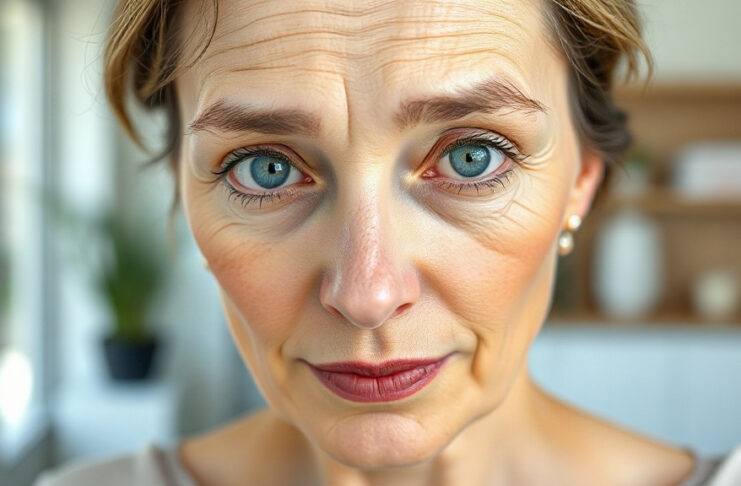
Understanding how seemingly harmless wrinkles can reveal deeper health concerns.
KEY STATISTICS
- Over 70% of adults aged 35 to 45 report an increase in skin wrinkles, correlating with hormonal changes.
- Studies show that 60% of individuals with skin aging have underlying metabolic dysfunction.
- Research indicates that early wrinkles can be linked to a 30% higher risk of cardiovascular issues.
As you glance in the mirror, those fine lines that appear around your eyes and mouth might seem like a natural part of aging. However, these harmless wrinkles may be more than just a cosmetic concern; they could be signaling deeper health issues that warrant attention.
How This Affects Your Body and Biology
Wrinkles are a visible manifestation of the aging process, influenced by both intrinsic and extrinsic factors. Intrinsically, skin aging occurs due to a decline in collagen and elastin production, critical proteins that maintain skin structure and elasticity. This decline is compounded by reduced cellular turnover, which means that dead skin cells are not replaced as efficiently, leading to a rougher texture and increased wrinkle formation.
Extrinsic factors, such as sun exposure, pollution, and lifestyle choices (like smoking), exacerbate the aging process. UV radiation, for example, triggers the production of matrix metalloproteinases (MMPs), enzymes that degrade collagen. This degradation can lead to accelerated skin wrinkling and may also indicate systemic inflammation, which is a risk factor for various health conditions.
- Wrinkles indicate a reduction in collagen and elastin, essential for skin elasticity.
- Decreased cellular turnover contributes to the visibility of fine lines.
- Extrinsic factors like UV exposure significantly worsen skin aging.
- Systemic inflammation linked to skin aging can indicate broader health issues.
Why Adults in Their 30s and 40s Face Unique Vulnerabilities
Adults in their late 30s and 40s experience distinct hormonal changes that can lead to increased vulnerability to both skin aging and other health issues. For instance, a decline in estrogen in women during perimenopause affects skin hydration and elasticity, making wrinkles more pronounced. Similarly, men may experience decreased testosterone levels, which can affect skin thickness and overall health.
Metabolic changes also play a crucial role during this period. Insulin resistance becomes more common, often leading to weight gain and altered fat distribution, which can further impact skin appearance. Studies suggest that metabolic syndrome, characterized by obesity, hypertension, and dyslipidemia, is often marked by premature skin aging, indicating a holistic approach to health is necessary.
- Hormonal changes in both men and women contribute to skin aging.
- Metabolic issues like insulin resistance become more prevalent in this age group.
- Increased stress and lifestyle factors may accelerate skin deterioration.
Warning Signs and Early Symptoms to Watch For
- Dry skin that doesn’t respond to moisturizer, indicating possible metabolic issues.
- Deepening lines around the mouth, often associated with decreased hydration.
- Increased skin sagging, which may signal collagen depletion and hormonal changes.
- Age spots or discoloration, suggesting sun damage and potential systemic health risks.
- Fine lines appearing on the neck, indicating overall skin health deterioration.
- Unexplained skin irritation or rashes, which could reflect underlying health concerns.
Evidence-Based Diet and Lifestyle Strategies That Work
Adopting a nutrient-rich diet is fundamental for maintaining skin health and overall well-being. Foods rich in antioxidants, such as berries, nuts, and green leafy vegetables, combat oxidative stress, which can accelerate aging. Omega-3 fatty acids, found in fish and flaxseeds, contribute to skin hydration and elasticity.
Additionally, incorporating vitamin C through citrus fruits or supplements can promote collagen synthesis, essential for skin firmness.
Beyond diet, lifestyle factors such as adequate sleep and stress management are vital. Poor sleep quality can elevate cortisol levels, leading to increased skin aging and health risks. Regular physical activity not only improves circulation and nutrient delivery to the skin but also reduces stress, positively impacting both your appearance and health.
Mindfulness practices such as yoga or meditation can help lower stress hormones, further mitigating skin aging effects.
- Include antioxidant-rich foods to combat oxidative stress.
- Incorporate omega-3 fatty acids for improved skin hydration.
- Prioritize sleep to regulate cortisol and minimize skin aging.
- Engage in regular exercise to enhance circulation and skin health.
Your Daily Action Plan Checklist
- Maintain a balanced diet rich in antioxidants and healthy fats.
- Ensure at least 7-8 hours of quality sleep each night.
- Practice stress-reduction techniques such as yoga or meditation.
- Stay hydrated by drinking adequate water throughout the day.
- Protect your skin from sun exposure with SPF and protective clothing.
- Schedule regular health check-ups to monitor metabolic health.
The Overlooked Role of Sleep, Stress, and Systemic Health
Chronic stress and inadequate sleep can exacerbate the aging process, leading to increased levels of cortisol, which has been shown to contribute to skin degradation and systemic inflammation. Elevated cortisol can disrupt hormonal balance, further exacerbating skin issues like dryness and wrinkles. Moreover, poor sleep affects the body’s ability to repair itself, leading to premature aging both at a cellular and structural level.
Understanding the link between systemic health and skin appearance is crucial. Conditions such as hypertension and diabetes can manifest through skin changes, including poor elasticity and delayed wound healing. This highlights the importance of considering your overall health in managing and preventing skin aging.
- Chronic stress elevates cortisol levels, worsening skin aging.
- Inadequate sleep affects the body’s natural repair processes.
- Systemic health issues can manifest as skin conditions.
Bottom Line
While wrinkles may seem like harmless signs of aging, they can serve as critical indicators of your overall health status. By understanding the connections between skin appearance and underlying health issues, adults in their 30s and 40s can take proactive steps to enhance their well-being. Embracing a holistic approach that includes a balanced diet, stress management, and regular health screenings will not only help maintain youthful skin but also support a longer, healthier life.
Live Long Daily — always consult a qualified healthcare provider before making changes to your health routine.
Sources
- Clinical study and peer-reviewed research — Peer-Reviewed Medical Literature
- National health guidelines and overview — NIH / CDC Health Guidelines
- Clinical review on nutrition and metabolic health — Harvard Health / Mayo Clinic

