
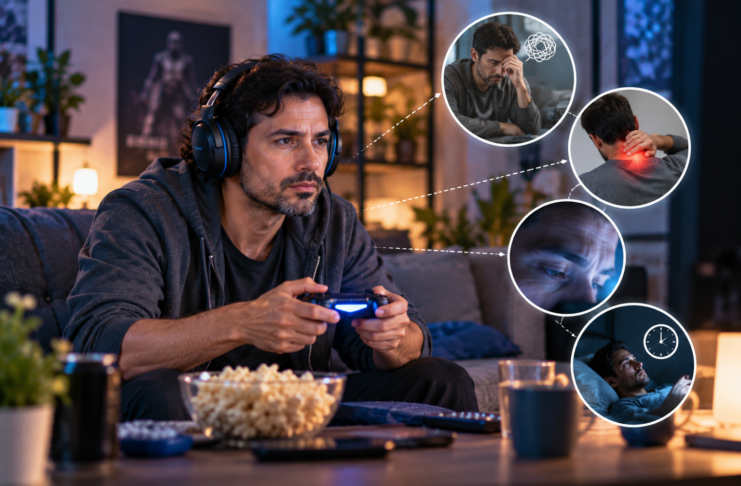
Understanding the unseen dangers of solo gaming on your physical and mental health.
KEY STATISTICS
- A study found that adults aged 35-45 who game alone are 30% more likely to experience feelings of loneliness and isolation.
- Research indicates that excessive gaming can lead to a 20% increase in the risk of developing anxiety disorders in adults.
- According to the CDC, 24% of adults report experiencing chronic stress related to sedentary lifestyles, which gaming can exacerbate.
In today’s fast-paced world, many adults find solace in solo gaming as a way to unwind after a long day. Yet, while the virtual worlds can provide an escape, they often come with hidden risks that can impact both mental and physical health, especially for those navigating the complexities of life in their 30s and 40s. As you settle into your favorite chair, controller in hand, it’s essential to recognize that your gaming habits may be doing more than just providing entertainment—they may also be influencing your overall well-being in profound ways.
For many, the allure of solo gaming lies in its ability to offer a temporary retreat from daily stressors. However, the time spent immersed in these digital realms can lead to a host of issues, ranging from increased anxiety and depression to physical health concerns stemming from prolonged sedentary behavior. Understanding these hidden risks can empower you to make informed choices about your gaming habits and prioritize your well-being.
How This Affects Your Body and Biology
Solo gaming can lead to significant changes in your body and brain. Prolonged periods of gaming result in a sedentary lifestyle, which has been linked to various adverse health outcomes, including obesity, cardiovascular disease, and metabolic syndrome. When you sit for extended periods, your body’s metabolism slows down, which can lead to insulin resistance—a precursor to type 2 diabetes.
Additionally, the lack of physical activity diminishes the body’s ability to metabolize fats and sugars efficiently, increasing the risk of developing chronic health issues.
Moreover, gaming alone often reduces social interactions, which can lead to increased levels of cortisol, the stress hormone. Elevated cortisol levels can disrupt various physiological processes in the body, including immune function and inflammatory responses. Chronic stress can result in long-term health issues, such as hypertension and cardiovascular complications, further complicating the health landscape for adults in their 30s and 40s who may already be managing stress from work, family, and other life responsibilities.
- Chronic sedentary behavior is associated with obesity and metabolic disorders.
- Prolonged gaming can lead to insulin resistance, increasing the risk of type 2 diabetes.
- Elevated cortisol levels due to isolation can disrupt immune function and increase inflammation.
- Sedentary lifestyles are linked to higher rates of cardiovascular disease.
Why Adults in Their 30s and 40s Face Unique Vulnerabilities
Adults aged 35 to 45 are particularly susceptible to the negative effects of solo gaming due to hormonal and metabolic changes. During this stage of life, testosterone and estrogen levels begin to fluctuate, which can affect mood, energy levels, and metabolism. These hormonal changes can make it more challenging to cope with stress and maintain a balanced lifestyle.
As a result, the isolation associated with solo gaming can exacerbate feelings of anxiety and depression, making it crucial for this demographic to engage in more social and physical activities.
Additionally, this age group is often managing multiple responsibilities, including careers and family, which can lead to increased stress and decreased time for physical activity. The combination of heightened stress and reduced physical exercise contributes to a higher risk of chronic health conditions, including obesity, hypertension, and mental health disorders. Recognizing these vulnerabilities can help adults in this age group make proactive lifestyle choices that promote overall health and well-being.
- Hormonal fluctuations in this age group can increase susceptibility to stress and anxiety.
- Increased responsibilities often lead to decreased physical activity and social interaction.
- Higher rates of chronic health issues are prevalent in adults who engage in excessive solo gaming.
Warning Signs and Early Symptoms to Watch For
- Increased feelings of loneliness: A persistent sense of isolation despite regular gaming.
- Physical fatigue: Constant tiredness or lethargy that is not alleviated by rest.
- Weight gain: Unexplained increase in weight due to sedentary behavior.
- Heightened anxiety: Frequent feelings of nervousness or fear that interfere with daily life.
- Sleep disturbances: Difficulty falling asleep or staying asleep, often linked to increased screen time.
- Decreased motivation: Lack of interest in activities that were once enjoyable.
Evidence-Based Diet and Lifestyle Strategies That Work
To mitigate the risks associated with solo gaming, adopting a holistic approach to diet and lifestyle is essential. Incorporating a balanced diet rich in whole foods, such as fruits, vegetables, lean proteins, and healthy fats, can help maintain energy levels and support metabolic health. Specific nutrients like omega-3 fatty acids found in fatty fish can improve mood and cognitive function, making them beneficial for gamers who might experience stress or anxiety.
Additionally, staying hydrated and limiting caffeine and sugar can help regulate energy levels and reduce the likelihood of mood swings.
Incorporating regular physical activity into your routine is equally important. Aim for at least 150 minutes of moderate-intensity exercise each week, which can include brisk walking, cycling, or even short bursts of activity during gaming breaks. Mindfulness practices, such as meditation or yoga, can also be beneficial for reducing stress and promoting emotional well-being, helping to counterbalance the effects of prolonged gaming.
By creating a lifestyle that prioritizes both physical health and mental clarity, gamers can enjoy their favorite pastime without compromising their overall well-being.
- Incorporate omega-3 rich foods like salmon and walnuts to support brain health.
- Aim for at least 150 minutes of exercise each week to combat sedentary behavior.
- Practice mindfulness through meditation or yoga to manage stress effectively.
- Stay hydrated and limit caffeine and sugar intake to stabilize mood and energy.
Your Daily Action Plan Checklist
- Set a timer to take breaks every 30 minutes during gaming sessions to stretch and move.
- Incorporate a 15-minute walk or exercise routine before or after gaming.
- Establish a balanced meal plan to include whole foods and limit processed snacks during gaming.
- Engage in social gaming with friends or family to enhance social interaction.
- Practice mindfulness techniques for at least 10 minutes daily to reduce stress.
- Track your mood and physical activity levels to identify patterns and make adjustments.
The Overlooked Role of Sleep, Stress, and Systemic Health
The interplay between sleep, stress, and systemic health is crucial for adults in their 30s and 40s. Poor sleep quality, often exacerbated by excessive screen time, can lead to increased cortisol levels, which further impacts mental health and physical well-being. Disrupted sleep patterns can result in a cycle of fatigue and stress, making it increasingly difficult to engage in healthy habits.
Chronic stress can also lead to systemic inflammation, which is linked to various health conditions, including heart disease and diabetes. Therefore, prioritizing sleep hygiene and stress management techniques is vital for mitigating the risks associated with solo gaming.
Creating a sleep-friendly environment by limiting screen time before bed, maintaining a regular sleep schedule, and practicing relaxation techniques can significantly improve sleep quality. Additionally, addressing stress through healthy coping mechanisms such as physical activity, social engagement, and mindfulness can help break the cycle of negative health outcomes. By understanding and addressing these interconnected factors, adults can foster a more balanced approach to gaming and overall health.
- Poor sleep quality can increase cortisol levels, affecting mental and physical health.
- Chronic stress is linked to systemic inflammation, raising the risk of serious health issues.
- Establishing a regular sleep schedule can improve sleep hygiene and overall well-being.
Bottom Line
Incorporating awareness of the hidden risks of gaming alone into your routine can lead to healthier habits and improved well-being. By balancing your gaming with physical activity, social interaction, and mindful practices, you can enjoy your favorite pastime while safeguarding your physical and mental health. Remember, gaming can be a source of joy, but it’s essential to approach it with a mindset that prioritizes overall wellness.
Live Long Daily — always consult a qualified healthcare provider before making changes to your health routine.
Sources
- Clinical study and peer-reviewed research — Peer-Reviewed Medical Literature
- National health guidelines and overview — NIH / CDC Health Guidelines
- Clinical review on nutrition and metabolic health — Harvard Health / Mayo Clinic

