
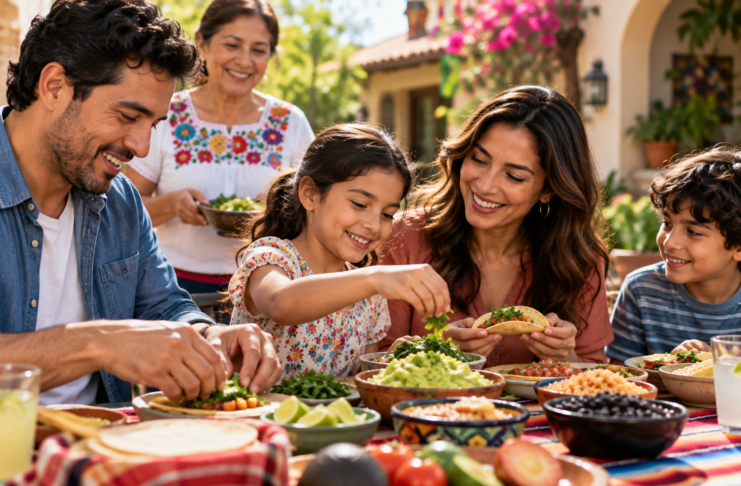
Exploring the surprising health benefits and resilience of Hispanic immigrants in the United States.
KEY STATISTICS
- Hispanic immigrants have a life expectancy that is approximately 3 years longer than non-Hispanic whites, according to CDC data.
- Studies show that Hispanic immigrants are less likely to suffer from chronic conditions like diabetes and hypertension, with prevalence rates 20% lower than their non-Hispanic counterparts.
- Despite socioeconomic challenges, over 60% of Hispanic immigrants report a high level of satisfaction with their health and well-being.
Imagine waking up each day with a sense of purpose, vibrant energy, and a community that thrives on shared traditions and support. For many Hispanic immigrants, this is not just a dream but a reality that significantly contributes to their overall health and longevity. While the journey of immigration can be fraught with challenges, it also brings unique health benefits that are often overlooked.
How This Affects Your Body and Biology
Research indicates that the health advantages seen in Hispanic immigrants may be attributed to a combination of factors, including dietary habits, social support, and cultural practices. Biologically, these elements can lead to better metabolic health and lower incidences of chronic diseases. For example, the traditional Hispanic diet, rich in fresh fruits, vegetables, whole grains, and lean proteins, is associated with reduced rates of obesity and diabetes.
Additionally, the social cohesion found in many Hispanic communities fosters mental health and encourages physical activity, which further promotes overall well-being.
- Hispanic diets often emphasize whole, nutrient-dense foods that can help manage weight and reduce disease risk.
- Social support networks in Hispanic communities provide emotional and practical assistance, enhancing mental health.
- Cultural practices often promote active lifestyles, contributing to lower rates of sedentary behavior.
- Genetic factors may also play a role in the resilience of Hispanic immigrants to certain chronic diseases.
Why Adults in Their 30s and 40s Face Unique Vulnerabilities
As adults enter their late 30s and early 40s, they face distinct health challenges that can be exacerbated by lifestyle factors and metabolic changes. Hormonal fluctuations, especially in women, can lead to increased fat deposition and weight gain. Metabolic rates also begin to slow, which can predispose individuals to weight-related health issues.
For Hispanic immigrants, these changes can be compounded by the stressors associated with acculturation and socioeconomic status, creating a complex interplay of risks.
- Hormonal changes can lead to weight gain, particularly around the abdomen, increasing cardiovascular risk.
- Stress related to work and family responsibilities can elevate cortisol levels, contributing to metabolic syndrome.
- Cultural barriers may hinder access to preventive healthcare services, increasing vulnerability to chronic diseases.
Warning Signs and Early Symptoms to Watch For
- Unexplained weight gain, especially around the waist, can indicate metabolic changes.
- Chronic fatigue or lack of energy might signal underlying health issues.
- Frequent headaches or migraines could be a sign of heightened stress or hormonal changes.
- Increased thirst and frequent urination may indicate early signs of diabetes.
- Mood swings or increased anxiety levels can be linked to stress or hormonal imbalances.
- Persistent digestive issues, such as bloating or irregular bowel movements, may reflect dietary sensitivities.
Evidence-Based Diet and Lifestyle Strategies That Work
For Hispanic immigrants, adopting evidence-based dietary strategies can significantly enhance health outcomes. Emphasizing a diet rich in fiber from fruits, vegetables, and whole grains can help regulate blood sugar levels and lower cholesterol. Incorporating omega-3 fatty acids from fish and walnuts can also support heart health.
Additionally, staying active through community-oriented exercise programs not only promotes physical health but also strengthens social bonds, which is critical for emotional well-being. Practicing mindful eating and cooking traditional meals with a health-conscious approach can help maintain cultural ties while promoting better health.
- Incorporate a variety of colorful fruits and vegetables to ensure a broad range of nutrients.
- Opt for lean proteins like chicken, fish, and beans to support muscle health without excess saturated fat.
- Stay hydrated and limit sugary beverages, as they contribute to weight gain and chronic diseases.
- Engage in physical activities that foster community connections, such as group exercise classes or dance.
Your Daily Action Plan Checklist
- Plan weekly meals that focus on fresh, whole foods and minimize processed items.
- Set aside at least 30 minutes a day for physical activity, whether it’s walking, dancing, or engaging in sports.
- Monitor your weight and health metrics regularly to identify changes early.
- Prioritize sleep by establishing a consistent bedtime routine that promotes quality rest.
- Stay connected with family and friends to foster social support, which is crucial for mental health.
- Schedule regular check-ups with healthcare providers to stay ahead of potential health issues.
The Overlooked Role of Sleep, Stress, and Systemic Health
The importance of sleep cannot be overstated, particularly for adults in their 30s and 40s. Insufficient sleep can lead to hormonal imbalances, increased stress levels, and a greater likelihood of chronic illnesses. Additionally, chronic stress—often experienced by immigrants due to adjustment challenges—can elevate cortisol levels, leading to weight gain, hypertension, and a host of other health issues.
Fostering a lifestyle that prioritizes sleep hygiene and stress management is essential for mitigating these risks and enhancing overall quality of life.
- Quality sleep is vital for hormonal regulation and metabolic health.
- Chronic stress can exacerbate existing health conditions and lead to new ones.
- Mindfulness and stress-reduction techniques can enhance resilience against health challenges.
Bottom Line
Navigating the journey of health as a Hispanic immigrant presents both unique challenges and remarkable opportunities. By embracing traditional dietary practices, leveraging community support, and prioritizing self-care, individuals can harness these strengths to overcome health vulnerabilities. This path not only promotes personal well-being but also enriches the broader community, fostering a culture of health and longevity.
Live Long Daily — always consult a qualified healthcare provider before making changes to your health routine.
Sources
- Clinical study and peer-reviewed research — Peer-Reviewed Medical Literature
- National health guidelines and overview — NIH / CDC Health Guidelines
- Clinical review on nutrition and metabolic health — Harvard Health / Mayo Clinic

