
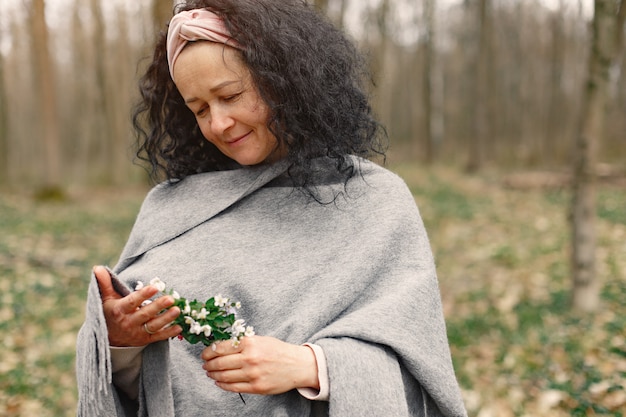
Unlocking Longevity: The Power of Gratitude
In a world where the pursuit of longevity often involves cutting-edge scientific advancements and rigorous lifestyle modifications, the simple act of practicing gratitude emerges as a surprisingly potent factor. This age-old practice, which transcends cultures and philosophies, is now being backed by science as a mechanism that can potentially extend one’s lifespan. But how does a feeling of thankfulness translate into years added to our lives? Let us delve into the science behind it and explore practical ways to incorporate gratitude into our daily routine.
The Science of Thankfulness
The connection between gratitude and health is an area of burgeoning interest within the scientific community. At its core, gratitude is believed to enhance emotional resilience and reduce stress, both of which are critical components of long-term health. Neurobiologically, gratitude practices are known to activate regions in the brain associated with dopamine release—often referred to as the “feel-good” neurotransmitter. This not only boosts mood but also fosters a cascade of physiological benefits.
Research has shown that gratitude can lower blood pressure, improve sleep quality, and enhance immune function. A landmark study further suggests that individuals who regularly practice gratitude have lower levels of inflammatory biomarkers, such as C-reactive protein, which is associated with a plethora of chronic diseases. By mitigating these risk factors, gratitude practices offer a protective shield against ailments that can curtail lifespan.
Integrating Gratitude Daily
Integrating gratitude into your life need not be an arduous task. Here are some practical steps to cultivate this transformative practice:
- Start a Gratitude Journal: Dedicate a few minutes each day to write down three things you are grateful for. This simple act can shift your focus from negative to positive aspects of your life.
- Express Appreciation: Make it a habit to thank someone each day. Whether it’s a heartfelt note or a simple verbal acknowledgment, expressing gratitude can deepen social bonds.
- Mindful Meditation: Incorporate gratitude into your meditation practice by focusing on things you are thankful for. This can enhance mindfulness and emotional well-being.
- Gratitude Visualizations: Spend a few minutes visualizing moments or people you are grateful for. This can evoke a sense of warmth and positivity.
Synergizing with Nutrition
The benefits of gratitude can be further amplified when combined with nutrition and lifestyle choices that support overall health. A diet rich in antioxidants, omega-3 fatty acids, and vitamins can enhance brain function and emotional well-being, making it easier to maintain a grateful mindset. Foods like dark leafy greens, nuts, seeds, and fatty fish can support neuroplasticity and reduce inflammation, creating a fertile ground for gratitude to flourish.
Moreover, regular physical activity complements gratitude by releasing endorphins and reducing stress hormones. Practices like yoga and tai chi, known for their meditative components, can synergize well with gratitude exercises to promote a balanced and healthy lifestyle.
Gratitude’s Ripple Effect
Over time, the practice of gratitude can lead to profound transformations in one’s life. Individuals who maintain a grateful outlook are more likely to engage in health-promoting behaviors, have stronger social networks, and possess a more robust psychological resilience. These factors collectively contribute to a higher quality of life and increased longevity.
Longitudinal studies have demonstrated that gratitude is associated with a lower risk of developing mental health disorders, such as depression and anxiety, which are known to impact physical health and lifespan negatively. By cultivating gratitude, we not only enhance our well-being but also create a positive feedback loop that encourages lifelong wellness.
Conclusion: A Gratitude-Filled Life
In conclusion, gratitude is more than a mere emotion—it is a powerful catalyst for health and longevity. By understanding its scientific underpinnings and integrating practical gratitude practices into our daily lives, we can unlock its full potential. The path to a longer, healthier life may very well begin with a simple “thank you.” As we navigate the complexities of modern life, let gratitude be the compass that guides us toward a future of vitality and well-being.
Sources
The Role of Gratitude in Mental Health
Harvard Health: Gratitude and Happiness
Gratitude and Health: Mechanisms and Benefits
Gratitude and Well-being: A Review

