
Friday, March 13, 2026

Creating Valuable Content

Is it Safe to Get Botox? When it is done in an incorrect manner, what kinds of potential problems could you run into?

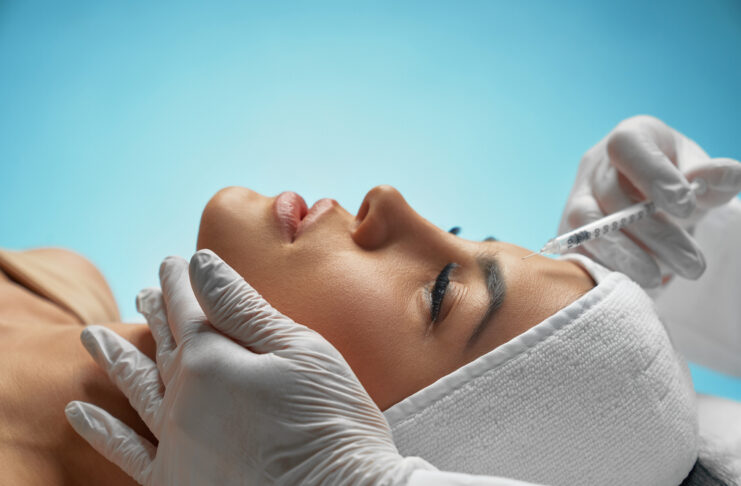
Botox has had a meteoric rise in popularity over the past few years as a non-surgical cosmetic therapy that promises to eliminate wrinkles and fine lines. Botox has been approved for use in cosmetic operations since 2002, and since then, millions of people all over the world have had the procedure done each year. Even though a great number of people have reported favorable results from Botox treatments, there are still questions regarding the drug’s safety if it is administered in an improper manner. This article discusses the safety of receiving Botox injections, the potential hazards that are associated with the process, and the significance of selecting a practitioner who is qualified and has experience in the field.

Having comprehension What precisely is Botox?

The bacteria Clostridium botulinum is responsible for the production of the neurotoxin known as Botulinum Toxin, more commonly known as Botox. Botox can temporarily paralyze some muscles and reduce the appearance of wrinkles and creases on the face when it is injected in low doses under medical supervision. It is a popular method for treating wrinkles in the forehead, the crow’s feet, the frown lines, and other areas of the face.
Botox and Its Relative Risks
When used for cosmetic purposes under the supervision of an experienced and educated medical expert, botox is regarded to be risk-free. This treatment has been given approval by the Food and Drug Administration (FDA) of the United States for use in a variety of medicinal and cosmetic applications. However, just as with any other type of medical operation, there is always the possibility of adverse effects, particularly if the therapy is not carried out properly.
Possible Risks Involved if Something Goes Wrong
If it is administered incorrectly, Botox can have a number of undesirable and perhaps severe effects, including the following:

Weakness in the Muscles

Botox causes temporary muscle weakness since it acts by inhibiting nerve signals that are sent to the muscles. If it is injected incorrectly, it might impact the muscles in the surrounding area, which can result in drooping eyelids, lopsided grins, or trouble expressing emotions through the face. Even while side effects are typically only temporary, they can nonetheless cause the patient a great deal of discomfort.

Bruising and Swelling:

Incorrect injection techniques can cause bruising and swelling at the injection site. This should be avoided by using as little pressure as possible. It’s possible that the region will look a little irritated and red. If the injection site is managed incorrectly, even though these side effects are often moderate and pass away within a few days, they have the potential to become more severe.

Bleeding:

Just like bruising, mild bleeding that is visible at the injection site may occur after Botox has been administered. This is a common side effect of Botox. When the needle punctures your skin, it may accidently nick a tiny capillary or vein, which results in blood emerging from the injection site. This phenomenon is typical because of this possibility. This bleeding is typically not serious and it stops very quickly. However, if the bleeding continues for a significant amount of time after the Botox injection, this is a sign that the injection was not performed correctly.

Allergic Reactions:

Although it is extremely uncommon, it is possible for some people to have an allergic reaction to Botox. The symptoms may be as little as itching and a rash, or they may be as serious as difficulty breathing and swelling of the face, tongue, or throat. Before undergoing the operation, it is imperative that any allergies be disclosed to the healthcare expert who will be treating you.

Spread of Toxin:

The Toxin Can Spread If the Botox toxin travels beyond the intended injection location, it can cause unexpected muscular paralysis in other areas of the face or body. This can be a very serious side effect. This may take place if the practitioner has not had adequate training or if they do not adhere to the required injection practices.

Infection:

Just like with any other type of injection, there is a possibility of infection at the site of the Botox injection. Infections can be painful, produce redness and swelling, and in more serious situations, they may necessitate medical treatment. Therefore, sterile procedures and appropriate disinfection are essential in order to reduce the likelihood of this risk.

Ptosis:

Ptosis, also known as drooping eyelid, is a potential adverse reaction that can occur after receiving Botox injections around the eyes. If the poison travels to the levator palpebrae superioris muscle, which is responsible for lifting the eyelid, this condition may develop. Ptosis can have an adverse effect on one’s vision, which may necessitate the use of extra treatment to correct.

Even while Botox injections are generally safe when administered by medical professionals who have the necessary training and experience, there are still some potential dangers and disadvantages associated with the operation if it is carried out in an improper manner. Because of this, it is really necessary for people who are thinking about getting Botox treatments to do extensive research and pick a trained healthcare expert who has a track record of success.

 

Share Post

Related Articles

Anti‑Inflammatory Foods for Hormones

Introduction Inflammation is a natural immune response that helps the body heal from injury or infection. However, chronic low‑grade inflammation can affect many systems in the body, including hormone regulation. Hormones control important functions such as metabolism, energy balance, mood, and reproductive health. Diet plays a key role in supporting hormonal balance because certain foods may help reduce inflammation and promote overall metabolic health.How Inflammation Affects Hormones Long‑term inflammation can influence several hormones involved in metabolism and stress regulation. For example, inflammation may affect insulin sensitivity, cortisol levels, and other metabolic signals. According to the National Institutes of Health, chronic inflammation is linked with metabolic changes that can influence hormone activity. Reducing inflammation through balanced nutrition may help support healthier hormone function.Fatty Fish and Omega‑3 Fatty Acids Fatty fish such as salmon, sardines, and mackerel contain omega‑3 fatty acids, which are known for their anti‑inflammatory properties. Potential benefits include: Supporting heart health Helping regulate inflammatory responses Supporting metabolic balanceThe American Heart Association notes that omega‑3 fatty acids help support cardiovascular and metabolic health.Leafy Green Vegetables Leafy greens such as spinach, kale, and Swiss chard contain antioxidants, fiber, and micronutrients that help support immune and metabolic function. Benefits may include: Supporting detoxification processes Providing antioxidants that help reduce oxidative stress Supporting overall hormone balanceThese vegetables are also rich in magnesium, a mineral involved in many biochemical reactions in the body.https://youtu.be/g8yjCwo6CuM Berries and Antioxidants Berries such as blueberries, strawberries, and raspberries are rich in antioxidants that help protect cells from oxidative damage. According to the Harvard Health Publishing, antioxidant‑rich foods may help reduce inflammation and support overall health. Berries may help: Support immune health Protect cells from oxidative stress Promote balanced metabolic functionNuts and Seeds Nuts and seeds provide healthy fats, fiber, and plant compounds that support metabolic health. Examples include: Walnuts Almonds Chia seeds FlaxseedsThese foods contain nutrients that support heart health and may help regulate inflammation.Olive Oil and Healthy Fats Extra virgin olive oil is a key component of the Mediterranean diet, which has been widely studied for its health benefits. It contains compounds with anti‑inflammatory properties and healthy monounsaturated fats. The World Health Organization highlights balanced dietary patterns rich in healthy fats and plant foods as beneficial for long‑term health.Spices with Anti‑Inflammatory Properties Certain spices contain natural compounds that may help regulate inflammation. Examples include: Turmeric – contains curcumin...

Blood Sugar Swings in Midlife

Introduction Many people notice changes in their energy levels and metabolism during midlife. One common factor behind these changes is blood sugar fluctuation. Blood sugar swings can affect energy, mood, concentration, and overall metabolic health. Hormonal shifts, changes in body composition, sleep patterns, and lifestyle habits can all influence how the body regulates glucose during the 40s and 50s.How Blood Sugar Is Regulated Blood sugar (glucose) provides energy for the body’s cells. The hormone insulin helps move glucose from the bloodstream into cells where it can be used for energy. According to the National Institute of Diabetes and Digestive and Kidney Diseases, insulin plays a central role in maintaining healthy blood sugar levels. When this system works well: Blood sugar rises after meals Insulin helps cells absorb glucose Blood sugar gradually returns to normal levelsDisruptions in this balance may lead to noticeable swings in energy.Why Blood Sugar Changes During Midlife Several biological changes can influence glucose regulation in midlife. Common contributing factors include: Reduced insulin sensitivity Hormonal changes such as declining estrogen or testosterone Loss of muscle mass Changes in physical activity levels Increased stress levelsThe National Institutes of Health notes that metabolism and hormone regulation naturally change as people age.https://youtu.be/jpBuzAJCOl4 Symptoms of Blood Sugar Fluctuations Blood sugar swings may cause a range of noticeable symptoms. Possible signs include: Sudden fatigue Increased hunger or cravings Difficulty concentrating...

Under‑Eye Changes After 45

Introduction The skin around the eyes is one of the most delicate areas of the face. As people move into their mid‑40s and beyond, changes in skin structure, hydration, and circulation can make under‑eye concerns more noticeable. Common changes may include fine lines, puffiness, dark circles, or mild skin laxity. These changes are often influenced by natural aging processes, hormonal shifts, lifestyle habits, and environmental exposure. Understanding why under‑eye changes occur can help support healthier skincare routines and overall skin wellness.Thinner Skin and Collagen Loss The skin around the eyes naturally becomes thinner with age. Collagen and elastin—proteins responsible for skin firmness and elasticity—gradually decline over time. According to the National Institute on Aging, collagen production decreases as part of the natural aging process, which can contribute to fine lines and thinner skin. As collagen levels decline, the under‑eye area may show: Fine lines or wrinkles Increased skin transparency Slight sagging or loosenessThese structural changes often become more noticeable after the mid‑40s.Changes in Fat Distribution The face contains small fat pads that help maintain a smooth and youthful appearance. Over time, these fat pads may shift or reduce in volume. This can lead to: Under‑eye hollows More visible shadows Increased appearance of dark circlesFacial structure and genetics also influence how these changes appear.Reduced Skin Hydration As the skin matures, natural oil production decreases. This can affect the skin’s ability to retain moisture, especially in thinner areas such as under the eyes. The American Academy of Dermatology explains that aging skin tends to become drier due to reduced oil production. Reduced hydration may cause: More noticeable fine lines Slight roughness or dryness Reduced skin smoothnessMoisturizing ingredients can help support skin comfort.Circulation and Dark Circles Changes in circulation can also influence the appearance of the under‑eye area. Because the skin is thin, underlying blood vessels may become more visible. This can contribute to: Dark or bluish under‑eye circles Puffiness or fluid retention Tired appearanceSleep quality, stress levels, and hydration may also influence these changes.https://youtu.be/RqC6X7aotlI Lifestyle Factors That Affect the Under‑Eye Area Several everyday habits can influence the appearance of under‑eye skin. Helpful habits include: Getting consistent sleep Staying hydrated Managing stress levels Using daily sun protection Maintaining balanced nutritionThe Harvard...