
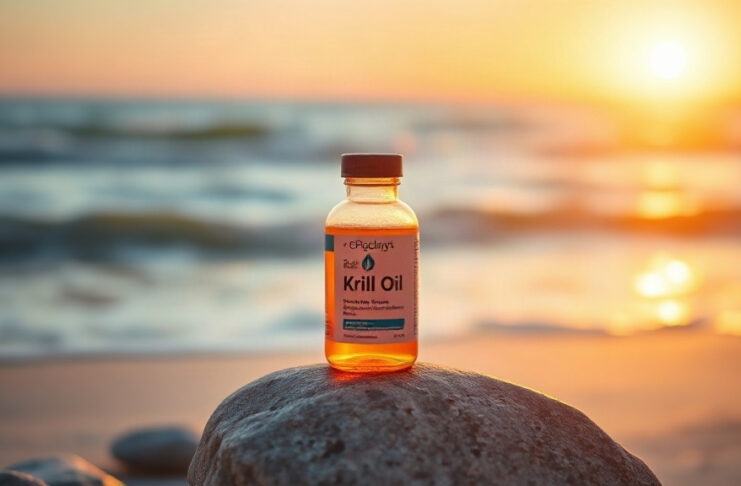
Unlock the potential of krill oil to support your journey towards graceful aging and enhanced vitality.
KEY STATISTICS
- A clinical trial found that krill oil supplementation can reduce inflammation markers by up to 30%.
- Research indicates that 60% of adults in their 30s and 40s report joint discomfort, which krill oil may alleviate.
- Studies show that omega-3 fatty acids, including those from krill oil, can improve cognitive function by 15% in middle-aged adults.
As you navigate life in your late 30s and 40s, you may start noticing subtle yet impactful changes in your body. From joint stiffness to a dip in energy levels, these signs can be frustrating and worrisome, prompting a search for effective solutions that align with your goal of aging gracefully. Enter krill oil, a potent source of omega-3 fatty acids that might just hold the key to maintaining your health and vitality as you age.
Rich in nutrients and antioxidants, krill oil has garnered attention as a supplement that not only supports joint and heart health but may also play a role in preserving cognitive function. Understanding how this unique oil can benefit you is crucial as you consider how best to support your body through the aging process.
How This Affects Your Body and Biology
Krill oil is derived from tiny crustaceans and is renowned for its high concentration of omega-3 fatty acids, primarily eicosapentaenoic acid (EPA) and docosahexaenoic acid (DHA). These fatty acids are essential for various bodily functions, including reducing inflammation, promoting heart health, and supporting brain function. The omega-3s in krill oil are bound to phospholipids, which enhance their absorption compared to traditional fish oil, allowing for more efficient delivery to cells throughout the body.
Additionally, krill oil contains astaxanthin, a powerful antioxidant that helps protect against oxidative stress and inflammation. Oxidative stress is a significant contributor to age-related diseases, and by minimizing its impact, krill oil can help mitigate the wear and tear on your cells. This dual action—providing essential fatty acids while combating oxidative stress—makes krill oil a compelling option for those looking to age well and maintain their overall health.
- Omega-3 fatty acids in krill oil support cardiovascular health by reducing triglycerides and blood pressure.
- Phospholipid-bound omega-3s enhance cellular absorption, maximizing health benefits.
- Astaxanthin’s antioxidant properties protect against oxidative damage and inflammation.
- Regular supplementation may lead to improved joint and skin health, reducing signs of aging.
Why Adults in Their 30s and 40s Face Unique Vulnerabilities
As adults enter their 30s and 40s, they often experience shifts in hormonal balance, metabolic rate, and cellular function. Hormonal changes, particularly a decline in estrogen and testosterone levels, can lead to increased fat accumulation, decreased muscle mass, and lower energy levels. These physiological changes can make it more challenging to maintain a healthy weight and active lifestyle, which are essential for aging well.
Moreover, the body’s ability to manage inflammation and oxidative stress diminishes with age, putting adults in this age group at a higher risk for chronic diseases such as cardiovascular issues, diabetes, and cognitive decline. Understanding these vulnerabilities allows individuals to take proactive steps in their health journey, making dietary choices and lifestyle adjustments that can help counteract these natural age-related changes.
- Declining hormone levels contribute to increased fat storage and muscle loss.
- Metabolic rate decreases, making weight management more challenging.
- Increased inflammation and oxidative stress heighten the risk of chronic diseases.
Warning Signs and Early Symptoms to Watch For
- Joint Pain: Persistent discomfort, especially in the knees and hips, can indicate inflammation and joint wear.
- Fatigue: Unexplained tiredness can signify nutritional deficiencies or metabolic changes.
- Memory Lapses: Difficulty concentrating or remembering names may signal cognitive decline.
- Skin Changes: Increased dryness or wrinkles can indicate decreased collagen production.
- Mood Swings: Heightened irritability or mood changes can be linked to hormonal fluctuations.
- Digestive Issues: Regular bloating or discomfort may be a sign of dietary imbalances.
Evidence-Based Diet and Lifestyle Strategies That Work
Incorporating krill oil into your daily routine can be a game changer, but it should be paired with holistic lifestyle strategies for optimal results. A diet rich in omega-3s, antioxidants, and fiber is essential. Foods such as fatty fish, nuts, seeds, fruits, and vegetables should be staples in your meals.
Aim to consume at least two servings of fatty fish per week to complement your krill oil intake.
Additionally, regular physical activity is crucial for counteracting the effects of aging. Engaging in strength training and cardiovascular exercise at least three times a week can help maintain muscle mass and boost metabolism. Mindfulness practices, such as yoga or meditation, can also help manage stress, which is a significant contributor to inflammation and chronic disease risk.
Together, these strategies create a comprehensive approach to healthy aging.
- Incorporate a variety of omega-3-rich foods into your diet, such as salmon, walnuts, and flaxseeds.
- Engage in regular strength training exercises to support muscle maintenance.
- Practice mindfulness techniques to reduce stress and promote mental wellness.
- Stay hydrated and prioritize a balanced diet to enhance nutrient absorption.
Your Daily Action Plan Checklist
- Take a daily krill oil supplement as recommended by your healthcare provider.
- Incorporate at least two servings of omega-3-rich fish into your weekly meals.
- Engage in at least 150 minutes of moderate exercise weekly.
- Practice mindfulness or stress-reduction techniques daily.
- Stay hydrated by drinking at least eight glasses of water a day.
- Limit processed foods and added sugars to reduce inflammation.
The Overlooked Role of Sleep, Stress, and Systemic Health
In addition to dietary and lifestyle changes, the quality of your sleep plays a pivotal role in how well you age. Poor sleep can exacerbate inflammation and hormonal imbalances, leading to a host of health issues. Aim for 7-9 hours of restorative sleep each night to support optimal metabolic and cognitive functions.
Furthermore, chronic stress can elevate cortisol levels, which is linked to increased fat storage and muscle breakdown. Implementing stress management techniques is vital for maintaining a healthy balance in your body and mind.
By prioritizing sleep and managing stress, you can enhance the benefits of krill oil and other healthy practices. This holistic approach not only supports physical health but also contributes to emotional well-being, creating a foundation for a more vibrant and fulfilling life as you age.
- Aim for 7-9 hours of quality sleep each night to support recovery and hormonal balance.
- Practice stress management techniques to reduce cortisol levels and inflammation.
- Consider the impact of chronic stress on overall health and take proactive measures.
Bottom Line
Aging gracefully is a multifaceted pursuit that involves not just what you eat, but how you live. Krill oil represents an innovative supplement that can enhance your health by supporting joint, heart, and cognitive function. By combining krill oil with a nutrient-rich diet, regular exercise, and mindful practices, you can empower yourself to navigate the challenges of aging while thriving in your 30s and 40s.
Embrace this journey with knowledge and proactive habits, and you may discover that aging well is more attainable than you think.
Live Long Daily — always consult a qualified healthcare provider before making changes to your health routine.
Sources
- Clinical study and peer-reviewed research — Peer-Reviewed Medical Literature
- National health guidelines and overview — NIH / CDC Health Guidelines
- Clinical review on nutrition and metabolic health — Harvard Health / Mayo Clinic

