
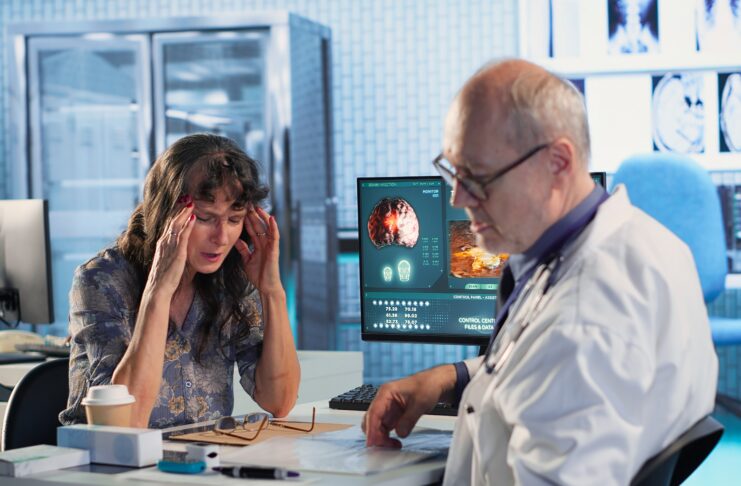
False health claims trigger psychological responses that override logical thinking
KEY STATISTICS
- 67% of adults believe at least one piece of health misinformation they’ve encountered online
- Medical misinformation spreads 6 times faster than accurate health information on social media
- 42% of people who believe health misinformation avoid necessary medical care within two years
You pride yourself on being smart and rational, yet that Facebook post about miracle cures made you second-guess your doctor’s advice. Health misinformation doesn’t just spread false facts — it rewires how your brain processes medical decisions. Understanding this psychological hijacking is the first step to protecting yourself from dangerous health choices.
How Misinformation Hijacks Thinking
When you encounter health misinformation, your brain’s threat detection system activates before your logical reasoning kicks in. The amygdala — your brain’s alarm center — treats scary health claims as immediate dangers requiring urgent action. This emotional response floods your system with stress hormones that actually impair your ability to think critically.
False health information often exploits cognitive biases that make misinformation feel more credible than facts. Confirmation bias leads you to seek information that supports what you already fear or believe. The availability heuristic makes recent, dramatic stories feel more important than statistical evidence.
Repetition creates the illusion of truth in your brain. When you see the same false claim multiple times across different platforms, your neural pathways strengthen these connections. Your brain interprets familiarity as accuracy, even when the information is completely wrong.
Why This Generation’s Vulnerable
Adults in their thirties and forties face unique vulnerabilities to medical misinformation during this high-stress life stage. Career pressures, family responsibilities, and early health concerns create anxiety that makes dramatic health claims more appealing. You’re old enough to worry about aging but young enough to believe you can prevent it with the right hack.
This age group often lacks established relationships with healthcare providers, making online sources feel more accessible than scheduling appointments. You’re digital natives comfortable with internet research but may lack the medical literacy to distinguish credible sources from misleading ones. Time constraints lead to quick health decisions based on headlines rather than comprehensive research.
Social media algorithms specifically target health-anxious adults with sensational medical content because it generates high engagement. Your online behavior patterns — searching for symptoms, reading health articles, joining wellness groups — create a profile that misinformation peddlers exploit with targeted advertising.
Red Flags You’re Influenced
- You find yourself questioning established medical treatments after reading online posts
- You delay or avoid medical appointments because internet sources suggest alternatives
- You feel anxious or fearful about medical procedures you previously accepted
- You share health information without verifying the source or credentials
- You trust testimonials and personal stories more than scientific studies
Building Information Resistance
Building resistance to medical misinformation starts with strengthening your critical thinking habits around health information. Before sharing or acting on health claims, pause and check the source credentials, publication date, and whether the information comes from established medical institutions. Look for peer-reviewed studies rather than anecdotal evidence or testimonials.
Develop a trusted network of healthcare providers before you need them urgently. Establish relationships with a primary care physician, and don’t hesitate to ask questions about conflicting health information you encounter online. Medical professionals can help you distinguish between legitimate emerging research and unfounded claims.
Curate your information diet by following reputable health organizations and unfollowing accounts that regularly share sensational or fear-based health content. Most major medical institutions publish accessible, evidence-based health information that addresses common concerns without resorting to scare tactics or miracle promises.
Your Protection Checklist
- Verify health claims through official medical organization websites before believing or sharing
- Schedule annual check-ups with healthcare providers to build trusted professional relationships
- Unfollow social media accounts that regularly post unverified health information
- Practice the 24-hour rule — wait a full day before acting on alarming health information
- Ask your doctor about any concerning health claims you encounter online
The Decision Paralysis Problem
The stress of constantly encountering conflicting health information creates a phenomenon called decision paralysis that can harm your actual health outcomes. When overwhelmed by contradictory medical advice online, many people simply avoid making any health decisions at all. This paralysis leads to delayed preventive care, skipped screenings, and postponed treatment for real health issues.
Chronic exposure to health misinformation also erodes your confidence in your body’s natural healing abilities and your healthcare providers’ expertise. This learned helplessness makes you more susceptible to expensive alternative treatments and supplements that promise easy solutions to complex health problems. The psychological burden of constant health anxiety can manifest as physical symptoms, creating a cycle where misinformation literally makes you feel sick.
Bottom Line
Medical misinformation exploits your brain’s natural protective mechanisms, making false health claims feel urgent and credible even when they’re dangerous nonsense. Your best defense is building strong relationships with qualified healthcare providers and developing habits that prioritize verified medical sources over sensational online content. Protecting your mental health means protecting yourself from the psychological manipulation that drives health misinformation to spread.
Always consult a qualified healthcare provider before making changes to your health routine.
Sources
- The Psychology of Medical Misinformation — JAMA Internal Medicine
- Social Media and Health Misinformation Spread — Harvard Health Publishing
- Cognitive Bias in Health Decision Making — British Medical Journal

