
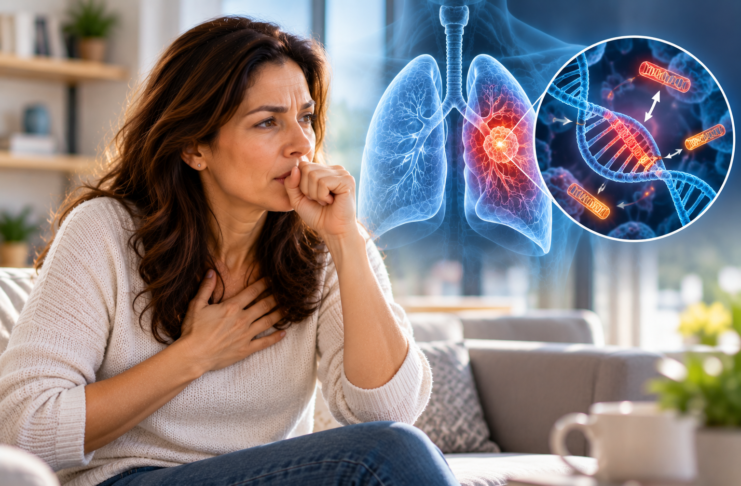
Exploring the hidden impact of mobile DNA elements on lung cancer risk and prevention strategies for mid-life adults.
KEY STATISTICS
- Approximately 85% of lung cancers are attributed to smoking, with mobile DNA elements potentially influencing tumor development.
- Studies show that up to 50% of lung cancers harbor mutations caused by mobile DNA elements, indicating their significant role in carcinogenesis.
- Men have a 1 in 15 chance of developing lung cancer, while women have a 1 in 17 chance, highlighting the need for awareness and early detection strategies.
Imagine waking up one morning with a persistent cough and chalking it up to allergies or a lingering cold. You go about your daily life—juggling work, family, and personal commitments—until that cough becomes more pronounced, accompanied by shortness of breath that refuses to fade. For many adults in their late 30s and early 40s, these symptoms could signal something far more serious: lung cancer, a disease increasingly linked to complex genetic factors, including mobile DNA elements that may alter how our cells behave.
As you sip your morning coffee, consider the intricate dance of your DNA, which is not as static as once believed. Mobile DNA elements, such as transposons and retrotransposons, can jump around within our genome, potentially disrupting normal cellular functions and leading to cancer. Understanding these rogue elements is crucial for adults navigating their health in mid-life, especially as they confront the realities of cancer risk and prevention.
How This Affects Your Body and Biology
Mobile DNA elements, often referred to as ‘jumping genes,’ can significantly impact cellular integrity and function. These elements can insert themselves into critical genes, disrupting normal cellular processes and leading to uncontrolled cell growth. In lung cancer, certain mobile DNA elements have been implicated in the activation or silencing of oncogenes and tumor suppressor genes, which play pivotal roles in tumor development.
As these mobile elements proliferate, they can also cause genomic instability, promoting the accumulation of mutations that are characteristic of cancer cells. This instability can lead to the activation of pathways that drive tumor growth, making lung cancer an increasingly multifaceted disease that is not solely influenced by environmental factors like smoking but also by our genetic makeup and its unpredictable changes.
- Mobile DNA elements can disrupt normal gene functions, leading to tumorigenesis.
- They contribute to genomic instability, increasing the likelihood of mutations.
- Certain mobile DNA elements are known to activate oncogenes linked to lung cancer.
- Their role in lung cancer highlights the interaction between genetics and environment.
Why Adults in Their 30s and 40s Face Unique Vulnerabilities
Adults in their 30s and 40s encounter a unique convergence of biological factors that heighten their risk for lung cancer. As metabolism begins to slow and hormonal changes take place, the body becomes less adept at repairing DNA damage. This inefficiency can lead to the accumulation of mutations from both environmental exposures and mobile DNA elements, making this demographic particularly vulnerable.
Moreover, with lifestyle factors such as smoking or exposure to pollutants more prevalent among this age group, the impact of mobile DNA elements may be exacerbated. The combination of reduced cellular repair mechanisms and increased exposure to carcinogens can create a perfect storm for the development of lung cancer, underscoring the importance of awareness and preventive strategies in mid-life.
- Hormonal changes can impair DNA repair processes, leading to increased mutation rates.
- Environmental exposures, such as smoking and pollution, are more common in this age group.
- Metabolic slowdowns can affect overall cellular health and resilience against cancer.
Warning Signs and Early Symptoms to Watch For
- Persistent cough: A cough that lasts longer than three weeks, especially if it worsens over time.
- Shortness of breath: Difficulty breathing or experiencing breathlessness during normal activities.
- Chest pain: Unexplained pain in the chest area, which may worsen with deep breaths or coughing.
- Wheezing: A whistling sound while breathing, indicating potential airway obstruction.
- Unexplained weight loss: Losing weight without trying, which can be a sign of underlying health issues.
- Fatigue: Constant tiredness or lack of energy that interferes with daily life.
Evidence-Based Diet and Lifestyle Strategies That Work
Incorporating nutrient-rich foods and adopting healthy lifestyle strategies is crucial for lung cancer prevention. A diet high in antioxidants, particularly fruits and vegetables, can combat oxidative stress and support cellular health. Cruciferous vegetables such as broccoli, kale, and Brussels sprouts contain compounds that may help regulate the expression of mobile DNA elements.
Regular physical activity also plays a vital role; exercise has been shown to enhance immune function and improve overall health. Moreover, maintaining a healthy weight can reduce the risk of developing lung cancer. Mindful eating practices, such as reducing processed foods and sugars, can further support lung health and mitigate cancer risk.
- Incorporate a variety of fruits and vegetables, particularly cruciferous ones, into your diet.
- Engage in regular physical activity, aiming for at least 150 minutes of moderate exercise each week.
- Maintain a healthy weight through balanced nutrition and active living.
- Limit processed foods and refined sugars to reduce inflammation and oxidative stress.
Your Daily Action Plan Checklist
- Schedule regular health check-ups, including lung function tests if at risk.
- Incorporate at least five servings of fruits and vegetables into your daily meals.
- Engage in physical activities that you enjoy for at least 30 minutes most days.
- Stay informed about lung cancer risks and recent research developments.
- Avoid smoking and limit exposure to secondhand smoke and environmental pollutants.
- Practice stress-reduction techniques, such as meditation or yoga, to improve overall health.
The Overlooked Role of Sleep, Stress, and Systemic Health
The health of our lungs and the risk of lung cancer are intricately linked to our overall systemic health, including sleep and stress management. Poor sleep quality disrupts circadian rhythms, which can affect cellular repair processes and immune functions, leading to increased vulnerability to cancer. Chronic stress elevates cortisol levels, which can impair immune response and promote inflammation, further contributing to cancer risk.
To mitigate these effects, prioritizing sleep hygiene and effective stress-management strategies is essential. Simple practices such as maintaining a consistent sleep schedule, creating a restful sleep environment, and engaging in regular relaxation techniques can enhance overall health and potentially lower lung cancer risk.
- Prioritize quality sleep to support cellular repair and immune function.
- Manage stress through relaxation techniques and mindfulness practices.
- Understand the links between chronic stress, inflammation, and cancer risk.
Bottom Line
Understanding the role of mobile DNA elements in lung cancer risk is crucial for adults in their 30s and 40s. By adopting healthy lifestyle practices, being aware of warning signs, and prioritizing overall well-being, you can empower yourself to make informed choices about your health. Remember, prevention is key, and knowledge is your best defense against lung cancer.
Live Long Daily — always consult a qualified healthcare provider before making changes to your health routine.
Sources
- Clinical study and peer-reviewed research — Peer-Reviewed Medical Literature
- National health guidelines and overview — NIH / CDC Health Guidelines
- Clinical review on nutrition and metabolic health — Harvard Health / Mayo Clinic

