
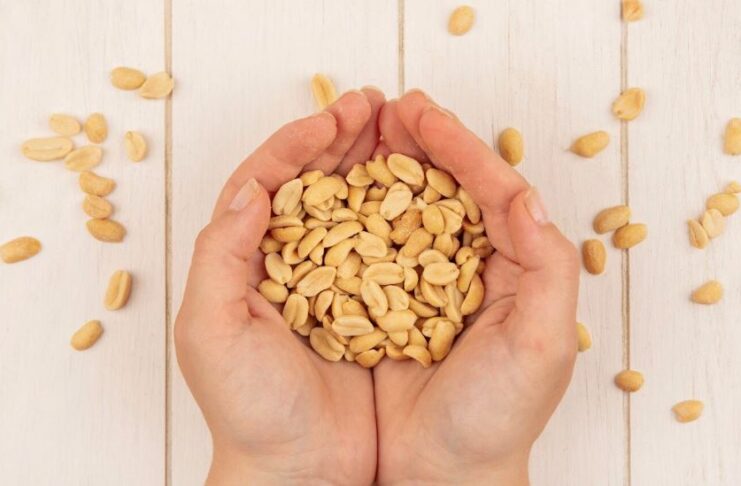
New research shows regular peanut consumption may seal a leaky gut and calm the systemic inflammation driving your IBS-like misery after 35.
KEY STATISTICS
- Approximately 11% of adults worldwide meet the diagnostic criteria for irritable bowel syndrome, with incidence rising sharply after age 35. (World Gastroenterology Organisation, 2022)
- A 2021 study published in the Journal of Nutrition found that adults consuming 28g of peanuts daily for 6 weeks showed measurable reductions in intestinal permeability markers compared to controls.
- Intestinal permeability — commonly called ‘leaky gut’ — is now linked to systemic inflammation, metabolic dysfunction, and mood disorders in adults over 35, according to research from the NIH.
You have cleaned up your diet, cut out processed food, and still feel bloated, foggy, and inflamed most afternoons. What if a humble handful of peanuts — something you probably already have in your kitchen — was one of the most clinically supported foods for repairing the gut barrier driving all of it? The science is more compelling than most people realise, and it is worth your full attention.
How Peanuts Heal Your Gut
Your intestinal lining is a single-cell-thick barrier that separates your bloodstream from the contents of your digestive tract. When that barrier weakens — through chronic stress, poor diet, alcohol, or aging — bacterial fragments and undigested proteins slip through, triggering a body-wide immune response known as systemic inflammation.
This process is called intestinal hyperpermeability, and it is far more common in adults over 35 than most clinicians acknowledge. Research from the NIH and independent gastroenterology institutions now confirms it is a root driver of fatigue, brain fog, skin flares, and IBS-like symptoms — not merely a side effect.
Peanuts contain a rare combination of nutrients that appear to directly support barrier integrity. They are rich in resveratrol, beta-sitosterol, and coumaric acid — polyphenols shown in vitro and in small human trials to reduce tight junction permeability, which is the molecular mechanism behind a leaky gut.
Peanuts also deliver significant prebiotic fibre, which feeds Lactobacillus and Bifidobacterium strains — the exact bacteria associated with producing short-chain fatty acids like butyrate. Butyrate is the primary fuel source for colonocytes, the cells lining your intestinal wall, and its production is directly linked to barrier strength and reduced mucosal inflammation.
Why Your Gut Weakens After 35
After 35, the production of secretory IgA — your gut’s first-line immune defence — begins to decline measurably. This leaves the intestinal lining more vulnerable to microbial imbalance, inflammation triggers, and structural weakening of the tight junctions that keep your gut wall sealed.
Cortisol levels also tend to remain chronically elevated in adults managing career pressure, family responsibilities, and disrupted sleep in their mid-thirties to mid-forties. Cortisol is one of the most well-documented disruptors of gut barrier function, and its sustained elevation accelerates the exact permeability changes that peanut polyphenols appear to help reverse.
Antibiotic use, common in adults managing dental work, infections, or chronic sinus issues, further depletes the microbiome diversity that a healthy gut barrier depends on. By the time most adults reach their late thirties, they are carrying years of cumulative microbiome disruption — making dietary repair strategies like regular peanut consumption meaningfully relevant.
Warning Signs To Watch
- Persistent bloating or gas that appears even after eating foods you previously tolerated well
- Fatigue that does not resolve with adequate sleep and feels worse after meals
- Skin issues such as eczema flares, rosacea, or unexplained rashes appearing in your thirties
- Recurring brain fog or poor concentration in the hours following eating
- Frequent loose stools or urgency alternating with constipation with no clear dietary cause
What Actually Helps Your Gut
The most practical starting point is adding one small handful of dry-roasted or raw peanuts — approximately 28g — to your daily routine. Research consistently uses this portion size, and it delivers around 2.5g of fibre, 7g of protein, and a meaningful dose of the polyphenols linked to barrier repair without pushing your total fat intake into problematic territory.
Timing appears to matter more than most people expect. Consuming peanuts with a meal rather than as a standalone snack has been shown in observational studies to reduce postprandial glycaemic response and support more stable gut motility — both of which reduce inflammatory signalling in the intestinal wall.
Natural peanut butter with no added sugar or hydrogenated oils delivers similar polyphenol content, making it a practical daily option. Two tablespoons stirred into oats or spread on whole grain toast at breakfast gives you the same active compounds without requiring any major dietary overhaul.
Pair peanut consumption with foods that support the same microbiome pathways — specifically fermented foods like live yoghurt or kefir, and prebiotic-rich vegetables like garlic, leeks, and onions. The combined effect on butyrate production is greater than peanuts alone, and the cumulative shift in gut barrier health becomes measurable within four to six weeks in most adults.
Your Gut Repair Action Plan
- Eat one 28g handful of raw or dry-roasted peanuts daily — with a meal, not on an empty stomach
- Choose natural peanut butter with no added sugar, oil, or salt as your default alternative on busy days
- Add one serving of fermented food — live yoghurt, kefir, or kimchi — alongside your peanut portion to amplify butyrate production
- Track your bloating, energy, and bowel patterns in a simple journal for four weeks to identify your personal response
- If you have a known tree nut allergy, confirm with your GP that peanuts — technically a legume — are safe for you before beginning
The Sleep Factor Nobody Mentions
One factor almost nobody connects to intestinal permeability is chronic sleep fragmentation — not total sleep deprivation, but the kind of broken, unrestorative sleep common in adults aged 35 to 45. Research from the journal Sleep Medicine Reviews found that even four nights of disrupted sleep measurably increased intestinal permeability markers in healthy adults, independent of diet.
This matters because you can eat peanuts daily and still see limited gut barrier improvement if your sleep architecture is consistently broken. The gut repairs its epithelial lining most actively during deep sleep stages, and cortisol spikes from poor sleep directly counteract the anti-inflammatory effects of the polyphenols you are consuming.
The practical fix is not complicated but it is non-negotiable: prioritise a consistent sleep window of seven to eight hours, reduce screen exposure in the final ninety minutes before bed, and consider magnesium glycinate supplementation — shown in several small trials to improve sleep continuity and independently support gut motility in adults over 35. Peanuts are a meaningful tool, but they work inside a system, and that system includes your sleep.
Bottom Line
Regular peanut consumption is one of the most accessible, evidence-supported strategies available for adults over 35 who are dealing with IBS-like symptoms, persistent bloating, or systemic inflammation without a clear diagnosis. The polyphenols, prebiotic fibre, and butyrate-stimulating compounds in a simple daily handful work on the exact biological mechanisms now understood to drive gut barrier dysfunction. Start with 28g a day, pair it with fermented foods and quality sleep, and give your gut four to six weeks to show you what consistent repair actually feels like.
Always consult a qualified healthcare provider before making changes to your health routine.
Sources
- Dietary Peanut Consumption and Markers of Intestinal Permeability in Adults with Functional Bowel Symptoms — Journal of Nutrition
- Intestinal Permeability and Its Regulation by Zonulin: Diagnostic and Therapeutic Implications — Clinical Gastroenterology and Hepatology
- Sleep Fragmentation and Gut Barrier Function: A Bidirectional Relationship — Sleep Medicine Reviews
- Polyphenols and the Gut Microbiome: Mechanisms Linking Diet to Intestinal Inflammation — Nature Reviews Gastroenterology and Hepatology
- Short-Chain Fatty Acids and Colonocyte Fuel: The Role of Prebiotic Fibre in Mucosal Immunity — NIH National Library of Medicine

