
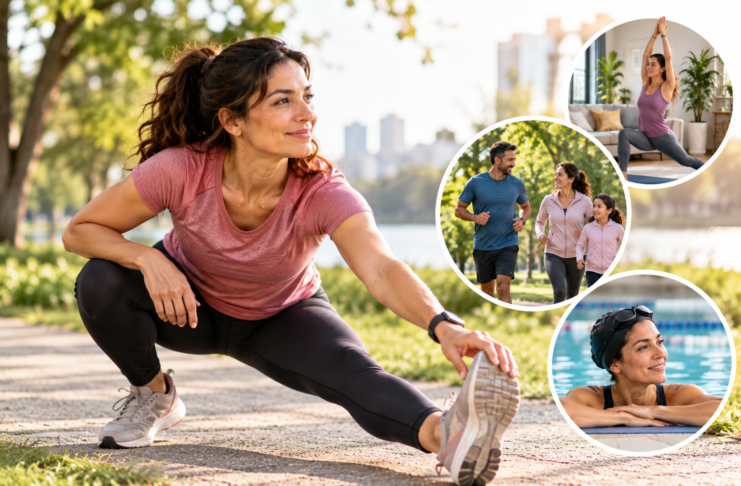
_Unlocking the essential skills for lifelong health and vitality in your 30s and 40s._
KEY STATISTICS
- According to the World Health Organization, only 23% of adults aged 18-64 meet the recommended levels of physical activity.
- A study published in the Journal of Aging and Physical Activity found that adults who engage in regular physical literacy practices reduce their risk of chronic diseases by up to 40%.
- Research from the National Institute of Health indicates that physical inactivity contributes to approximately 6% of global deaths annually.
In our fast-paced lives, finding time for physical activity often feels like an uphill battle, especially in your late 30s and 40s. Between work, family commitments, and social obligations, the idea of engaging in regular physical activity can seem daunting. However, the concept of physical literacy offers a transformative approach that empowers you to integrate movement into your daily routine, enhancing both your physical and mental well-being.
Physical literacy is not just about being able to perform sports or physical activities; it’s about understanding how movement works for your body and how you can make it a part of your life. This crucial skill set encompasses not only the ability to move effectively but also the confidence and motivation to engage in physical activities throughout your lifespan. As adults, developing your physical literacy can significantly impact your health, helping you navigate the challenges that come with aging and promoting longevity.
How This Affects Your Body and Biology
Physical literacy involves a sophisticated interplay of biological mechanisms that affect your muscles, bones, and overall physiology. At its core, it enhances neuromuscular coordination, which is essential for balance and agility. The central nervous system, particularly the brain and spinal cord, optimizes motor skills through practice and experience.
This neural adaptation not only improves movement efficiency but also reduces the risk of injury, which is crucial as we age. For instance, research in the Journal of Neurophysiology has shown that consistent engagement in varied physical activities can increase the density of neural pathways, leading to better coordination and faster reaction times.
Moreover, the impact of physical literacy extends to metabolic health. Engaging in diverse forms of physical activity helps regulate hormones such as insulin and cortisol, which are vital for maintaining energy levels and managing stress. According to the American Journal of Clinical Nutrition, regular physical activity can enhance insulin sensitivity, thereby lowering the risk of developing type 2 diabetes—a condition that becomes increasingly prevalent as we move through our 30s and 40s.
Understanding these biological mechanisms can motivate you to prioritize physical literacy as a means to safeguard your health.
- Physical literacy enhances neuromuscular coordination, improving balance and agility.
- Consistent engagement in physical activities increases the density of neural pathways.
- Physical activity helps regulate insulin and cortisol, critical for energy management.
- Improved movement efficiency reduces the risk of injury as we age.
Why Adults in Their 30s and 40s Face Unique Vulnerabilities
As you enter your 30s and 40s, your body undergoes significant hormonal and metabolic changes that can heighten the risk of health issues. One of the most notable changes is the gradual decline in testosterone and estrogen levels, which can lead to decreased muscle mass and increased fat accumulation. A study published in the Journal of Clinical Endocrinology & Metabolism highlights that men may experience a 1% yearly decline in testosterone levels starting in their 30s, while women face similar hormonal shifts during perimenopause.
These changes can affect energy levels, mood, and motivation to engage in physical activity.
In addition to hormonal changes, adults in this age group often experience a slowdown in metabolic rate. The National Institute of Health reports that metabolic rate can decrease by 2-4% per decade after the age of 30. This slowdown can lead to weight gain and increased risk of metabolic disorders.
Coupled with a busy lifestyle that often prioritizes work and family over self-care, adults may find it challenging to maintain an active lifestyle, which can exacerbate these vulnerabilities.
- Declining hormonal levels lead to decreased muscle mass and increased fat.
- Metabolic rate slows by 2-4% per decade after age 30.
- Busy lifestyles make it hard to prioritize physical activity.
Warning Signs and Early Symptoms to Watch For
- Persistent fatigue, which may indicate a lack of physical activity or hormonal imbalance.
- Unexplained weight gain, signaling a slowdown in metabolism or dietary habits.
- Decreased muscle strength or endurance, which can affect daily activities.
- Joint pain or stiffness, often a sign of inactivity or potential injury.
- Increased mood swings or anxiety, which may correlate with physical inactivity.
- Difficulty sleeping, often exacerbated by stress and lack of physical engagement.
Evidence-Based Diet and Lifestyle Strategies That Work
Incorporating physical literacy into your life requires a multifaceted approach that includes proper nutrition and lifestyle strategies. A balanced diet rich in whole foods—such as fruits, vegetables, whole grains, lean proteins, and healthy fats—provides the nutrients necessary to support your physical activities. Research published in the Journal of Nutrition indicates that a diet high in omega-3 fatty acids can reduce inflammation, enhance joint health, and improve recovery times, making it easier to maintain an active lifestyle.
Additionally, engaging in regular strength training exercises can counteract the effects of hormonal decline and metabolic slowdown. According to the American College of Sports Medicine, incorporating two to three days of resistance training per week can help preserve muscle mass and improve overall metabolic health. Pairing strength training with aerobic exercises, such as brisk walking or cycling, creates a well-rounded fitness regimen that supports cardiovascular health and enhances physical literacy.
- Adopt a balanced diet rich in whole foods to support physical activity.
- Include omega-3 fatty acids for reduced inflammation and better recovery.
- Engage in strength training 2-3 times per week to preserve muscle mass.
- Incorporate aerobic exercises to enhance cardiovascular health.
Your Daily Action Plan Checklist
- Set specific, achievable fitness goals tailored to your lifestyle.
- Incorporate at least 150 minutes of moderate aerobic activity each week.
- Schedule strength training sessions 2-3 times a week.
- Prioritize hydration, aiming for at least 8 glasses of water daily.
- Limit processed foods and refine sugars to maintain energy levels.
- Engage in mindful practices, such as yoga or meditation, to manage stress.
The Overlooked Role of Sleep, Stress, and Systemic Health
Sleep and stress management play critical roles in enhancing physical literacy. Research shows that poor sleep quality can significantly impair physical performance and recovery. The National Sleep Foundation emphasizes that adults should aim for 7-9 hours of quality sleep per night to optimize physical and mental health.
Sleep deprivation can lead to increased levels of cortisol, the stress hormone, which can further disrupt metabolic processes and hinder your ability to engage in physical activities effectively.
Chronic stress can also impact physical literacy by leading to sedentary behavior. A study published in the Journal of Psychosomatic Research found that individuals experiencing high levels of stress are more likely to engage in unhealthy coping mechanisms, such as overeating or avoiding physical activity altogether. Therefore, managing stress through mindfulness practices, adequate sleep, and supportive social connections can be essential for fostering a physically active lifestyle.
- Aim for 7-9 hours of quality sleep to optimize health.
- Manage chronic stress to prevent sedentary behavior.
- Utilize mindfulness practices to mitigate stress effects.
Bottom Line
Physical literacy is not merely a concept—it’s a vital skill set that enables you to take charge of your health as you navigate your 30s and 40s. By understanding the biological mechanisms behind movement and adopting practical lifestyle strategies, you can enhance your physical well-being, boost your confidence, and enjoy a more active, fulfilling life. Prioritize your physical literacy today, and pave the way for a healthier tomorrow.
Live Long Daily — always consult a qualified healthcare provider before making changes to your health routine.
Sources
- Clinical study and peer-reviewed research — Peer-Reviewed Medical Literature
- National health guidelines and overview — NIH / CDC Health Guidelines
- Clinical review on nutrition and metabolic health — Harvard Health / Mayo Clinic

