
Understanding Protein Requirements After 40
As we age, maintaining optimal health becomes a key focus, and nutrition plays a critical role in this endeavor. Among various nutrients, protein is particularly essential as it supports muscle maintenance, keeps our metabolism active, and aids in overall cell function. However, the question arises: how much protein is enough once we’ve crossed the 40-year milestone?
Why Protein is Essential After 40
Protein is often referred to as the building block of life. It is crucial for repairing tissues, making essential hormones, and supporting various bodily functions. As we age, our body undergoes changes that affect muscle mass, bone density, and metabolic rate. Protein intake plays a vital role in mitigating these changes by:
Maintaining Muscle Mass: With age, muscle mass tends to decreaseâ??a condition known as sarcopenia. Adequate protein intake helps in preserving muscle mass.
Supporting Bone Health: Protein contributes to bone integrity, important for reducing the risk of osteoporosis.
Enhancing Metabolism: Increased protein intake can help keep metabolism steady, which is beneficial for healthy weight management.
How Much Protein Do Adults Over 40 Really Need?
The amount of protein required can vary depending on individual activity levels, health conditions, and dietary preferences. Generally, experts suggest that adults should aim for 0.36 grams of protein per pound of body weight. However, some studies indicate that slightly increasing protein intake may offer additional benefits for those over 40.
Here is a simple guideline to consider:
Sedentary Lifestyle: For those who lead a less active lifestyle, sticking to the basic recommended daily allowance of around 0.36 grams per pound remains adequate.
Moderately Active: Individuals engaging in moderate physical activity might benefit from 0.5 to 0.6 grams of protein per pound of body weight.
Highly Active or Strength Training: For those involved in regular strength training, protein needs could increase to 0.7 to 0.8 grams per pound.
Protein Sources for a Balanced Diet
Incorporating a variety of protein sources is essential for ensuring a balanced diet. Both animal and plant-based proteins can contribute to daily protein goals. Here are some rich sources:
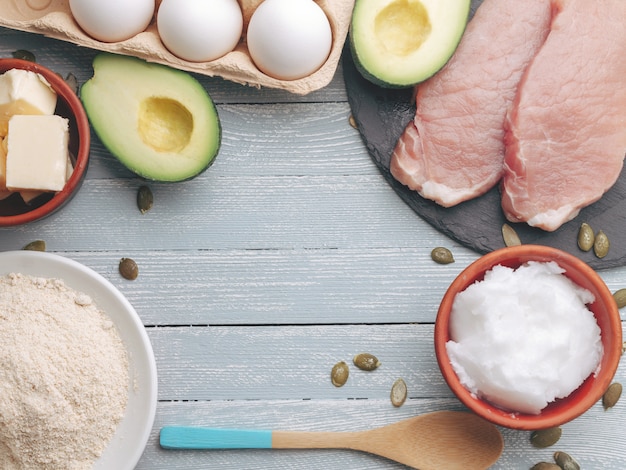
Animal-based: Poultry, fish, lean meat, eggs, and dairy products like yogurt and cheese are excellent sources of high-quality protein.
Plant-based: Beans, lentils, tofu, tempeh, quinoa, and nuts/seeds offer plant-based protein options, beneficial for heart health and cholesterol levels.
Considerations for Protein Supplementation
While many people can meet their protein needs through diet alone, some may consider protein supplements. This option can be practical for those with specific dietary preferences or restrictions. However, it’s crucial to choose high-quality products and consult a healthcare provider to align with nutritional goals.
Protein powders, bars, and ready-to-drink shakes can supplement daily intake, but they should not entirely replace whole food protein sources unless required by specific dietary needs or medical advice.
Takeaway
Meeting protein needs is a vital component of healthy aging. Although protein requirements can vary based on lifestyle and activity levels, ensuring adequate intake is essential for muscle maintenance, bone health, and metabolism. By incorporating a mix of both animal and plant-based protein sources, individuals over 40 can support their overall health and well-being. If considering supplements, it’s best to discuss options with a healthcare professional to ensure they fit into a balanced dietary plan.
Sources
For more on protein requirements and nutrition guidelines, consider accessing resources from reputable health organizations such as the World Health Organization and the British Nutrition Foundation. Additionally, consult scientific research articles for detailed insights into dietary protein needs as we age.

