
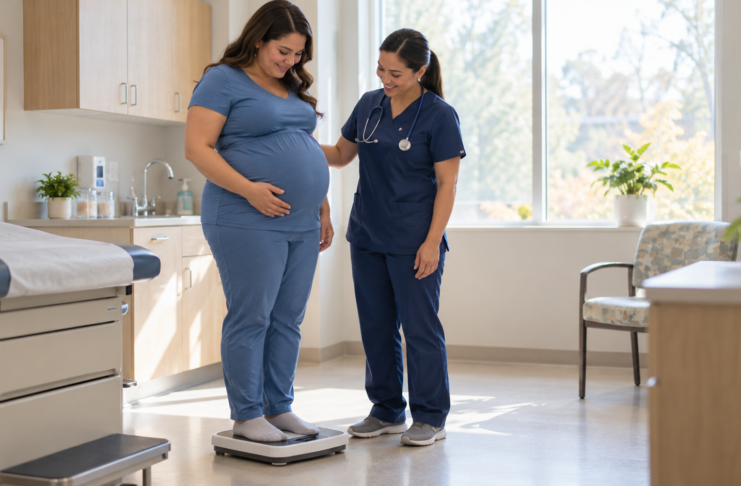
Exploring the nuanced relationship between body weight and maternal health during pregnancy.
KEY STATISTICS
- Over 50% of women in their 30s and 40s are classified as overweight or obese, which complicates pregnancy outcomes.
- Research indicates that women with a BMI over 30 are at a 70% higher risk for gestational diabetes.
- Studies show that 25% of pregnancies in women over 35 are complicated by hypertension or preeclampsia.
As women approach their 30s and 40s, many find themselves navigating the complex terrain of pregnancy and maternal health. With the onslaught of advice surrounding weight management and body image, the Body Mass Index (BMI) often takes center stage, but is it time to rethink its relevance? The conventional wisdom that links BMI directly to pregnancy success overlooks the nuanced realities many women face today.
How This Affects Your Body and Biology
BMI, a simple calculation of weight relative to height, has traditionally been used as a marker for health outcomes. However, it fails to account for the intricate biological responses during pregnancy. For instance, during gestation, women undergo significant metabolic changes that can alter body composition, including increased fat storage and fluid retention.
These changes are critical for fetal development and maternal health but can skew BMI readings, presenting a misleading picture of a woman’s fitness for pregnancy.
Moreover, research shows that visceral fat—fat stored around organs—plays a crucial role in metabolic health. Unlike subcutaneous fat, which is more benign, visceral fat can lead to inflammation and insulin resistance, contributing to pregnancy complications. Thus, a woman with a seemingly ‘healthy’ BMI could still have an unhealthy fat distribution, leading to negative outcomes such as gestational diabetes or preeclampsia.
- BMI does not differentiate between muscle and fat, potentially misclassifying healthy individuals.
- Visceral fat is a more significant risk factor for pregnancy complications than overall body weight.
- Hormonal changes during pregnancy can significantly impact metabolism and fat distribution.
- Metabolic health markers, such as blood sugar levels and lipid profiles, are more indicative of pregnancy outcomes than BMI.
Why Adults in Their 30s and 40s Face Unique Vulnerabilities
Women in their 30s and 40s often experience unique hormonal shifts that can complicate pregnancy. As estrogen and progesterone levels fluctuate, the body’s ability to process glucose and manage weight can be impacted. This age group is also more susceptible to conditions like polycystic ovary syndrome (PCOS) and thyroid disorders, which can further complicate weight management and fertility.
Additionally, metabolic rate tends to decline with age, making it more challenging for women to maintain a healthy weight. This reduction in metabolic rate can lead to increased fat accumulation, which may skew BMI calculations and affect overall health during pregnancy. The need for a holistic approach that considers metabolic health, lifestyle factors, and individual circumstances becomes paramount.
- Hormonal fluctuations can lead to weight gain and metabolic changes.
- Aging is associated with a decline in metabolic rate, complicating weight management.
- Conditions like PCOS are more prevalent in this demographic, impacting fertility and pregnancy.
Warning Signs and Early Symptoms to Watch For
- Unusual fatigue: Extreme tiredness that doesn’t improve with rest may indicate metabolic issues.
- Persistent nausea: Morning sickness that extends beyond the first trimester could signal complications.
- Rapid weight gain: Gaining more than the recommended amount in a short period can be a sign of gestational hypertension.
- Swelling: Significant swelling in hands and feet may indicate preeclampsia, especially when accompanied by headaches.
- Mood swings: Severe mood changes may point to underlying hormonal imbalances affecting mental health.
- Changes in vision: Blurred vision or seeing spots can be an early warning sign of hypertensive disorders.
Evidence-Based Diet and Lifestyle Strategies That Work
To support a healthy pregnancy, women in their 30s and 40s should focus on nutrient-dense foods that support metabolic health. Consuming a balanced diet rich in whole grains, lean proteins, and healthy fats can help regulate blood sugar levels and maintain a healthy weight. It’s essential to include foods high in omega-3 fatty acids, such as fatty fish and flaxseeds, which have been shown to support fetal brain development.
In addition to diet, regular physical activity is crucial. Engaging in moderate exercise, like walking or prenatal yoga, can help maintain a healthy weight, improve mood, and enhance overall well-being. Incorporating stress-reduction techniques, such as mindfulness or meditation, can also play a crucial role in managing hormonal balance and supporting a healthy pregnancy.
- Focus on whole foods rich in nutrients to support metabolic health.
- Incorporate healthy fats like omega-3s for fetal brain development.
- Practice regular moderate exercise to improve physical and mental well-being.
- Utilize stress management techniques to promote hormonal balance.
Your Daily Action Plan Checklist
- Track your dietary intake to ensure a balanced, nutrient-dense diet.
- Schedule regular prenatal check-ups to monitor metabolic health.
- Incorporate 30 minutes of moderate exercise most days of the week.
- Practice relaxation techniques, such as yoga or meditation, at least three times a week.
- Stay hydrated and aim for at least 8-10 glasses of water daily.
- Monitor any changes in your body and consult a healthcare provider if concerns arise.
The Overlooked Role of Sleep, Stress, and Systemic Health
Sleep is often undervalued but plays a significant role in hormonal balance and metabolic health during pregnancy. Poor sleep quality can lead to elevated cortisol levels, which negatively impact both maternal and fetal health. A regular sleep schedule helps regulate circadian rhythms and can improve insulin sensitivity, reducing the risk of gestational diabetes.
Chronic stress can also exacerbate health risks associated with pregnancy. Elevated cortisol from stress can affect blood pressure and glucose levels, leading to complications. Therefore, managing stress through lifestyle choices and sleep hygiene is essential for promoting a healthy pregnancy and minimizing risks.
- Quality sleep helps regulate hormones and improve metabolic health.
- Elevated cortisol due to stress can negatively impact pregnancy outcomes.
- A regular sleep schedule is crucial for maintaining overall health during pregnancy.
Bottom Line
Rethinking BMI’s role in pregnancy prompts a more holistic approach to maternal health. By focusing on individual metabolic markers, lifestyle factors, and emotional well-being, women can better navigate the complexities of pregnancy in their 30s and 40s. Prioritizing a balanced diet, regular exercise, proper sleep, and stress management can empower women to foster healthier pregnancies and ultimately enhance lifelong health outcomes.
Live Long Daily — always consult a qualified healthcare provider before making changes to your health routine.
Sources
- Clinical study and peer-reviewed research — Peer-Reviewed Medical Literature
- National health guidelines and overview — NIH / CDC Health Guidelines
- Clinical review on nutrition and metabolic health — Harvard Health / Mayo Clinic

