
The precise electrolyte formula that stops muscle cramps before they derail your workout
KEY STATISTICS
- Athletes lose 500-2,000mg of sodium per hour during intense exercise
- Muscle cramps occur in 39% of endurance athletes due to electrolyte imbalances
- Proper sodium intake before exercise reduces cramping risk by 60%
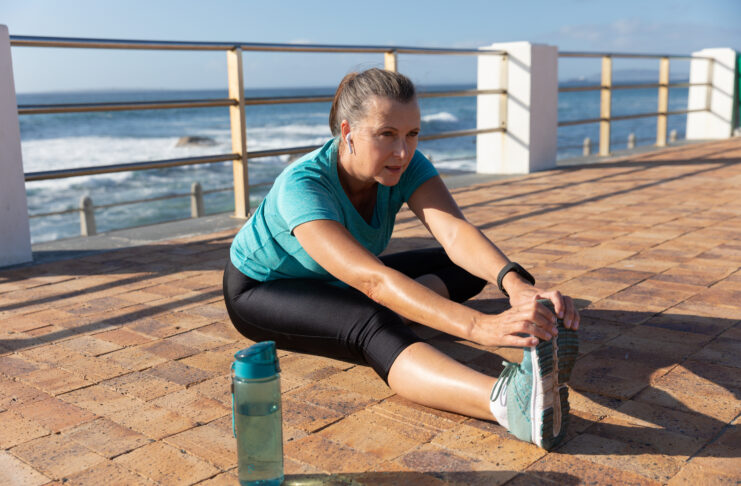
You’re halfway through your workout when that familiar sharp pain shoots through your calf muscle. The cramp forces you to stop, stretch, and wonder why this keeps happening despite drinking plenty of water. The answer isn’t just about hydration—it’s about getting your electrolyte ratios precisely right.
How Electrolytes Control Muscles
When you sweat, you lose more than just water—you’re depleting critical electrolytes that keep your muscles functioning properly. Sodium, potassium, magnesium, and chloride work together to maintain the electrical charges that trigger muscle contractions and relaxations.
Without proper electrolyte balance, your muscle cells can’t maintain their normal electrical activity. This disruption leads to involuntary contractions we experience as painful cramps.
The key isn’t just replacing what you lose, but timing the replacement correctly. Your body absorbs electrolytes most efficiently when they’re consumed in specific ratios and at strategic times around your workout.
Why Age Increases Risk
Adults over 35 face unique challenges that make proper electrolyte balance more critical than ever. Age-related changes in kidney function mean your body becomes less efficient at retaining sodium and regulating fluid balance. This makes you more susceptible to both dehydration and electrolyte imbalances during exercise.
Your sweat composition also changes with age, often containing higher concentrations of sodium. This means you’re losing more of this crucial electrolyte per drop of sweat compared to younger athletes.
Decreased muscle mass and slower recovery times compound the problem. When electrolyte-related cramps do occur, they tend to be more severe and take longer to resolve than they did in your twenties.
Early Warning Signs
- Muscle cramps that occur during or immediately after exercise
- Persistent fatigue despite adequate sleep and nutrition
- Unusual thirst that water alone doesn’t satisfy
- Muscle twitches or spasms, especially in legs and feet
- Headaches that develop during or after workouts
Precise Timing Strategies
The foundation of cramp prevention starts 2-3 hours before your workout with proper pre-loading. Consume 300-500mg of sodium along with 16-20 ounces of water to ensure your electrolyte stores are topped off. This gives your kidneys time to balance your fluid levels before you start sweating.
During exercise lasting longer than 60 minutes, aim for 200-300mg of sodium and 150-200mg of potassium per hour. Sports drinks can work, but many are too dilute—you may need to supplement with additional electrolyte tablets or powder.
Post-workout recovery requires replacing what you’ve lost plus a little extra. Weigh yourself before and after exercise—for every pound lost, drink 16-24 ounces of fluid containing 300-500mg of sodium. Don’t forget magnesium, which helps muscles relax and is often depleted after intense exercise.
Your Cramp Prevention Plan
- Measure your sweat rate by weighing yourself before and after a standard workout
- Pre-load with 300-500mg sodium 2-3 hours before exercise
- Consume 200-300mg sodium per hour during workouts over 60 minutes
- Include 150-200mg potassium and 50-100mg magnesium in your hourly intake
- Post-workout: drink 16-24oz fluid with 300-500mg sodium per pound of weight lost
The Temperature Factor
Temperature and humidity dramatically affect your electrolyte needs, but most people underestimate this factor. In hot, humid conditions, your sweat rate can double, and the sodium concentration in your sweat increases by 10-15%. This means your standard electrolyte strategy may leave you short when you need it most.
Indoor heating during winter months creates surprisingly similar challenges. Dry, heated air increases fluid loss through respiration, while heavy clothing during indoor workouts can create a microclimate that rivals summer humidity.
The solution is adjusting your electrolyte intake based on environmental conditions, not just exercise intensity. On hot days or in heated gyms, increase your sodium intake by 20-30% and start hydrating earlier in the day.
Bottom Line
Muscle cramps aren’t just an inconvenience—they’re your body signaling that your electrolyte strategy needs work. By timing your sodium, potassium, and magnesium intake around your workouts and adjusting for environmental factors, you can exercise with confidence knowing cramps won’t cut your session short. The key is consistency and precision, not just drinking more water when you feel thirsty.
Always consult a qualified healthcare provider before making changes to your health routine.
Sources
- Exercise-Associated Muscle Cramps: Causes, Treatment, and Prevention — Sports Health
- Fluid and Electrolyte Needs for Training, Competition, and Recovery — Journal of Sports Sciences
- Sodium Replacement and Plasma Sodium Drop During Exercise in the Heat — Journal of Athletic Training

