
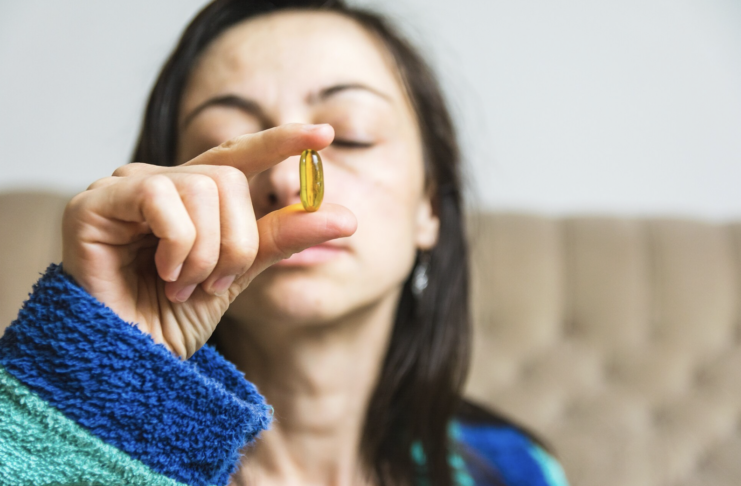
Brief midday sun exposure may outperform most supplements you’re already buying.
KEY STATISTICS
- Roughly 42% of American adults are vitamin D deficient, with rates climbing steeply after age 35, according to the NIH.
- Skin exposed to midday UVB rays can produce 10,000–25,000 IU of vitamin D in 15–30 minutes — far exceeding typical 1,000–2,000 IU supplement doses.
- A 2014 study published in The Lancet Diabetes & Endocrinology found that sunlight-derived vitamin D is associated with broader physiological benefits beyond what oral supplementation replicates.
You’ve been buying vitamin D supplements off the shelf, taking them dutifully every morning, and assuming your levels are covered. But emerging research suggests the sun — available, free, and remarkably efficient — produces a form of vitamin D your body uses very differently than the pill version. If you’re in your 40s and still relying solely on supplements, you may be missing most of the benefit.
What Sunlight Actually Does
When ultraviolet B rays from the sun hit your skin, a cholesterol compound called 7-dehydrocholesterol converts into previtamin D3, which is then processed by the liver and kidneys into calcitriol — the biologically active hormone form your body actually uses.
This sun-triggered process is self-regulating. Your skin automatically stops overproducing vitamin D once sufficient levels are reached, a safety mechanism that oral supplements cannot replicate.
Sunlight also triggers the release of nitric oxide in the skin, which lowers blood pressure and supports cardiovascular function independently of vitamin D levels. That means sun exposure offers a package of benefits that no capsule can fully duplicate.
Oral vitamin D3 supplements do raise serum 25-hydroxyvitamin D levels, and they are genuinely useful in populations with very limited sun access. However, research indicates that some of the broader health associations linked to vitamin D — including reduced cancer risk and improved immune regulation — appear stronger in studies measuring sun exposure than in clinical trials of supplementation alone.
Why Your 40s Matter
By your early 40s, your skin’s ability to synthesize vitamin D from sunlight has already declined by roughly 25% compared to your 20s, according to research from the NIH. This means you need slightly more sun exposure to generate the same output — not less, as many assume.
Adults in this age group also tend to spend the majority of daylight hours indoors, commuting, or wearing SPF-heavy sunscreen that blocks UVB rays almost entirely. The combined effect is a vitamin D production system that is both less efficient and less frequently activated.
Hormonal shifts in your 40s further complicate absorption. Declining estrogen and testosterone affect how efficiently vitamin D is transported and used at the cellular level, making the quality of the source — sun versus pill — increasingly relevant.
Signs You May Be Deficient
- Persistent fatigue that does not resolve with adequate sleep and is not explained by another condition
- Frequent low-grade infections or a prolonged recovery time from colds and respiratory illness
- Unexplained muscle aches, bone tenderness, or joint discomfort that worsens in winter months
- Low mood, irritability, or depressive symptoms that follow a seasonal pattern and intensify in low-light months
- A blood test showing serum 25-hydroxyvitamin D levels below 30 ng/mL, the threshold most clinicians consider insufficient
How To Use Sun Smarter
The most efficient window for vitamin D synthesis is between 10am and 2pm, when UVB rays are strong enough to trigger skin conversion. A fair-skinned adult needs roughly 10–15 minutes of direct sun on the arms and legs; darker skin tones require 20–40 minutes due to melanin’s natural filtering effect.
You do not need to tan or burn to produce meaningful vitamin D. Short, consistent exposures several times per week are far more effective than occasional long sessions, and they carry significantly lower skin cancer risk.
If you live above the 37th parallel — roughly north of Los Angeles or Rome — UVB rays are too weak between November and March to stimulate meaningful production. During those months, a D3 supplement of 1,000–2,000 IU daily is a reasonable and evidence-supported bridge.
Diet contributes modestly to vitamin D status. Fatty fish like salmon and mackerel, egg yolks, and UV-exposed mushrooms provide small but real amounts. These food sources work best as a complement to sun exposure, not a replacement.
Your Sun-First Action Plan
- Step outside between 10am and 2pm at least 3–4 times per week and expose your forearms and lower legs for 10–20 minutes without sunscreen during that window
- Ask your GP for a 25-hydroxyvitamin D blood test to establish your actual baseline — do not guess or supplement blindly
- If your levels are below 30 ng/mL or you live in a northern climate during winter, take a daily D3 supplement of 1,000–2,000 IU with a meal containing healthy fat for optimal absorption
- Add at least one dietary source of vitamin D to your weekly meals — wild salmon, sardines, or UV-treated mushrooms are practical and nutrient-dense options
- Track your sun exposure for two weeks using a simple habit log to identify how consistently you are actually getting midday light, rather than assuming you are
The Magnesium Connection
One factor almost no one talks about is magnesium. Vitamin D — whether from sun or supplements — cannot be converted into its active form without adequate magnesium, yet an estimated 48% of Americans consume below the recommended daily intake of this mineral.
If your magnesium levels are low, supplementing with even high-dose vitamin D may produce disappointing results on paper and in practice. Foods rich in magnesium include dark leafy greens, pumpkin seeds, black beans, and dark chocolate.
Considering magnesium alongside your vitamin D strategy is a small, low-cost adjustment that can significantly change how well your body actually uses whatever D it receives — from sun or from a bottle.
Bottom Line
Strategic, brief sun exposure during midday hours is one of the most effective and underused tools available to adults in their 40s for maintaining healthy vitamin D status and broader physiological function. Supplements have a clear role, especially in winter and for those with confirmed deficiency, but they work best as a backup — not a primary source. Get your levels tested, get outside intentionally, and treat the sun as the first-line intervention it actually is.
Always consult a qualified healthcare provider before making changes to your health routine.
Sources
- Sunlight and Vitamin D: Necessary for Public Health — Journal of the American College of Nutrition
- Vitamin D and Human Health: Lessons from Vitamin D Receptor Null Mice — Endocrine Reviews
- Sunlight Has Cardiovascular Benefits Independently of Vitamin D — The Lancet Diabetes & Endocrinology
- Magnesium Status and Supplementation Influence Vitamin D Status and Metabolism — The American Journal of Clinical Nutrition
- Prevalence and Correlates of Vitamin D Deficiency in US Adults — Nutrition Research, NIH-supported study

