
Introduction
As spring transitions into summer, sunlight intensity gradually increases. Many people spend more time outdoors during this period, which means skin exposure to ultraviolet (UV) radiation also rises. Preparing for sun protection before the peak summer months can help reduce the risk of sun damage and support long‑term skin health.
Sun exposure plays a role in vitamin D production and mood regulation, but excessive UV exposure may contribute to premature skin aging, uneven pigmentation, and increased skin cancer risk. Adopting consistent sun protection habits early in the season helps protect the skin barrier and maintain overall skin comfort.
Understanding UV Exposure
Sunlight contains two primary types of ultraviolet radiation that affect the skin:
UVA rays – penetrate deeper into the skin and contribute to premature aging and collagen breakdown.
UVB rays – affect the outer layers of skin and are responsible for sunburn.
According to the entity[“organization”,”Centers for Disease Control and Prevention”,”us public health agency”], both UVA and UVB exposure can damage skin cellsCenters for Disease Control and Preventionduring peak summer months. However, UV radiation increases gradually during spring and can still affect skin health.
Consistent sun protection may help:
Reduce premature skin aging
Protect collagen and skin elasticity
Prevent uneven skin tone
Lower the risk of sunburn
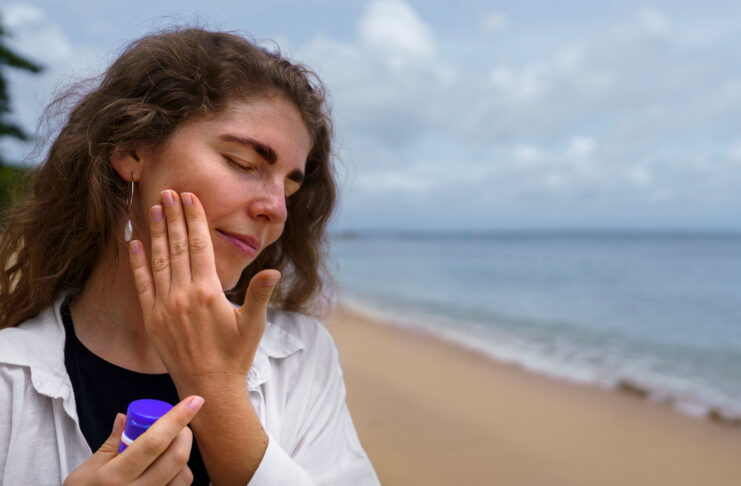
The entity[“organization”,”American Academy of Dermatology”,”us dermatology professional organization”] recommends daily sun protection even on clAmerican Academy of Dermatology. Dermatology experts often recommend a broad‑spectrum sunscreen that protects against both UVA and UVB rays.
Helpful sunscreen practices include:
Using SPF 30 or higher
Applying sunscreen 15–30 minutes before sun exposure
Reapplying every two hours when outdoors
Applying to commonly missed areas like ears and neck
Consistent use is more important than occasional application.
Protective Clothing and Accessories
Clothing can also provide effective sun protection.
Helpful strategies include:
Wearing wide‑brimmed hats
Using UV‑blocking sunglasses
Choosing lightweight long‑sleeved clothing
Seeking shade during peak sunlight hours
Physical barriers help reduce direct UV exposure.
Supporting Skin Health Internally
Nutrition and hydration can also influence how skin responds to sun exposure.
Helpful habits include:
Drinking adequate water
Eating antioxidant‑rich foods such as berries and leafy greens
Consuming foods rich in vitamin C and healthy fats
Maintaining balanced sleep routines
These habits support the skin’s natural protective functions.
Gradual Sun Adaptation
Allowing the skin to adapt gradually to increased sunlight may reduce the likelihood of sudden sunburn.
Helpful approaches include:
Increasing outdoor exposure slowly
Avoiding long periods of midday sun
Using sun protection during extended outdoor activities
Gradual exposure helps the skin adjust to seasonal changes.

