
Introduction
Collagen is a key protein that helps maintain the skin’s firmness, elasticity, and structure. As we age, collagen production gradually declines, which can lead to fine lines, sagging, and reduced skin resilience.
While this process is natural, certain lifestyle habits and nutrients can help support collagen production and maintain healthier skin over time.
What Is Collagen and Why It Matters
Collagen is the most abundant protein in the body and is found in the skin, bones, and connective tissues. It acts like a framework that keeps the skin firm and smooth.
According to the National Institutes of Health, collagen plays an essential role in maintaining skin structure and overall tissue health.
As collagen levels decline, the skin may become:
Less firm
More prone to wrinkles
Thinner and less elastic
Eat Nutrient‑Rich Foods
Nutrition plays a major role in supporting collagen production.
Key nutrients include:
Vitamin C – essential for collagen synthesis
Protein – provides amino acids needed to build collagen
Zinc and copper – support tissue repair
Antioxidants – protect collagen from damage
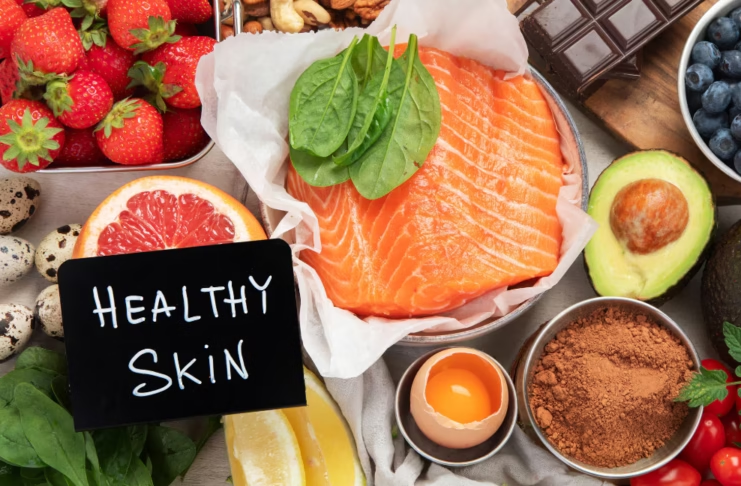
Foods that support collagen include:
Citrus fruits, berries, and bell peppers
Eggs, fish, and legumes
Nuts and seeds
Leafy green vegetables
The Harvard Health Publishing highlights the importance of balanced nutrition for skin health.
Protect Skin from Sun Damage
Excessive sun exposure is one of the biggest factors that breaks down collagen in the skin.
The Centers for Disease Control and Prevention recommends daily sun protection to reduce UV‑related skin damage.
Helpful habits include:
Using broad‑spectrum sunscreen (SPF 30+)
Wearing protective clothing
Avoiding prolonged sun exposure
Protecting the skin helps preserve existing collagen.
Stay Hydrated
Hydration supports skin structure and elasticity. While water does not directly create collagen, it helps maintain the environment needed for healthy skin function.
Simple habits:
Drink water regularly
Eat water‑rich foods like fruits and vegetables
Well‑hydrated skin tends to appear smoother and more resilient.
Prioritize Sleep and Recovery
During sleep, the body repairs and regenerates tissues, including the skin.
The Sleep Foundation notes that quality sleep supports overall recovery and cellular repair processes.
Consistent sleep may help:
Support skin renewal
Maintain hormone balance
Improve overall skin appearance
Manage Stress Levels
Chronic stress can increase cortisol, which may affect skin health and accelerate collagen breakdown.
The National Institute of Mental Health explains that long‑term stress impacts overall physical health.
Helpful stress‑management habits include:
Meditation or deep breathing
Regular physical activity
Spending time outdoors
Engaging in relaxing activities
Takeaway
Collagen naturally declines with age, but healthy habits can help support its production and protect existing levels. A nutrient‑rich diet, sun protection, proper hydration, quality sleep, and stress management all play important roles in maintaining skin firmness and resilience.
By focusing on consistent, supportive habits, it is possible to promote healthier, stronger skin over time.

