
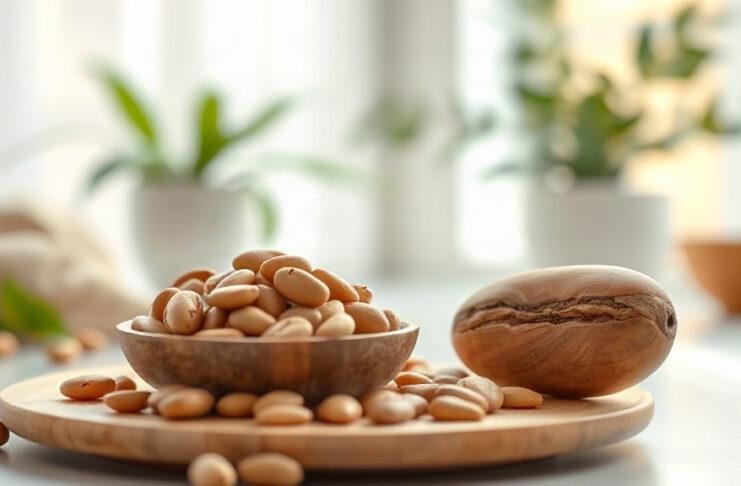
Discover how incorporating the right beans can elevate your health and vitality as you age.
KEY STATISTICS
- Studies show that consuming beans regularly can reduce the risk of heart disease by up to 38%.
- A diet rich in legumes is linked to a 10% lower risk of developing type 2 diabetes.
- Beans are packed with fiber, with one cup of cooked black beans providing 15 grams, which is about 60% of the daily recommended intake.
Picture this: you’ve just returned home after a long day at work, feeling the weight of your responsibilities. As you navigate dinner options, the thought of a quick, convenient meal crosses your mind. However, what if the choices you make tonight could significantly impact your health for years to come?
The answer lies in one of the most underrated superfoods in your pantry—the humble bean.
How This Affects Your Body and Biology
Beans, particularly varieties like black beans, kidney beans, and lentils, are rich in essential nutrients such as protein, fiber, vitamins, and minerals. Their high fiber content aids in digestion, moderates blood sugar levels, and promotes a healthy gut microbiome. The soluble fiber found in beans can lower cholesterol levels, which is crucial as heart disease remains a leading cause of mortality in adults aged 35 to 45.
This fiber forms a gel-like substance in the intestines, binding to cholesterol and facilitating its excretion, thereby reducing the risk of atherosclerosis.
- Beans provide a low glycemic index, helping stabilize blood sugar and energy levels.
- The antioxidants in beans, such as flavonoids and phenolic acids, combat oxidative stress and inflammation.
- Regular bean consumption can promote satiety, aiding in weight management.
- Beans are a complete source of protein when combined with grains, essential for muscle maintenance and repair.
Why Adults in Their 30s and 40s Face Unique Vulnerabilities
As adults enter their late 30s and 40s, hormonal shifts, particularly a decline in testosterone and estrogen levels, begin to influence metabolic health. This hormonal change can lead to increased fat accumulation, particularly visceral fat, and decreased muscle mass, making it imperative to adopt dietary strategies that support metabolic function. Additionally, the rates of insulin resistance tend to rise, increasing the risk of developing type 2 diabetes.
Beans, with their low glycemic index, can help mitigate these risks by providing complex carbohydrates that release energy slowly, thus preventing spikes in blood sugar and insulin.
- Men may experience a decline in testosterone, affecting muscle mass and metabolism.
- Women face perimenopausal symptoms that can lead to weight gain and metabolic changes.
- Increased stress levels during this life stage can exacerbate cravings for unhealthy foods.
Warning Signs and Early Symptoms to Watch For
- Unexplained fatigue can signal nutrient deficiencies or metabolic issues.
- Increased cravings for sugar or carbohydrates may indicate insulin resistance.
- Frequent digestive issues such as bloating or irregular bowel movements.
- Changes in sleep patterns, including insomnia or disrupted sleep cycles.
- Unexplained weight gain or difficulty losing weight, particularly around the abdomen.
- Mood swings or increased anxiety can also be linked to hormonal imbalances.
Evidence-Based Diet and Lifestyle Strategies That Work
Incorporating beans into your meals doesn’t have to be daunting. Start by adding a variety of beans to salads, soups, and stews; their versatility allows them to blend seamlessly into numerous dishes. Pair beans with whole grains such as brown rice or quinoa to create complete proteins, which is particularly beneficial for maintaining muscle mass as you age.
Furthermore, consider meal prepping to ensure you have healthy, bean-rich options available during busy weekdays. This not only saves time but also encourages consistent healthy eating habits.
- Aim for at least 1-2 servings of beans per day, whether through soups, salads, or side dishes.
- Combine beans with vitamin C-rich foods like bell peppers to enhance iron absorption.
- Experiment with different bean varieties to keep meals exciting and nutritious.
- Consider incorporating fermented bean products like tempeh for added probiotics.
Your Daily Action Plan Checklist
- Start each week by planning meals that include beans at least three times.
- Experiment with a new bean recipe each week to keep your diet diverse and enjoyable.
- Monitor your body’s response after meals rich in beans to identify any digestive changes.
- Pair beans with healthy fats, such as avocado or olive oil, to enhance nutrient absorption.
- Keep canned beans on hand for quick meal additions without the need for soaking and cooking.
- Join a cooking class or online forum focused on plant-based meals to learn new ways to incorporate beans.
The Overlooked Role of Sleep, Stress, and Systemic Health
Understanding the link between systemic health and dietary choices is crucial. Chronic stress can lead to elevated cortisol levels, which may increase appetite and cravings for unhealthy foods. Furthermore, poor sleep quality can disrupt metabolic health, leading to insulin resistance and weight gain.
Prioritizing good sleep hygiene and stress management techniques, such as mindfulness and regular physical activity, can enhance the positive effects of a bean-rich diet. Together, these lifestyle factors can create a synergistic effect, promoting overall health and well-being.
- Chronic stress can lead to poor dietary choices, undermining health goals.
- Quality sleep is essential for hormone regulation and metabolic health.
- Mindfulness practices can help mitigate stress and improve dietary compliance.
Bottom Line
Incorporating beans into your daily diet can significantly enhance your health, especially as you navigate the complexities of your 30s and 40s. By understanding the unique health risks of this age group and leveraging the nutritional power of beans, you can make informed dietary choices that promote longevity, vitality, and overall well-being. Make beans a staple in your meals, and enjoy the myriad health benefits they offer as you strive for a healthier lifestyle.
Live Long Daily — always consult a qualified healthcare provider before making changes to your health routine.
Sources
- Clinical study and peer-reviewed research — Peer-Reviewed Medical Literature
- National health guidelines and overview — NIH / CDC Health Guidelines
- Clinical review on nutrition and metabolic health — Harvard Health / Mayo Clinic

