
Introduction
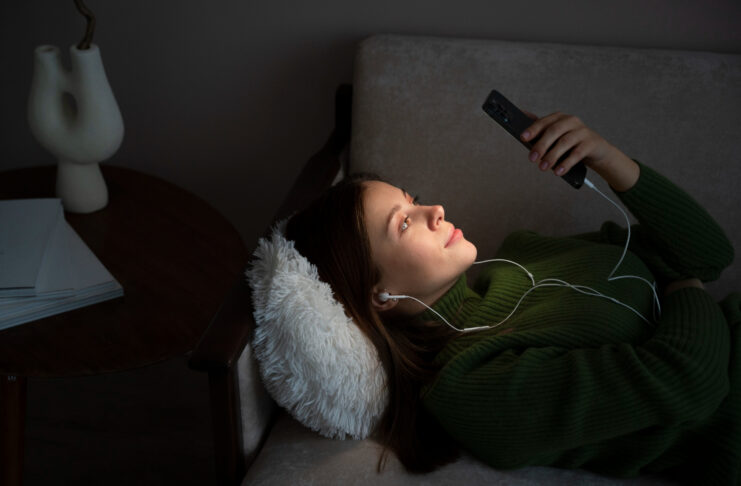
Most people struggle with poor sleep, restless nights, and an overactive mind, even after a physically tiring day. One of the biggest hidden reasons behind this problem is excessive screen exposure in the evening. Mobile phones, laptops, televisions, and tablets have become part of bedtime routines, but this habit silently disrupts sleep quality and mental peace.
An evening digital detox habit — reducing screen use before bedtime — can naturally calm the mind, improve sleep quality, reduce stress, and support overall mental well‑being. This habit does not require medication or lifestyle overhaul, just a small daily change with powerful long‑term benefits.
Why Evening Screen Use Harms Sleep
• Blue light affects sleep hormones
Screens emit blue light that suppresses melatonin, the hormone responsible for sleep.
• Screen content overstimulates the brain
Social media, news, and videos keep the mind alert instead of relaxed.
• Late screen use delays sleep onset
The brain struggles to switch into rest mode.
• Mental overload increases stress
Constant information intake increases anxiety and restlessness.
How Digital Detox Affects Your Body and Mind
• It improves melatonin production
Reduced light exposure helps the body prepare for sleep naturally.
• It calms the nervous system
Less stimulation lowers mental activity and stress levels.
• It improves sleep quality
You fall asleep faster and experience deeper sleep cycles.
• It reduces anxiety and overthinking
The mind gets time to slow down and reset.
• It supports better emotional balance
Proper rest improves mood and patience.
• It improves morning energy
Better sleep leads to refreshed mornings.
Natural Benefits You Will Notice
• Faster sleep onset
• Deeper and uninterrupted sleep
• Reduced nighttime anxiety
• Calmer thoughts before bed
• Improved mood during the day
• Better focus and productivity
• Reduced eye strain and headaches
Correct Way to Build an Evening Digital Detox Habit
• Set a fixed screen‑off time
Aim to stop screen use at least 60 minutes before sleep.
• Dim lights in the evening
Lower lighting signals the brain to relax.
• Replace screens with calming activities
Reading, journaling, light stretching, or meditation work well.
• Keep phones away from the bed
Distance reduces temptation and interruptions.
• Use night mode if needed
If screens are unavoidable, reduce brightness and blue light.
Best Activities to Replace Screens at Night
• Reading a physical book
• Writing a simple journal
• Listening to calming music
• Practicing deep breathing
• Light stretching or yoga
• Preparing for the next day
Common Mistakes to Avoid
• Stopping screens only at bedtime
Detox should start before you feel sleepy.
• Replacing phone with TV
All screens affect sleep similarly.
• Checking notifications repeatedly
This keeps the brain alert.
• Expecting instant results
Sleep improvement builds gradually.
Who Benefits the Most from This Habit
• People with sleep problems
• Individuals with anxiety or stress
• Those working on screens all day
• People with eye strain or headaches
• Anyone feeling mentally exhausted
Final Thoughts
You don’t need sleeping pills or drastic lifestyle changes to sleep better. A simple evening digital detox habit can naturally calm your mind, improve sleep quality, and restore mental balance. Reducing screen exposure before bed allows your brain to slow down and your body to enter rest mode smoothly. Start with just 30 minutes tonight and gradually build a healthier evening routine.
Trusted Medical Sources
• Mayo Clinic – Blue Light and Sleep

