
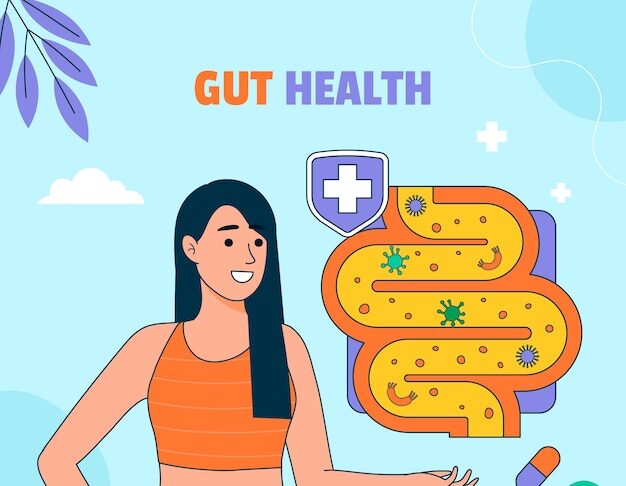
Understanding the Connection Between Gut Health and Overall Well-Being
Gut health plays a crucial role in maintaining our overall well-being, yet it often doesn’t get the attention it deserves. Our digestive system is more than just a collection of organs used for processing food. It houses a dynamic ecosystem of trillions of microorganisms that influence a range of bodily functions. A balanced gut microbiome contributes to various aspects of health, from digestion to mental wellness.
The Role of Gut Microbiome
Our gastrointestinal tract is inhabited by a vast number of bacteria, viruses, fungi, and other microorganisms that collectively form the gut microbiome. This community is as unique as a fingerprint and is influenced by numerous factors including diet, lifestyle, and genetics. Though the gut microbiome is complex, its primary role is to:
Aid in Digestion: It helps break down complex carbohydrates and fibers into simpler compounds that the body can absorb and use for energy.
Support Immune Function: A healthy gut microbiome trains the immune system to differentiate between harmful and harmless agents.
Produce Vitamins: Certain bacteria in the gut produce essential vitamins like B12 and K, which play a role in energy production and blood coagulation.
Signs of an Imbalanced Gut
An imbalance in the gut microbiome is often referred to as dysbiosis and can manifest in various ways. While some symptoms are digestive, others may affect seemingly unrelated areas, including mood and skin health. Common signs indicating that your gut health may need attention include:
Chronic digestive issues such as bloating, gas, or irregular bowel movements.
Frequent fatigue or sleep disturbances.
Unexplained weight changes, experiencing difficulties in weight management.
Persistent skin irritations, like eczema or rashes.
Mood fluctuations, including increased stress or feelings of anxiety.
Ways to Support a Healthy Gut
Supporting a healthy gut involves making mindful choices that encourage the growth of beneficial bacteria. Here are some lifestyle and dietary practices that can help promote optimal gut health:
Eat a Diverse Range of Foods: Consuming a broad spectrum of nutrients supports a healthy and versatile gut microbiome.
Include Fermented Foods: Foods like yogurt, kefir, sauerkraut, and kimchi are rich in probiotics that help replenish good bacteria.
Stay Hydrated: Drinking plenty of water aids in digestion and maintains a balanced gut environment.
Manage Stress: High stress levels can negatively impact gut health, so practices like yoga, meditation, or deep breathing can be beneficial.
Exercise Regularly: Physical activity increases microbial diversity and supports a healthy digestive process.
The Mind-Gut Connection
The gut-brain axis highlights the bidirectional communication between the gut and the brain. This means that not only does gut health affect mental well-being, but mental states can also influence gastrointestinal health. The gut produces neurotransmitters like serotonin, commonly known as the “feel-good” hormone, which impacts mood and behavior.
Understanding the mind-gut connection underscores the importance of holistic approaches to health that interweave physical, mental, and emotional well-being. Practices that support both stress management and gut health can encourage a more harmonious state of being.
Takeaway
Gut health is integral to our overall well-being. By fostering a balanced microbiome through conscious dietary choices and lifestyle habits, we can support numerous aspects of our health, from digestion to mood and beyond. While individual needs may vary, maintaining a diverse, nutrient-rich diet and leading an active, low-stress lifestyle are key steps toward a healthier gut and a more vibrant life.
Sources
To gain further insights into gut health and its impact on overall well-being, credible sources such as nutrition scientists and wellness experts provide valuable information. Always consult healthcare professionals before making significant lifestyle changes to ensure they are appropriate for your personal health needs.

