
Wednesday, March 18, 2026

Creating Valuable Content

The Overnight Hand Care Habit That Keeps Your Hands Soft, Young, and Wrinkle‑Free

Introduction

While most people focus heavily on facial skincare, hands are often ignored until they start looking dry, rough, or aged. Hands are one of the first body parts to show signs of aging because they are constantly exposed to sunlight, water, chemicals, and frequent washing. Dryness, fine lines, dark patches, and rough texture slowly appear when hands do not receive proper care. One simple overnight hand care habit can naturally keep your hands soft, smooth, and youthful without expensive treatments or salon visits.

Nighttime is the best moment for hand repair because skin heals and renews while you sleep. Proper overnight care allows moisture to penetrate deeply and repair daily damage.


Why Hands Age Faster Than Face

• Hands are exposed all day
Sunlight, pollution, soaps, and sanitizers strip natural oils from hand skin.

• Hand skin is thinner
Thin skin loses moisture faster and develops wrinkles earlier.

• Frequent washing removes natural oils
Repeated washing dries out hands and weakens the skin barrier.

• Hands receive less routine care
Most people moisturize face daily but forget hands.


How Overnight Hand Care Helps

• Deep hydration works better at night
Skin absorbs moisture more effectively during sleep.

• Repair process becomes stronger
Nighttime boosts skin cell renewal and healing.

• Moisture stays locked for hours
No washing allows creams and oils to work deeply.

• Wrinkles and dryness reduce gradually
Regular care improves texture and softness.


Natural Benefits You Will Notice

• Softer hands every morning
• Reduced dryness and cracking
• Smoother skin texture
• Less visible fine lines
• Brighter and healthier hand appearance
• Stronger nails and cuticles


Correct Way to Follow the Overnight Hand Care Habit

• Wash hands gently before sleeping
Use mild soap to remove dirt without drying skin.

• Apply a thick moisturizing cream
Choose a cream with glycerin, shea butter, or ceramides.

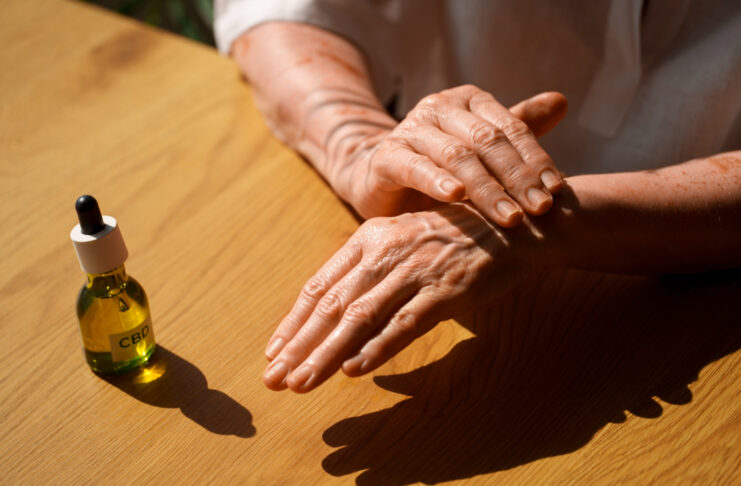
• Add a few drops of natural oil
Almond oil, coconut oil, or olive oil deeply nourish skin.

• Massage hands slowly
This improves blood circulation and absorption.

• Wear soft cotton gloves
Gloves lock moisture and prevent evaporation overnight.


Best Ingredients for Hand Care

• Glycerin for deep hydration
• Shea butter for softness
• Ceramides for skin barrier repair
• Natural oils for nourishment
• Vitamin E for skin protection


Common Mistakes to Avoid

• Skipping hand care regularly
Consistency is essential for results.

• Using harsh soaps at night
They dry out skin further.

• Applying very little product
Hands need generous moisture.

• Forgetting sunscreen during daytime
Sun damage reverses night care benefits.


Who Needs This Habit the Most

• People who wash hands frequently
• Those who use sanitizers often
• People with dry or sensitive skin
• Individuals exposed to sun regularly
• Anyone noticing early aging on hands


Final Thoughts

You don’t need expensive treatments to keep your hands looking young and soft. A simple overnight hand care habit can deeply hydrate skin, reduce wrinkles, prevent dryness, and restore smoothness naturally. When practiced regularly, this habit protects your hands from premature aging and keeps them healthy for years. Start tonight and let your hands repair themselves while you sleep.


Trusted Medical Sources

• American Academy of Dermatology – Hand Care Tips

• Mayo Clinic – Dry Skin Care

• Cleveland Clinic – Skin Moisturizing Guide

Share Post

Related Articles

The Science Behind Optimal Hydration for Longevity

Introduction: The Elixir of LifeWater, often hailed as the elixir of life, is a fundamental pillar of health and vitality. While its significance in...

Spring Fitness Without Burnout

Introduction Spring often brings renewed motivation to get active. Longer days and better weather make it easier to exercise outdoors and build healthier habits. However, jumping into intense routines too quickly can lead to fatigue, soreness, or burnout. A balanced approach to fitness helps you stay consistent, energized, and injury‑free.Start Gradually After a less active winter, the body needs time to adjust. Increasing intensity too quickly can strain muscles and reduce motivation. According to the Centers for Disease Control and Prevention, gradual progression helps improve fitness safely and sustainably. Helpful tips: Begin with light to moderate workouts Increase intensity slowly over time Allow rest days between sessionsConsistency matters more than intensity.Mix Different Types of Exercise A balanced routine prevents overuse injuries and keeps workouts interesting. Include a mix of: Cardio (walking, cycling, jogging) Strength training (bodyweight or weights) Flexibility (stretching or yoga)This combination supports overall fitness and reduces burnout.Listen to Your Body Pushing through constant fatigue can lead to burnout or injury. Paying attention to how your body feels is essential. Signs you may need rest: Persistent soreness Low energy or motivation Poor sleep qualityThe National Institutes of Health highlights the importance of recovery in maintaining long‑term physical health. Rest and recovery are part of progress.Prioritize Recovery Recovery helps muscles repair and energy levels restore. Helpful recovery habits include: Getting enough sleep Staying hydrated Eating balanced meals with protein Including rest or low‑intensity daysRecovery supports performance and prevents burnout.https://youtu.be/oIGSf9IxLd4 Stay Hydrated and Nourished Proper hydration and nutrition are essential for maintaining energy during exercise. Focus on: Drinking water throughout the day Eating balanced meals with protein, carbs, and healthy fats...

Metabolism After 50 Explained

Introduction As people move into their 50s, many notice changes in weight, energy levels, and how their body responds to food and exercise. These changes are often linked to metabolism, the process by which the body converts food into energy. While metabolism naturally slows with age, understanding why this happens can help you take simple steps to support energy, strength, and overall health.What Is Metabolism? Metabolism refers to all the chemical processes that keep the body functioning, including: Converting food into energy Supporting breathing and circulation Repairing cells Regulating body temperatureAccording to the National Institutes of Health, metabolism is influenced by age, body composition, activity level, and genetics.Why Metabolism Slows After 50 Several natural changes contribute to a slower metabolism with age.Loss of Muscle Mass Muscle tissue burns more calories than fat, even at rest. After age 50, muscle mass tends to decline, which can reduce calorie burning.Hormonal Changes Hormones such as estrogen and testosterone play a role in metabolism. As these levels decline, the body may store fat more easily and burn energy more slowly.Reduced Physical Activity Lifestyle changes may lead to less daily movement, which can further slow metabolic rate.Changes in Energy and Weight A slower metabolism may lead to: Reduced energy levels Gradual weight gain Increased fat storage, especially around the abdomen Slower recovery after physical activityThe National Institute on Aging notes that these changes are a normal part of aging but can be managed with healthy habits.Supporting Metabolism After 50 Although metabolism naturally slows, certain habits can help support it.Stay Physically Active Regular movement helps maintain muscle mass and improve energy use. Helpful activities include: Strength training Walking or light cardio Stretching or yogaThe Centers for Disease Control and Prevention recommends consistent physical activity for metabolic and overall health.https://youtu.be/TSxafx_j59k Eat Balanced Meals Nutrition plays a key role in metabolic health. Focus on: Protein to support muscle maintenance...